Only 30pc of oil, gas areas explored
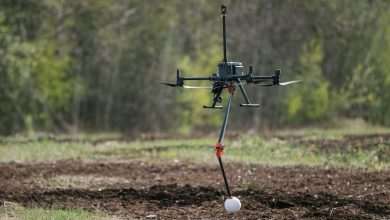
DODOMA: TANZANIA has explored only 30 per cent of its identified oil and gas prospective areas, leaving more than 370,000 square kilometres yet to be assessed for possible petroleum discoveries.
The Petroleum Upstream Regulatory Authority (PURA) said yesterday that about 534,000 square kilometres had been identified as having potential for oil and gas, but preliminary exploration had so far covered only around 162,000 square kilometres.
PURA Director General, Mr Charles Sangweni, disclosed this while speaking to journalists at the just-ended Nanenane Agricultural Exhibition in Dodoma.
He said Tanzania had been conducting petroleum exploration since the early 1950s and that the identified prospective areas were largely covered by sedimentary rocks that can contain oil and gas deposits.
“Scientifically and geologically, areas where oil and gas can be found are mainly sedimentary rocks. These are rocks that are relatively soft and contain pores, almost like a sponge, which can hold oil or gas,” Mr Sangweni said.
ALSO READ: TPA hailed for Tanga Port’s efficiency as its cargo volume soars after major upgrades
He said Tanzania had not yet discovered commercial crude oil, but exploration activities were continuing in different parts of the country.
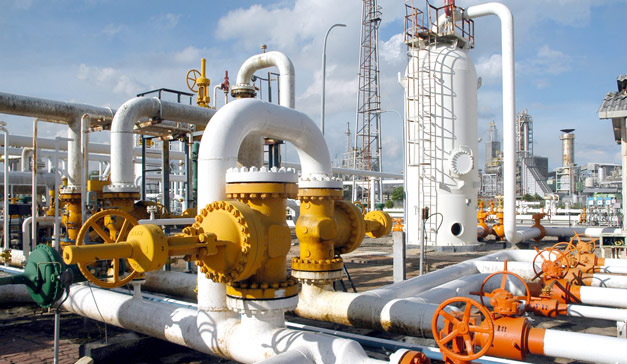
The country has, however, made significant natural gas discoveries, with total reserves estimated at 57.54 trillion cubic feet (tcf).
According to Mr Sangweni, natural gas production is currently taking place at Mnazi Bay and Songo Songo, while production from the Ntorya gas field in Mtwara is expected to add to the country’s output.
“Currently, Tanzania has not succeeded in discovering oil, but exploration is continuing. We have natural gas discovered in various areas, with total reserves of about 57.54 trillion cubic feet,” he said.
Mr Sangweni said the large unexplored prospective area provided considerable opportunities for future petroleum discoveries, especially as advances in exploration technology continued to improve the ability to identify potential deposits.
He said PURA was working to ensure that continued exploration translated into greater economic benefits for the country and contributed to the goals of Dira 2050 (Development Vision 2050).
Beyond exploration, he said the government was pursuing major projects aimed at increasing the value of natural gas, including the Liquefied Natural Gas (LNG) project in Lindi Region, which is intended to process gas for export to international markets.
Mr Sangweni said development of the petroleum industry would require a strong pool of skilled personnel capable of participating in exploration, production and other activities along the industry’s value chain.
He said the government had strengthened oil and gas training in higher learning institutions, with institutions such as the Dar es Salaam Institute of Technology (DIT) and the University of Dodoma (UDOM) offering programmes related to petroleum, oil and gas.
He added that vocational training institutions, including the Vocational Education and Training Authority (VETA), were also being involved in preparing Tanzanians for technical jobs in the industry.
“VETA and other vocational training institutions are important in preparing skilled workers who can participate in the petroleum industry,” he said.
Mr Sangweni said PURA was also ensuring that communities in areas where petroleum activities were taking place benefited from employment opportunities.
He cited Mnazi Bay in Mtwara, where Tanzanians from neighbouring villages and the region were being employed in jobs that did not require advanced professional qualifications.
He said the approach was intended to ensure that petroleum exploration and production generated wider economic benefits, created employment and strengthened local capacity.
Mr Sangweni said continued exploration of the remaining prospective areas, together with investment in gas processing and local skills development, would be key to increasing the contribution of the petroleum sector to the economy.