No room for polio: Government mobilises to protect young lives

DAR ES SALAAM: IN many communities, the cry of a healthy child is more than just a sign of life, it is a reflection of protection, care and a secure future secured.
At the centre of that protection lies one of the most effective public health interventions, vaccination against polio.
Medical experts describe polio as a highly infectious viral disease that mainly targets young children.
In its most severe form, doctors say it can cause irreversible paralysis, leaving families to grapple with life long consequences that could have been prevented through a simple vaccine.
Beyond the immediate health benefits, vaccination carries a significant economic impact for families and for many low-income households, the cost of treating a seriously ill child can be overwhelming.
Hospital visits, medication and longterm care quickly drain already limited resources, vaccines, however, offer a far more sustainable alternative preventing disease before it strikes and easing the financial burden on families.
Health professionals further note that a child who is protected from preventable diseases stands a better chance of developing fully, both physically and mentally.
Good health in early childhood lays the foundation for cognitive growth, emotional stability and overall wellbeing factors that shape a child’s future.
Medical experts say early vaccination also shields children from disabilities that can restrict movement, independence and participation in everyday life.
A child free from such limitations is more likely to explore, learn and interact with the world without barriers.
Vaccinated children are more likely to attend school consistently, engage confidently with their peers and avoid the stigma or exclusion that can sometimes accompany visible illness or disability.
In essence, polio vaccination is not just a medical intervention, it is an investment in a child’s dignity, potential and place in society.
Doctors said children living with polio-related disabilities may face discrimination, reduced self-esteem and social isolation.
However, preventing the disease through vaccination therefore supports inclusion, confidence and equal participation in community life.
It enables children to grow up with dignity and without barriers imposed by preventable illness, however vaccination also contributes to healthy physical development.
A child free from polio can achieve normal motor development milestones such as crawling, walking and playing.
These activities are essential not only for physical health but also for cognitive and emotional development.
When children are physically active, they build stronger bodies, improve coordination and develop problem-solving and social skills through interaction with others.
When a high percentage of children are immunised, the spread of the virus is interrupted, reducing the risk of outbreaks.
This collective protection ensures safer environments where children can grow and thrive without the constant threat of disease.
It safeguards children’s health, promotes inclusion, supports normal development and contributes to stronger, healthier communities.
As a result, the government has allocated 6bn/- to fund a polio vaccination campaign targeting over 6.7 million children in seven regions within the Lake Zone.
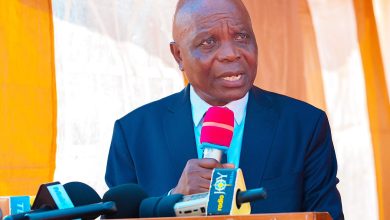
The announcement was made recently in Kisesa Ward, Magu District, by Geita Regional Commissioner, Mr Martin Shigela during the official national launch of the polio vaccination campaign for the Lake Zone regions.
Mr Shigela said the initiative was aimed to strengthen immunity among children against polio, which is mainly transmitted through poor hygiene, particularly contact with human waste, and stressed that vaccination is essential for protecting children under the age of 10.
The campaign, which began on 24th March will run until 27th March this year, covering Mwanza, Shinyanga, Geita, Simiyu, Mara, Singida and Tabora regions.
Mr Shigela said the exercise was intended to boost children’s immunity following reports of polio cases in neighbouring countries.
He urged parents and guardians to ensure their children are vaccinated, emphasising that the vaccine is safe and has no adverse health effects.
In the first phase, he said Mwanza Region is expected to vaccinate more than 1.2 million children, where the second round is scheduled between 7th May to 10th May this year.
Mr Shigela also called on the public to ignore misinformation and cultural myths surrounding the vaccine, insisting that it does not affect children’s growth.
“Let us not allow misinformation. This vaccine has been verified by experts and is safe,” he said.
He added that Tanzania has made significant progress in controlling polio, with the last reported case recorded in 1996.
Chief Medical Officer from the Ministry of Health Dr Grace Magembe said the government has deployed 14,000 teams nationwide to administer the vaccine.
She noted that vaccination services will be available at health centres, dispensaries and district hospitals, as well as in public gathering places such as markets, mosques and churches.
Despite the progress made, Dr Magembe warned that the risk of polio remains due to its presence in other parts of the world, making early vaccination critical.
ALSO READ: Govt allocates 6bn/- for polio vaccination campaign
She emphasised that the vaccine is not new, but has long been routinely administered in health facilities across the country.
“Women are witnesses that newborns are given oral drops before being discharged from hospital,” she said.
Dr Magembe added that polio can spread rapidly among children, underscoring the need to vaccinate as many as possible to prevent outbreaks.
Dr Florence Tinuga from the Prime Minister’s Office said the campaign presents an important opportunity for highrisk regions to protect children under 10.
She urged health workers to ensure all targeted children are reached, stressed that polio has no cure and that vaccination remains the only effective prevention.
Mwanza Regional Administrative Secretary Mr Balandya Elikana said Magu District alone is targeting more than 140,000 children during the campaign.
People’s views A resident of Serengeti District, Mr Matiko Chacha, has commended the government for providing vaccinations to infants and school children.
However, he emphasised the need for increased awareness campaigns in rural areas, where some residents remain sceptical about vaccines, particularly those given to school girls.
Mwanza City resident, Mr Paulo John, praised the government for its efforts to deliver vaccination services in urban areas for children and recommended that such services also be extended to island communities.
“On the islands, there are many people with children, and some of these areas do not receive vaccination services due to their geographical location,” he said.
Mr Paulo added that vaccinating infants isa crucial step in safeguarding their health, especially in rural areas where healthcare services are often distant or limited.
“When vaccines are provided in rural areas, they help prevent dangerous diseases such as measles, polio, tuberculosis and tetanus, which can lead to disability or death, as health experts explain,” he elaborated.