

Ngorongoro introduces South Africa’s white rhinos

ARUSHA: THE Ngorongoro Conservation Area Authority (NCAA) has introduced South Africa’s white rhinos to the Ngorongoro Crater, marking the first ever such initiative in Tanzania’s history.
The project aims to protect the rhinos’ natural habitat, provide research opportunities for scientists and students and promote conservation activities.
This was announced on Tuesday by the Minister for Natural Resources and Tourism, Ambassador Pindi Chana, during the handover ceremony of the white rhinos from South Africa at NCAA.
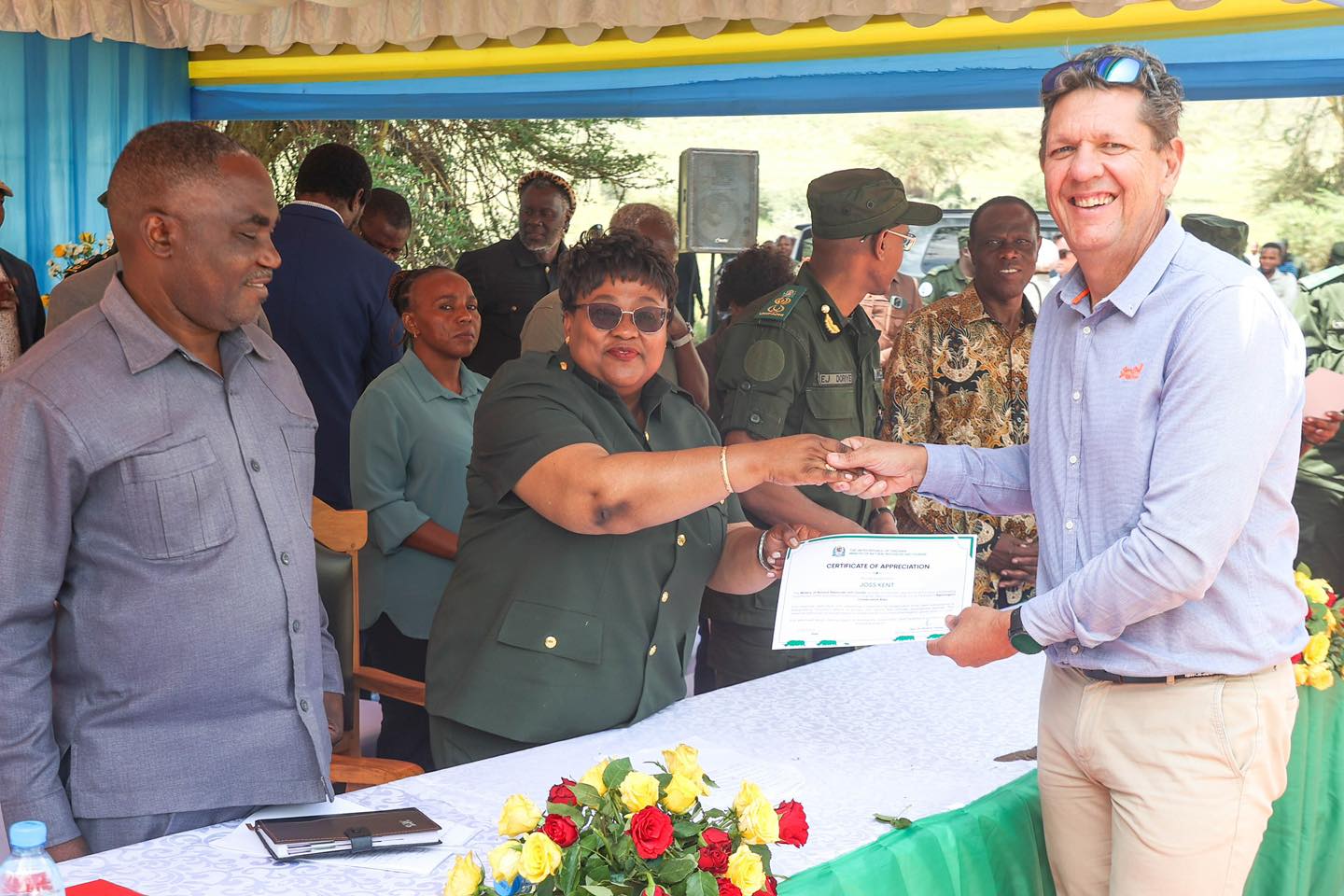
“This South White Rhinos introduction project into the NCAA is part of the government’s ongoing efforts, in collaboration with various tourism stakeholders, to strengthen conservation initiatives in the country,” said Amb Chana.
She explained that the project was made possible through an agreement between the Ministry of Natural Resources and Tourism and And Beyond, a South African company.
According to this agreement, And Beyond is responsible for facilitating the acquisition and transportation of the 17 white rhinos to the Ngorongoro Conservation Area.
“We have received 17 white rhinos from South Africa as part of the first phase of the project, and we expect to receive another 19 in the second phase, bringing the total to 36 rhinos,” Dr Chana said.
She also revealed that, once all 36 white rhinos have been successfully introduced, the government plans to distribute them to other protected areas across the country.
“The goal of this project is to protect white rhinos from extinction globally. Through research and collaboration with conservation experts, we have confirmed that southern white rhinos can thrive well in the Ngorongoro Crater,” she added.
Dr Chana pointed out that other countries, such as the Democratic Republic of Congo (DRC), Kenya and Rwanda, have also made efforts to protect and preserve white rhinos, similar to what Tanzania is doing.
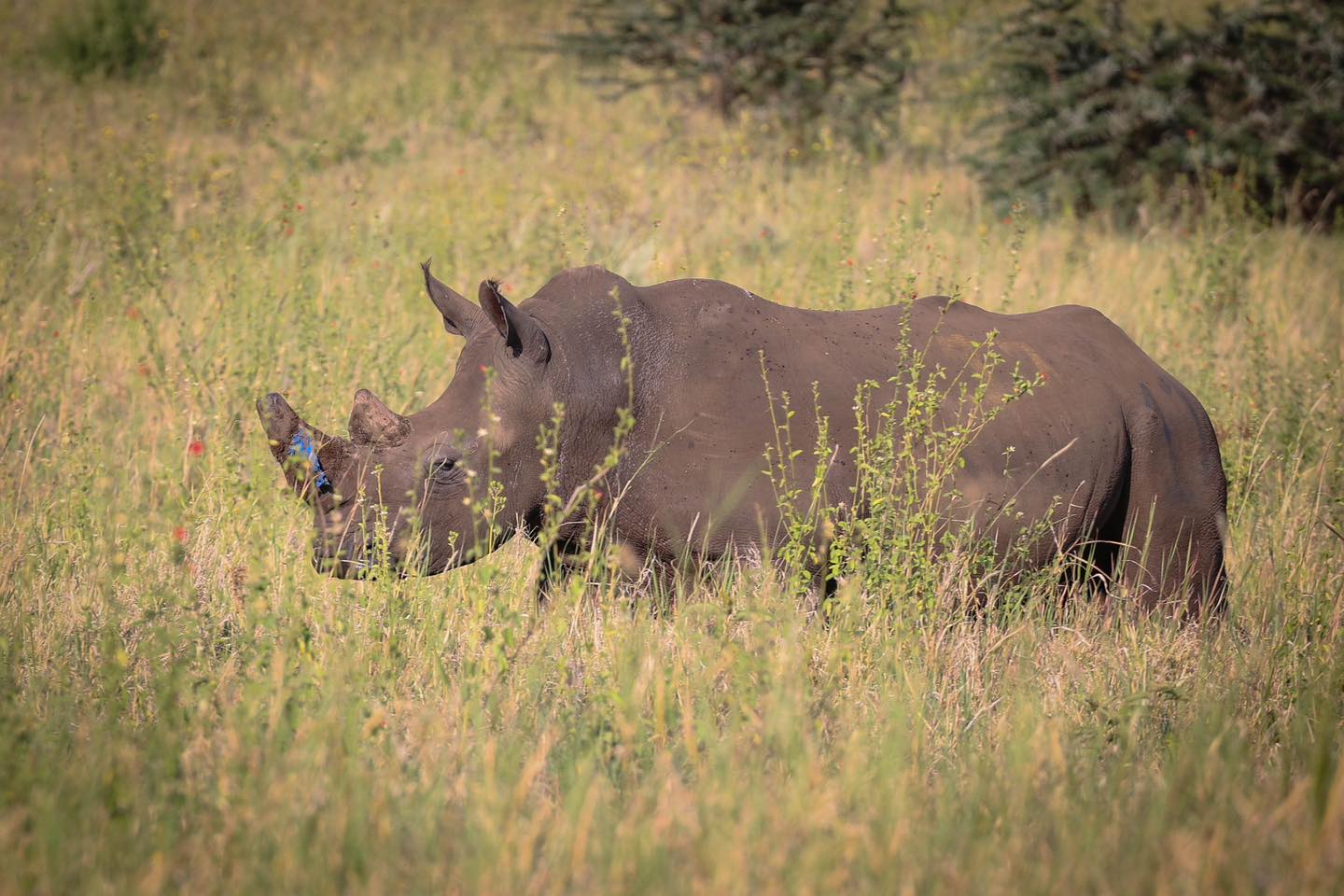
On his part, the NCAA Conservation Commissioner, Dr Elirehema Doriye, stressed the NCAA’s commitment to ensuring the safety and protection of the rhinos in their new habitat.
“Our priority is to ensure the safety of these rhinos in their new environment. In collaboration with security agencies and conservation partners, we have implemented comprehensive anti-poaching measures, which include the use of modern surveillance technology, such as drones, GPS tracking and specialised ranger units working around the clock to protect them,” Dr Doriye explained.
ALSO READ: 800 women to visit Ngorongoro Women’s Day
He also noted that the introduction of the white rhinos would enhance biodiversity by expanding the range of wildlife protected in their natural habitat, while also providing valuable research opportunities for scientists and students.
“This initiative will also promote conservation activities in the region, benefiting both wildlife and the local community,” Dr Doriye added.




399077 793938Thanks for the write up! Also, just a heads up, your RSS feeds arent working. Could you take a look at that? 977284