

New zeal for startups
- Comprehensive policy in offing
- Govt explores ways to ease business financing
DAR ES SALAAM: THE government has pledged to create a favourable environment for startups to thrive, generate employment and contribute to the country’s economic growth.
As part of the initiative, it has given the Ministry of Industry and Trade six months to develop a comprehensive policy to guide the sector’s development and address challenges facing innovative businesses.
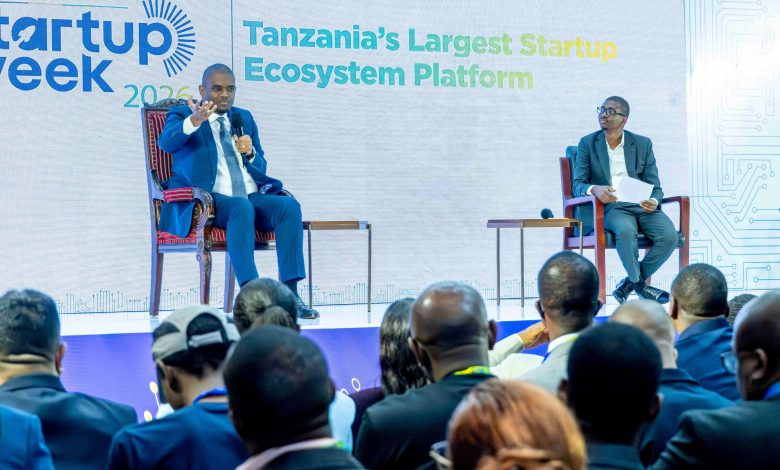
Vice-President Deogratius Ndejembi issued the directive in Dar es Salaam yesterday when opening Startups Week 2026, stressing that startups are increasingly important to economic growth and job creation.
“The government considers startups an important and rapidly growing area, and we have a responsibility to stay ahead of the times by creating a favourable environment for them to grow and employ more people,” the VicePresident said.
Mr Ndejembi said the policy should distinguish startups from small and medium-sized enterprises (SMEs), explaining that startups have the potential for rapid growth and expansion into wider markets. He said the Ministry of Industry and Trade should coordinate the process because startups operate across different sectors, including agriculture, health, energy and technology, and therefore require support from several government institutions.
“Technology is a tool for making things easier in a startup. There are startups focusing on agriculture, health, energy and virtually every sector,” he said, adding that placing coordination under the ministry would help bring together the relevant institutions.
The Vice-President said a comprehensive policy will also provide direction for financial institutions, venture capital providers and investors interested in supporting innovative businesses in the country.
He identified access to capital as one of the major challenges facing startups, noting that financial institutions often consider them risky because many lack established business records and adequate collateral.
He said not every startup needs a conventional loan, as some require initial funding to develop their ideas, expand operations or attract strategic investors.
Mr Ndejembi said the government was exploring ways to reduce lending risks and improve access to financing, including discussions with the United Nations Capital Development Fund (UNCDF) on mechanisms to support young entrepreneurs and startups.
He commended financial institutions that have begun supporting the sector but said more needs to be done to ensure innovative businesses access the capital required to grow.
He said the government has allocated 5bn/- to support startups, adding that a clear policy is necessary to guide the support and encourage more investment.
Beyond policy and financing, the Vice-President proposed that the government identify an unused public building in Dodoma and convert it into a shared startup centre.
He said the facility could provide internet access and meeting spaces where entrepreneurs could develop ideas, collaborate and connect with potential investors and established businesses.
ALSO READ: Tanzania uses DCF training to bolster accountability in using resources for economic growth
Minister for Industry and Trade, Judith Kapinga said the government is strengthening support for innovative businesses, commonly known as startups, recognising their potential to create jobs, add value to goods and services, and contribute to economic growth.
She said the ministry has included startup development among its seven priorities and established a market intelligence unit that will also focus on startups.
She added that the government is reviewing its structures to create a more supportive business environment.
Ms Kapinga said the ministry is changing its approach to business regulation by helping entrepreneurs comply with procedures instead of resorting to business closures.
On access to finance, Ms Kapinga said young people could apply for loans through the National Entrepreneurship Development Fund (NEDF), administered through the Small Industries Development Organisation (SIDO), with the government simplifying requirements to make financing more accessible.
She said the ministry is also working with the private sector to establish innovation and business centres, adding that the government will provide startups with a dedicated exhibition space at the Sabasaba International Trade Fair.
Tanzania Startup Association Board Chairperson and co-founder, Mr Paul Makanza, said the association, established in 2020, has grown to 1,200 members, reflecting the rapid expansion of the country’s startup ecosystem.
He said the number of active startups has increased from 247 in 2020 to more than 1,300 in 2026, creating about 20,000 direct jobs and 174,000 indirect jobs.



The APK works flawlessly and the updates are frequent. It’s clear they care about the user experience. Give dduu1comapk a try.