

New programme targets health innovation gap
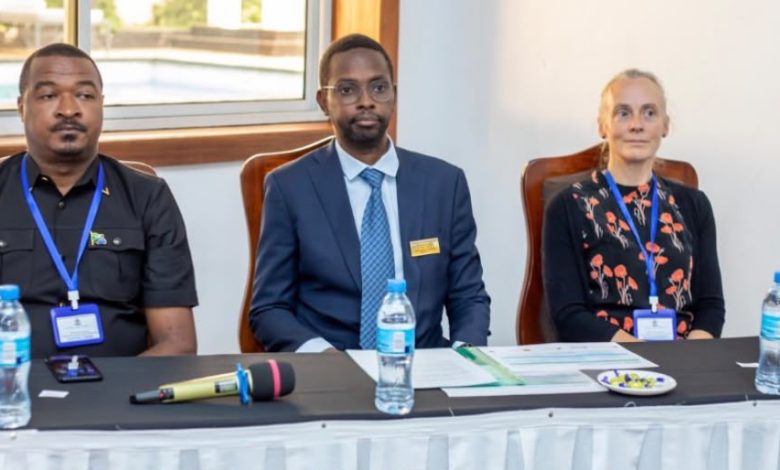
KILIMANJARO: INNOVATION in Tanzania’s health sector is expected to strengthen technological sovereignty, reduce reliance on foreign supply chains and support ongoing efforts to improve healthcare delivery.
This was said on Wednesday by the Deputy Vice Chancellor for Academic, Research and Consultancy at KCMC University, Prof Kajiru Kilonzo, during the opening of the UPIVAC Africa Innovation Course in Moshi, Kilimanjaro Region.
The five-year programme (2026–2032) aims to strengthen immunology and vaccinology capacity in Africa through scholarships, innovation and collaborative learning partnerships.
Prof Kilonzo said innovation, driven by the health economicindustrial ecosystem, will help ensure equitable access to modern treatments, support economic growth and address the rising burden of chronic diseases linked to an ageing population.
“Innovation in health is increasingly critical for sector development and improving quality of life. Initiatives like UPIVAC integrate advanced research infrastructure to accelerate biomedical technologies and strengthen innovation capacity,” he said.
He commended the government of Denmark, through the Danish International Development Agency (DANIDA), for supporting the programme, noting it will benefit both Tanzania and Ghana.
He said the initiative will accelerate the development of medicines, medical equipment and advanced health solutions while reducing dependence on external health supply chains.
UPIVAC course coordinator at KCMC University, Dr Godfrey Temba, said the training is designed to promote innovation and support the development of safe and effective health products and services.
“We learned a major lesson from the Covid-19 pandemic, which exposed global inequalities in access to essential health products and underscored the need for local production and innovation,” he said.
ALSO READ: Tanzania targets Cabo Delgado health partnership
Dr Temba noted that the programme is a collaboration between KCMC University, the University of Ghana and the University of Copenhagen, funded by Denmark under its “Africa’s Century” strategy.
A beneficiary, Dr Emmaculate Gabriel, said the programme will equip experts with skills to develop locally relevant therapies.
“Many drugs used in Africa are developed elsewhere. This training will help us create solutions tailored to our genetic and health needs,” she said.
She added that Tanzania still faces gaps in vaccines for several communicable and non-communicable diseases, expressing hope that the training will build capacity in vaccine development.
Prof Lea Bradford from the University of Copenhagen said the programme will sponsor at least six African Master’s students annually, three from Tanzania and three from Ghana, to study Immunology and Vaccinology.
She expressed optimism that graduates will return home to strengthen national health systems and improve service delivery.


I’m thankful for the useful insights presented here. The article explains the topic clearly and effectively. Thank you for providing such helpful content.
Thank you for offering this informative article. The content is easy to follow and very useful. I appreciate the effort put into producing it.