Native seeds turn into income opportunity for Arusha livestock keepers
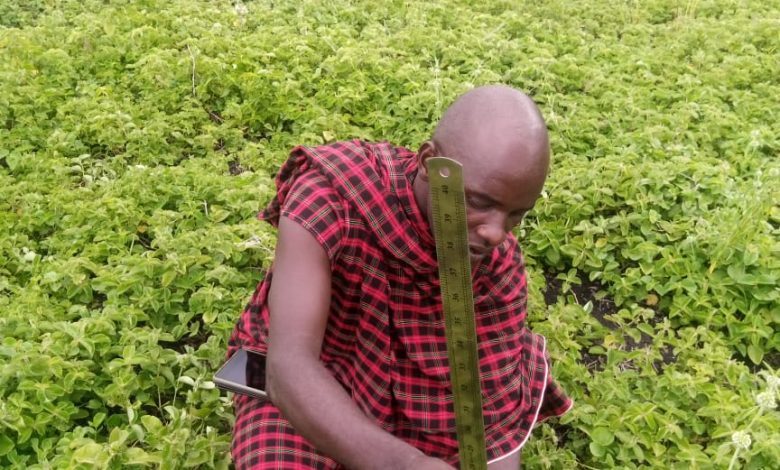
ARUSHA: LIVESTOCK keepers in some villages in Monduli and Simanjiro districts are increasingly benefiting economically from the production of native pasture seeds, an initiative aimed at restoring degraded grazing lands and addressing the impacts of climate change.
The initiative, implemented by Savannas Forever International Tanzania, seeks to establish a community-led supply system for native plant seeds to restore degraded rangelands and grazing areas.
The programme works with village-based “seed champions”, focusing on seed collection and preparation, training and extension services, as well as seed marketing and distribution through partnerships with various stakeholders.
Speaking during the Nanenane exhibition in Arusha, the project facilitator, Mr David Mollel, said the initiative was being implemented in four villages, three in Monduli and one in Simanjiro.
He named the villages as Alkaria, Mtimoja and Mswakini Juu in Monduli, and Legosieti in Simanjiro.
He said the project had reached more than 100 households, including women and youth who were being trained in the seed production process, from harvesting and preparation to planting.
“So far, we have 100 seed champions from two groups of youth and women whom we have trained on the entire process, including seed preparation, planting and harvesting,” he said.
Mr Mollel said the project used native seeds suited to local environments, with communities helping to identify grass species that had grown in their areas in the past but had declined or disappeared.
“That is why we talk about restoring rangelands,” he said.
He said the seeds could be used for different types of livestock, including dairy and beef cattle, noting that reliable availability of pasture was important for productive livestock keeping.
Mr Mollel said small-scale livestock keepers who reached commercial production levels would be linked with large-scale livestock keepers who could provide a market for the seeds they produced.
Speaking about the benefits of the initiative, Ms Elizabeth Loth, a livestock keeper and beneficiary from Mswakini Juu, said she joined the project in 2023 and had started earning income from pasture seed production this year.
“I used part of the income to support my child’s school needs, while I used the other part to increase capital for my business,” she said.
Ms Loth urged other livestock keepers to seize the opportunity by undergoing training and participating in pasture seed production to improve livestock keeping, restore the environment and increase their incomes.