National decentralisation policy in pipeline
THE government has prepared proposals for the formulation of the National Decentralisation Policy of 2026, which is currently in the decisionmaking stage.
Through the proposed policy, the government aims to establish a national framework that will effectively coordinate the implementation of decentralisation and strengthen Local Government Authorities (LGAs).
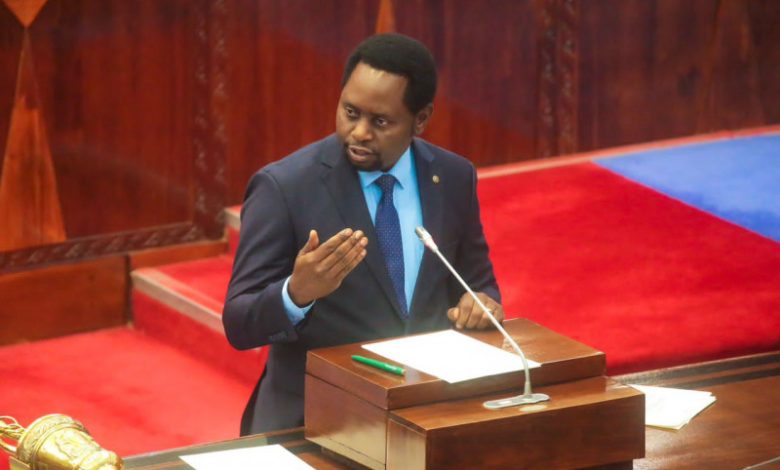
It also seeks to increase citizens’ participation in development decisionmaking, as well as improve the distribution of powers, resources and responsibilities between the central government and LGAs. Deputy Minister of State in the Prime Minister’s Office (Regional Administration and Local Government), Dr Festo Dugange, told the august House that preparations for the policy follows various assessments conducted on the country’s decentralisation system.
Dr Dugange was responding to a basic question from Special Seats MP Martha Gwau, (CCM)who sought to know when the government will enact a Decentralisation of Powers Law for LGAs as part of implementing the National Development Vision 2050.
The deputy minister said the government recognises the importance of strengthening the decentralisation system as a key instrument in achieving sustainable national development, particularly in the implementation of Vision 2050.
He further said that implementation of the policy may go hand in hand with the review of some existing laws or the enactment of a decentralisation law where necessary.
Dr Dugange added that the objective is to address operational challenges and improve service delivery to citizens.
He stressed that the main goal is to ensure that powers, resources and decisionmaking are effectively devolved to LGAs in order to enhance efficiency, accountability and spur development in line with the needs and priorities of local communities.