

Mwinyi calls for judicial reforms
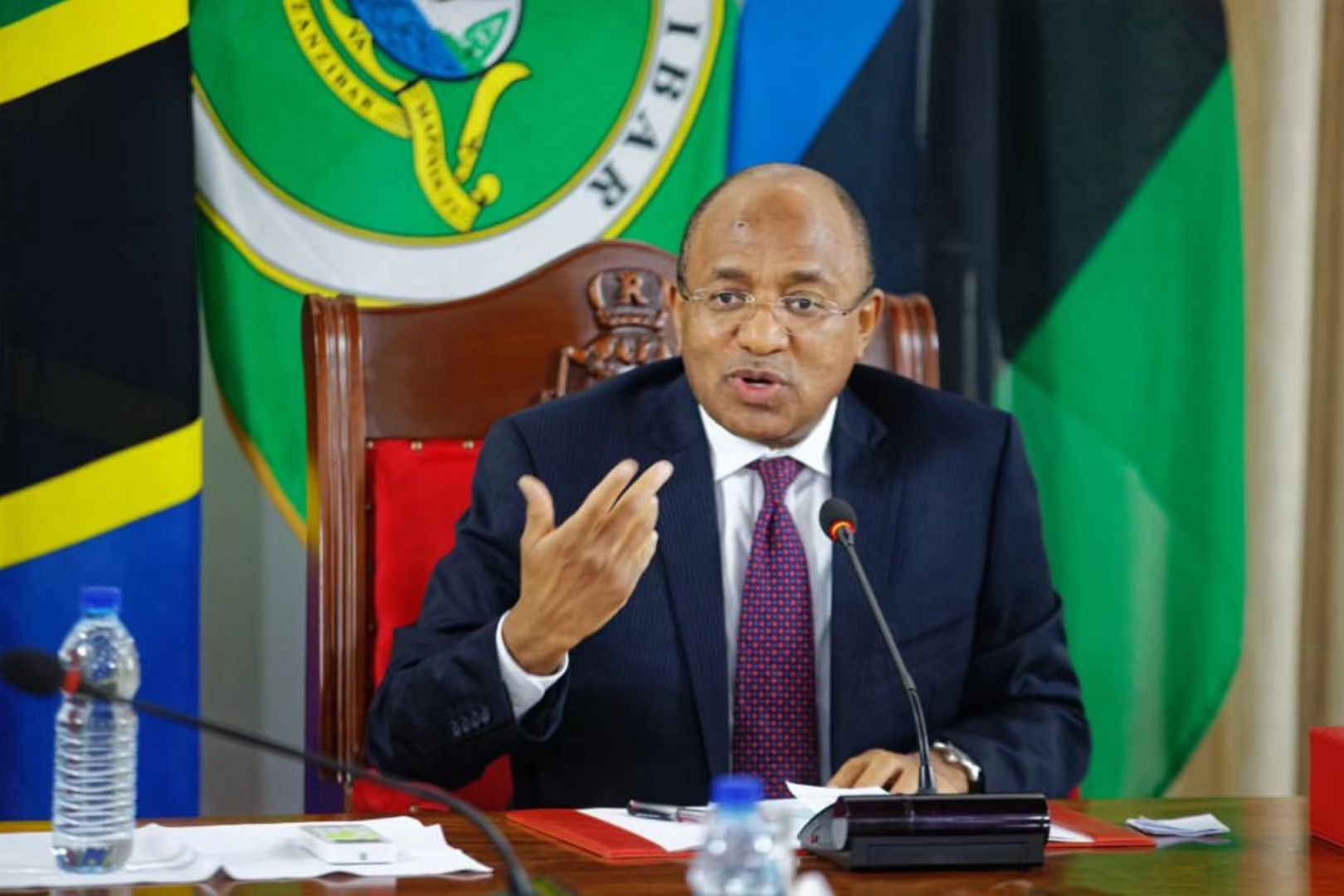
ZANZIBAR: ZANZIBAR President Dr Hussein Mwinyi has called for judicial reforms in Zanzibar, urging the judiciary to expedite the amendment of outdated laws and remove legal barriers that hinder access to justice.
Speaking at the culmination of the Law Week celebrations at the Regional Court grounds at Mazizini, Unguja Urban District yesterday, Dr Mwinyi stressed the importance of reviewing various laws alongside judicial reforms.
“I have been informed that you intend to amend the Zanzibar Civil Procedure Decree (Chapter 8), a law that has been in place for over a century since its enactment in 1917,” he noted, adding; “It is clear that this law is antiquated and needs modernisation.” Dr Mwinyi stressed that technological advancements and evolving investment laws demand the creation of modern legal frameworks.
He urged the judiciary to accelerate efforts to simplify case filing and resolution procedures, particularly by focusing on alternative dispute resolution (ADR) mechanisms.
The Isles leader also underscored the importance of judicial efficiency and ethical conduct, warning against corruption and negligence that undermine the rule of law.
He commended the judiciary’s initiative to conduct research on public satisfaction with court services, insisting the importance of feedback from citizens and stakeholders to assess the effectiveness of judicial services and ensure transparency in service delivery.
During the celebrations, Dr Mwinyi launched the 2025 guidelines for asset recovery in corruption and economic sabotage cases, as well as new sentencing guidelines.
ALSO RAED: PM insists judicial reforms
He said that strong legal frameworks are crucial for fostering public trust, peace and economic development.
The government, he said, remains committed to prioritising judicial reforms. Dr Mwinyi reiterated that an efficient case management system not only strengthens justice delivery but also enhances Zanzibar’s appeal to investors.
He reaffirmed the government’s commitment to upholding the rule of law and human rights as key pillars of justice, peace and national development.
He assured that the government would continue creating a conducive environment for the judiciary and its stakeholders to ensure good governance and protect citizens’ rights.
Minister of State in the President’s Office (Constitution, Legal Affairs, Public Service and Good Governance), Dr Haroun Ali Suleiman, reiterated his office’s commitment to working closely with the Bar Association.
He urged judges and magistrates to resolve cases within the legal timeframe to ensure timely justice. Zanzibar’s Chief Justice (CJ), Khamis Ramadhan Abdalla, said that 7,912 new cases were filed across Zanzibar’s courts between January and December 2024.
Of these, 4,319 were criminal cases and 7,057 were civil cases. The CJ noted that 8,912 cases had been resolved, representing 78 per cent, while 2,564 cases (22 per cent) remain pending.
In specialised courts dealing with sexual offences, 136 cases from 2023 were carried over into 2024, with 292 new cases filed.
In the special courts for drug-related offences, 104 new cases were filed in 2024. Looking ahead to 2025, the CJ said the judiciary aims to enhance and simplify access to justice by fully implementing an electronic case hearing system.
ALSO READ: CJ seeks legal education review to align with judicial reforms
He underscored the importance of expediting hearings to reduce case backlogs and ensure timely justice.
Director of Public Prosecutions (DPP), Mgeni Jailan Jecha, acknowledged the judiciary’s progress but noted ongoing challenges, including false testimonies from witnesses, particularly in cases involving drug offences, sexual offences, corruption and economic sabotage.
Mr Jecha outlined strategic measures to counter these challenges, including ensuring the presence of key witnesses in court and called on the government to continue supporting his office in achieving its objectives.
Earlier, the Zanzibar Law Society President, Mr Joseph Maganzi, pledged to strengthen cooperation in legislative processes to ensure Zanzibar’s legal professionals benefit from advisory services on strategic projects.
The Law Week celebrations provided an opportunity for the judiciary to reflect on its achievements, identify challenges and set strategic goals for the future.
The activities focused on public legal education, helping citizens better understand their legal rights and judicial procedures.



395540 116604Some truly quality posts on this internet site , saved to favorites . 796773
391679 236756What is fantastic respecting is dealing with instead of depending on. 63397
658456 664076I agree with you. I wish I had your blogging style. 697755