MUHAS, One Health Society train experts to boost pandemic preparedness

DAR ES SALAAM: MUHIMBILI University of Health and Allied Sciences (MUHAS) is reinforcing Tanzania’s preparedness against future disease outbreaks through a five day short course aimed at strengthening capacity in the One Health Approach to pandemic prevention and response.
Opening the training, MUHAS Deputy Vice Chancellor Academic, Prof Emmanuel Balandya, said the university remains committed to supporting national and global health security through training, research, and strategic collaboration with key stakeholders.
“MUHAS continues to contribute significantly to national pandemic preparedness and response through its core mandates of training, research and consultancy,” said Prof Balandya.
He added that strengthening human capacity in areas that connect human, animal, and environmental health is critical in preventing and responding to emerging health threats.
The training, titled One Health Approach in Pandemic Preparedness and Response in Tanzania, is jointly organised by MUHAS and the One Health Society and brings together 20 participants drawn from different regions of the country.
Prof Balandya commended the organizers for their role in designing and refining the course content, saying it ensures the training remains relevant to current and evolving public health challenges.
“The One Health Society has played a pivotal role in developing, reviewing and refining the course content to ensure its quality, relevance and responsiveness to current public health needs,” he said.
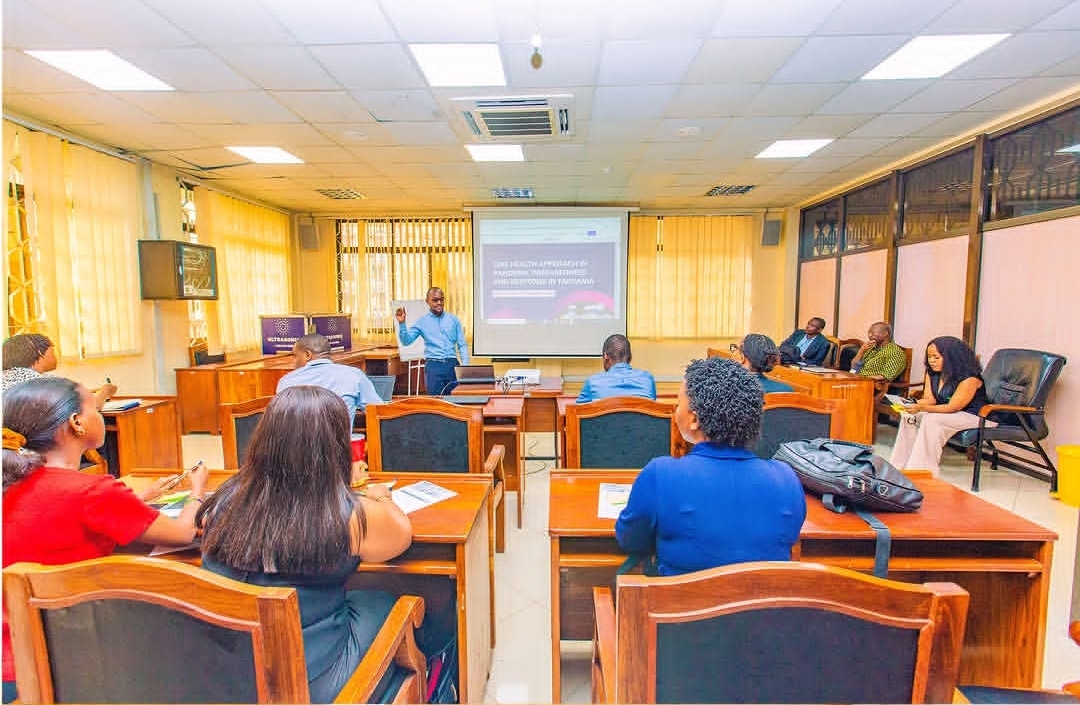
The One Health Approach is an internationally recognized framework that emphasizes the close interconnection between human health, animal health, and environmental health. It is increasingly being adopted by countries as a key strategy in preventing and managing diseases that originate from animals or are influenced by environmental changes.
Globally, recent outbreaks such as Ebola, COVID 19, avian influenza, and other zoonotic diseases have highlighted the importance of coordinated action across multiple sectors. In Tanzania, institutions like MUHAS have been at the forefront of building local expertise to respond to such threats through academic programmes, field research, and professional training.
Prof Balandya noted that the current course is designed to equip participants with both theoretical knowledge and practical skills in disease surveillance, risk communication, and multisectoral collaboration, which are essential for early detection and effective response to outbreaks.
ALSO READ: Women traders get cash boost at Kobero–Kabanga OSBP
He further emphasized that partnerships between academic institutions and professional bodies play a crucial role in strengthening national preparedness systems.
“The One Health Approach is not just a concept, it is a practical necessity in today’s world where health threats cross borders between humans, animals, and the environment,” he added.
He also urged participants to fully engage in the training and apply the knowledge gained in their respective institutions to strengthen preparedness and response mechanisms at local and national levels.
The training reflects growing national recognition of the One Health Approach as a key pillar in Tanzania’s health security strategy, as the country continues to strengthen systems for early warning, prevention, and coordinated outbreak response.