MsingiTek extends to Shinyanga, targets over 13,000 pupils
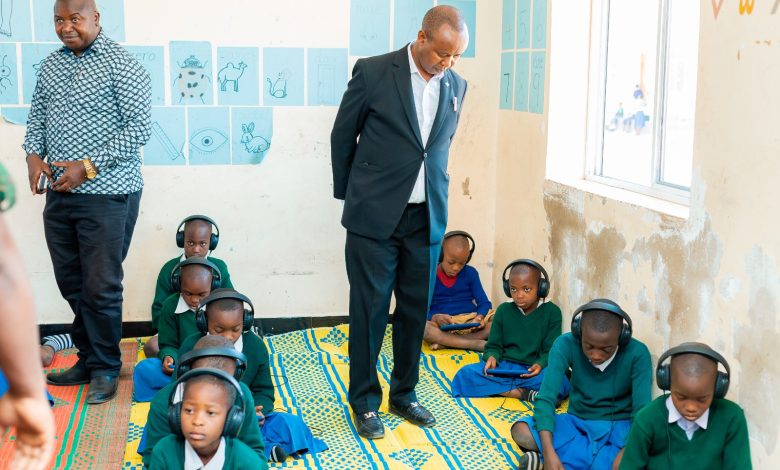
SHINYANGA: Reading, writing and numeracy skills are expected to improve in Shinyanga following the official launch of the MsingiTek tablet-based learning programme, which is targeting more than 13,000 pupils in 100 primary schools in the region.
The programme was officially launched by Shinyanga Regional Education Officer Samson Hango on September 17, 2026, in Shinyanga and witnessed by various government leaders, including council chairpersons, council executive directors, education officers from Shinyanga District Council and Kishapu, teachers and representatives of pupils expected to benefit from the programme.
Speaking during the MsingiTek launch ceremony, the Shinyanga Regional Education Officer urged education leaders to take ownership of and fully implement the project to ensure its sustainability.
“I am sure some of the pupils invited to this event come from schools where they have never used tablets. Therefore, I think it is a good thing for us as councils to step up and continue implementing the strategy of Dr Samia Suluhu Hassan to strengthen teaching and learning through modern digital technology,” Mr Hango said.
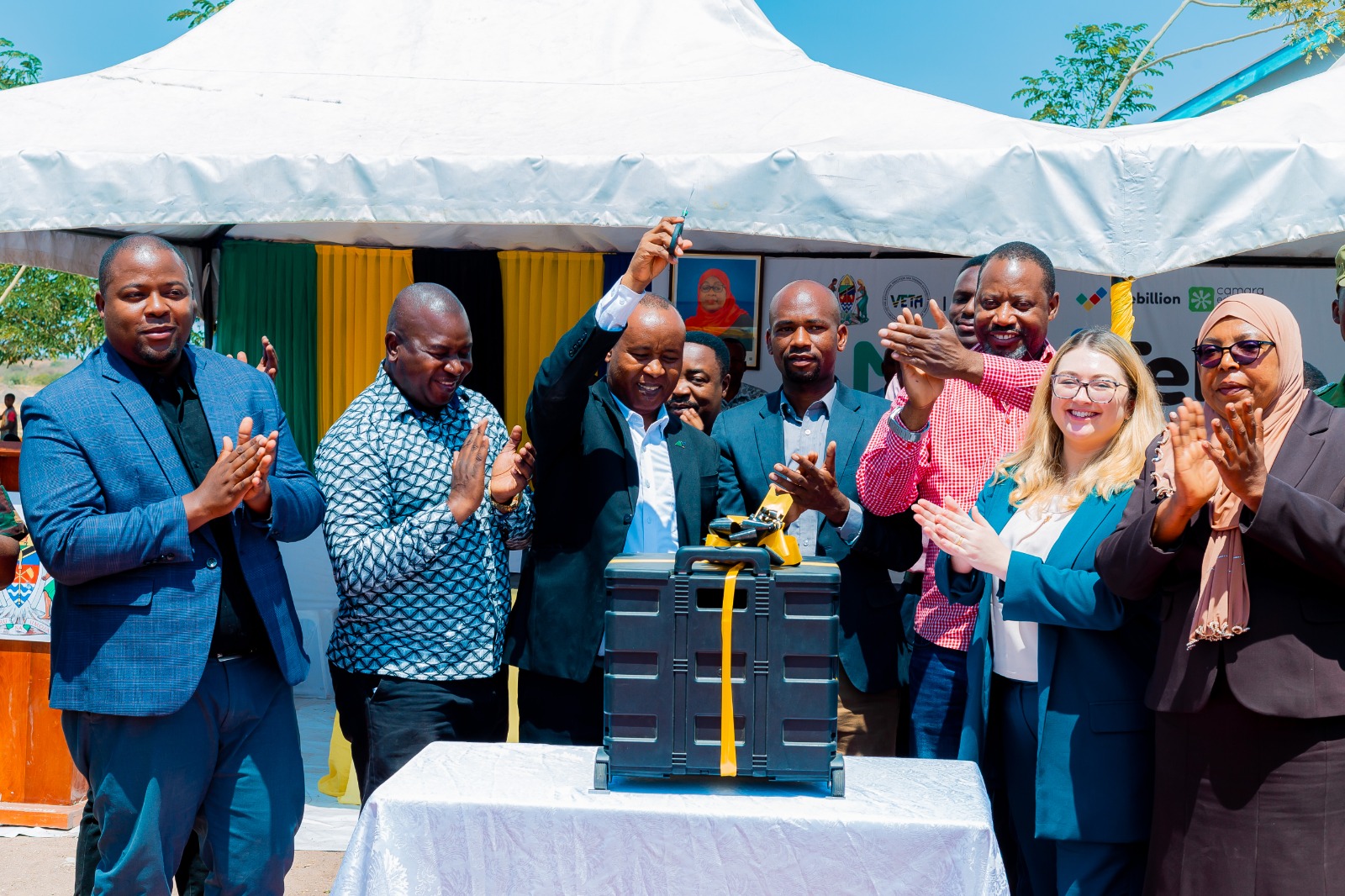
For her part, Imagine Worldwide Programme Director Cliodhna Ryan said that through strong collaboration with the Ministry of Education, Science and Technology, the Prime Minister’s Office–Regional Administration and Local Government (PO-RALG), and the Shinyanga Regional Commissioner’s Office, the programme had so far reached 50 schools, with a target of reaching more than 13,000 pupils by the end of this year.
By the end of this year, the programme is expected to have reached a total of 100 primary schools in Shinyanga Region alone.
According to Nguzo Mbili Primary School Headteacher Jafari Kasanga, absenteeism was previously a major challenge at the school, but pupils are now attending classes in large numbers and performing well.
“Before this project, pupil attendance stood at between 70 and 75 per cent, but now attendance is not below 95 per cent every day. Children really enjoy learning through tablets,” he added.
Candy Allan John, a Standard Three pupil at Maganzo Primary School, said the tablet had helped her learn how to answer puzzle questions and perform calculations, improving her reading, writing and numeracy skills.
ALSO READ: Helios Towers launches ICT lab at Kalenga, 873 students to benefit
MsingiTek is being implemented through close collaboration between the Ministry of Education, Science and Technology, the Prime Minister’s Office–Regional Administration and Local Government (PO-RALG), the Shinyanga Regional Commissioner’s Office, Camara Education Tanzania and Imagine Worldwide Tanzania.
The programme supports the government’s efforts to improve foundational learning by giving pupils in Standards One to Three opportunities to use learning technology that is adapted to their abilities and aligned with the curriculum, while strengthening the systems and capacity required to deliver quality education at scale.
The launch marks the expansion of MsingiTek into Shinyanga Region, where 50 schools are currently participating in the programme, with the target of reaching 100 schools by the end of 2026.
The programme is currently being implemented in Shinyanga and Kishapu districts, where more than 13,000 pupils and 270 teachers are expected to benefit.
As of June 2026, MsingiTek had reached 250 government primary schools in five regions—Morogoro, Ruvuma, Tabora, Shinyanga and Manyara—across 11 districts, benefiting more than 57,000 pupils.
The programme is expected to expand to 500 schools serving more than 120,000 pupils by the end of 2026 and is expected to help build experience and evidence to guide future implementation.
MsingiTek is a collaborative programme supporting the Government of Tanzania’s efforts to improve foundational Reading, Writing and Numeracy (KKK) skills.
The programme combines a learner-adaptive, curriculum-aligned learning application, solar-powered tablets and teacher support to help children build strong reading and numeracy skills, while strengthening education systems and implementation capacity in government schools.