Modernise bodaboda sector to save youth, lives
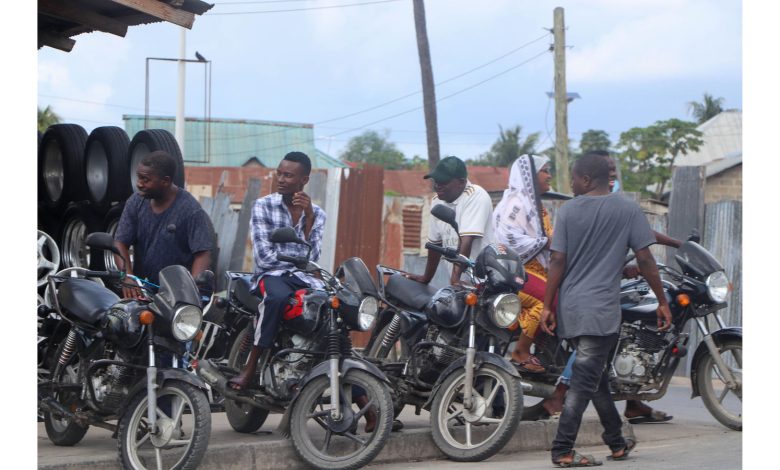
DAR ES SALAAM: WHICHEVER way you look at it, the bodaboda industry has become one of the largest sources of employment for young people, offering quick income in a difficult job market. Yet, what should be a lifeline has increasingly turned into a public safety crisis.
Across highways and city roads, disorderly riding has become the norm rather than the exception, exposing both riders and the public to constant danger. Many riders weave through traffic at high speed, overtaking from the left, right and centre without warning.
It is common to see motorcycles carrying more than one passenger, fondly referred to as “mishkaki” with neither the rider nor passengers wearing helmets. Some remove side mirrors entirely, limiting visibility, while others ride with indicators blinking continuously, creating confusion instead of signalling intention.
Equally concerning is the behaviour displayed on the roads. Verbal abuse directed at motorists, disregard for traffic rules and a general lack of discipline have contributed to an environment of chaos. Take a spot check and you will realise that a significant number of riders operate without valid driving licences, raising serious questions about enforcement and training standards.
This situation should not be dismissed as mere indiscipline. It reflects a deeper systemic failure in how the sector is organised and managed. The bodaboda industry is not inherently problematic. In fact, it plays a critical role in urban and rural mobility, connecting people to workplaces, schools and essential services.
ALSO READ: Stakeholders: Totally ban corporal punishment in schools
However, without proper structure, it becomes a risk rather than a resource. For that matter, we ask the government and stakeholders to move beyond reactive measures and adopt a coordinated approach to reform. First, mandatory training and licensing must be enforced. Riding a motorcycle commercially should require constant formal instruction in road safety, traffic laws and customer handling.
Certification should not be optional; it should be a strict prerequisite. Second, there is a need to establish organised rider associations or cooperatives. These groups can help regulate conduct, provide peer accountability and serve as platforms for continuous education. When riders are organised, it becomes easier to communicate policies, enforce standards and offer support.
Third, investment in safety infrastructure is essential. Affordable helmets should be made accessible and enforcement of their use must be consistent. Reflective jackets, functional indicators and properly maintained motorcycles should be mandatory, not negotiable. The bodaboda sector holds immense potential as a source of employment and mobility. But without decisive action, it will continue to cost lives and undermine public order. Reform is not about restricting opportunity, it should be about protecting it.