Minister Kamani tasks TAFIRI to conduct in-depth studies on how El Niño rains can threaten fisheries sector
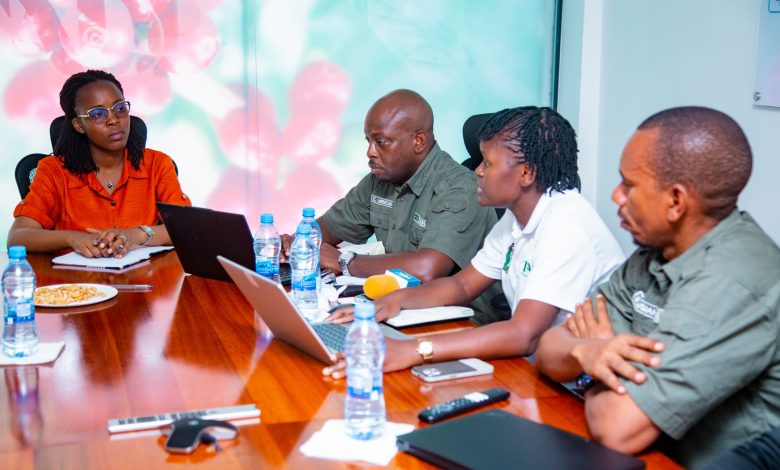
MWANZA: THE Deputy Minister of Livestock and Fisheries, Ms Ng’wasi Kamani, has called on the Tanzania Fisheries Research Institute (TAFIRI) to conduct detailed studies on the effects of El Niño rains on fisheries production, so that the Government and stakeholders can take appropriate measures to address the challenges that may arise.
Kamani made the call today in Mwanza, while continuing a three-day special working visit to institutions under the Ministry of Livestock and Fisheries.
The visit aims to monitor the implementation of instructions given by the Minister of Livestock and Fisheries,Dr. Bashiru Ally Kakurwa, for the Fisheries Education and Training Agency (FETA) Nyegezi Campus and TAFIRI Mwanza, as well as talking to young people participating in the Building Bright Tomorrow(BBT) program.
Ms Kamani further said scientific information on the effects of climate change, including El Nino, is important in helping the Government plan and take steps to protect the production and income of citizens who depend on the fishing sector.
In another step, Ms Kamani has called on FETA to ensure that it builds and improves the infrastructure of cold storage rooms for storing fish in its centers in Kagara, Mara, Chato and Nyegezi.
She said the presence of this infrastructure will help young people who benefit from the BBT – Uvuvi program as well as other stakeholders to store fish after harvesting, thus reducing the loss of fishery products and increasing the value of these products.
She stressed that investment in conservation infrastructure is important in ensuring that fish remain of acceptable market quality and enable fishermen and fish farmers to benefit more from their production.
Ms Kamani also congratulated the youth participating in the BBT – Fisheries program for taking advantage of the opportunities provided by the Government through the sector.
She urged the youth to continue to use these opportunities effectively, focus on productive production and focus on the proper use of the education and skills they gain to create jobs and increase their contribution to the development of the fisheries sector in the country.
Kamani’s visit continues to monitor the implementation of Government directives in various areas of the fisheries sector, while emphasizing the importance of research, infrastructure and empowering youth to increase production and reduce the challenges facing the sector.