Massive investment in water sector

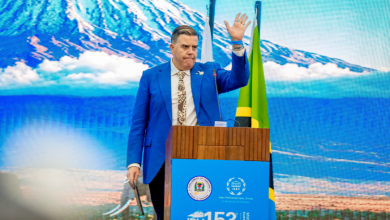
DODOMA: MINISTER for Water, Jumaa Aweso, yesterday tabled to the National Assembly a 1.12tri/- budget estimate for the 2026/27 financial year, of which 93 per cent is earmarked for development.
The move underlines the government’s determination to transform the water sector into a significant contributor to the country’s economy. If approved, the Ministry’s budget will increase by 221.92bn/- (24.7 per cent) from about 898.28bn/- in the current financial year.
Presenting his 381- page speech to the august House in Dodoma, Mr Aweso said the proposed funds will enable the Ministry to implement seven key priorities, including fast-tracking completion of ongoing water projects to ensure timely service delivery.
He said that in 2026/27, the Ministry plans to complete 992 rural water supply projects, 196 urban water supply projects and 26 sanitation projects.
Mr Aweso added that the government will also finalise the National Water Master Plan to utilise reliable sources, including lakes and rivers, to supply water to areas facing shortages.
The minister further noted that efforts will be intensified in rainwater harvesting to boost water availability for social and economic use.
He said priority will be given to constructing and rehabilitating 33 dams, designing 34 new dams, conducting environmental impact assessments for two dams and promoting rooftop rainwater harvesting.
ALSO READ: Tanzania decorates EWURA at Water Sector Excellence Gala
“These measures aim to enhance water reliability in areas with limited permanent sources, reduce the effects of drought and climate change and ensure adequate water supply for domestic use, livestock, agriculture, industry and other development activities,” he said, adding that construction and rehabilitation of dams will remain key to strengthening national water security.
Mr Aweso further said the Ministry will begin implementing water projects in 314 villages out of 1,575 villages currently without water services, noting that the initiative is aimed at gradually integrating them into development plans.
Other priority areas include reducing water loss, improving coordination and delivery of water supply and sanitation services in health facilities and schools, in collaboration with sector ministries, the Prime Minister’s Office – Regional Administration and Local Government (PO-RALG), and other stakeholders, as well as strengthening financing and institutional capacity.
He said the initiative is aimed at ensuring reliable water supply in essential social service institutions, thereby safeguarding health, hygiene, dignity and a safe learning and service environment.
Providing an update on access to water and sanitation services, Aweso told the House that the government has continued to improve access in both rural and urban areas through construction, expansion, rehabilitation and improved management of water supply systems.
He said the government aims to ensure that 90 per cent of the rural population and 95 per cent of the urban population have access to clean and safe water by 2030.
As of December 2025, access to water services in rural areas had reached 85.2 per cent, up from 83.1 per cent in December 2024.
He said the improvement is attributed to the completion of 54 projects comprising 946 water points, benefiting about 493,932 people across 151 villages, bringing the total number of rural residents with access to water services to 38,611,800.
He further assured lawmakers that the Ministry will continue strengthening the capacity of the Water Institute in its Dar es Salaam and Singida campuses to produce skilled professionals, advance research and innovation, and promote technologies addressing challenges in the water sector.
“The Ministry will also continue to strengthen the capacity of the National Water Fund to enhance its ability to mobilise resources for financing water sector development projects,” he noted.