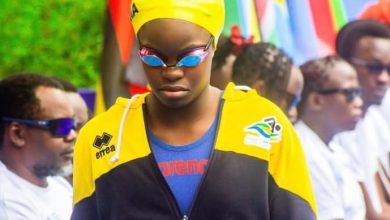
Marioo surfs with “Tete” as he combs the Azania coastline

DAR ES SALAAM: MARIOO’S 2025 release, “Tete”, continues to dominate the music airwaves as one of the Bongo Flava top trends this time when the genre celebrated its Pearl Jubilee in Mwanza over the weekend.
“Tete” speaks volumes about untold Tanzanian cultural heritage and its relations with other continental or global cultures, most notably the Swahili coast people, their encounter with Portuguese, Persian, Arabic and Indian cultures. In short, “Tete” by Marioo and other voluminous hits penned by Bongo Flava mega stars; Diamond Platnumz, Harmonize, Zuchu, Jux, Nandy or Ray Vanny retain the true colours of music and culture of Azania coastline stretching from Mogadishu to KwaZulu natal in present day South Africa.
Marioo, whose birth name is Omary Ally Mwanga, was born on December 31, 1995, in the Temeke District of Dar es Salaam, penned and sang “Tete” fusing Coastal Swahili Segere (or Sega in Indian Ocean Islands) while sampling South African Brenda Fassie’s hit “Nakupenda” in “…Sogea Nikupambe….”
The whole of Africa, whether it is Swahili phone, Anglophone or Lusophone, is mirrored in Tete and many other Bongo Fava hits now enjoying a huge global audience.
A viewer from Mozambique who signed as Anamola Mueda commented on “Tete”: “I’m feeling so good with your music… Like my life history.” For the Mozambique national, Tete may sound like Tete, a rapidly growing city located on the Zambezi River in northwestern Mozambique.
Marioo also added Portuguese Te amo (I love you in Portuguese) while also Africanising “Tete” with Ndakukunda (I love you in the Kirundi language). Kenya, Esther Chesang commented: “That is my favourite song. I love it before Erick Omwocha joined, saying: One love from Kenya, TZ is my second home musically need your likes.” ErickTutara joined, saying: “I love the song from Maasai land.” From Ghana, YouTuber introduced as @KOP98 commented on “Tete”: Love this song though I don’t understand. From DR Congo, Frank Kabedi says: “Je viens du Congo mais j’aime Marioo.”
“The song is fire, love,” says @imafisuccess from Nigeria Crystal clear, a Tanzanian who signed as @vinanimationtz said: “sogea nikupambe, sogea nikubusu” my favourite part.
No one mentions Miriam Makeba, Mama Africa, for globalising the Kiswahili language and its culture, after taking “Malaika” from Kenya to the world over six decades ago.
As a South African, Makeba introduced Malaika to the global audience and its global response came in the mid 1970’s when the classic lineup of the Euro-Caribbean disco group Boney M re-issued it to become a global classic hit. Performed by Liz Mitchell, Marcia Barrett, Maizie Williams and male vocalist Bobby Farrell, Boney M’s version of Malaika has hit heights since then and its impact remains intact today.
The magic behind the huge acceptance of Marioo’s “Tete” and many other hits that enjoy global music airwaves is a sweetened Mixolydian mode found in the number of hits that borrow much from the Indian Ocean shoreline.
“Tete” is in the Mixolydian mode in common time and moves at a tempo of 123 beats per minute. To play it perfectly, a trumpet must be engaged to accompany the song, but Marioo opted for alto saxophone performed by Echoes of Africa.
Influence of the Coastal Swahili music now dictates terms in the Bongo Flava, the genre that is well understood and adored today as it retains and maintains the linear notes and subtlety commonly seen in East Africa’s Swahili music.
It is Segere to Tanzanians, gentle Chakacha to Kenyans; while in Francophone countries, this type of music from the Indian Ocean shoreline and French-speaking countries, Sega is its name.
Among the earliest promoters of the genre is Bi Kidude, the Zanzibar music legend with the birth name Fatuma Bint Baraka.
‘Muhogo wa Jang’ombe’ remains Bi Kidude’s most popular hit, which surprisingly respects the linear scales of the popular Indian Ocean music, Sega now widely known in French-Speaking countries in terms of linear scales.
All the way from Mauritius, Denis Azor’s ‘Ala Li la’ made a huge global appeal in the 1990s as a Sega music masterpiece.
He and other Sega artists from the Indian Ocean helped Sega music to gain global fame and became the most popular music genre from the Indian Ocean Islands of Reunion, Mauritius, Comoro, Seychelles and Madagascar.
In an interview with one of the French magazines, Dennis Azor claimed Sega originated from Zanzibar and this was justified by Bi Kidude’s “Muhogo wa Jang’ombe” as a grandmother of Azor’s ‘Ala li la’.
‘Muhogo wa Jang’ombe’, which was later re-flavoured by Judith Wambura (Lady JD), remains the model of what the Francophone world sees as Sega and Segere, or simply Mwambao style, to mean music of the Swahili people of the East African coast.
Bongo Flava, the music of the new generation that previously borrowed heavily from American pop, has been influenced by what the French world terms as typical Sega.
But it is Segere here as a music genre from Coastal Swahili, mainly Zaramo of Dar es Salaam and the nearby coastline and it has been widely played by Bongo Flava performers in joyful events like weddings.
Among the best and most popular hits styled in Segere include ‘Aiyola’ performed by Harmonize, ’Waache Waoane’ by Chege and ‘Nasema Nawe’ by Diamond featuring Taarab Queen, Khadija Kopa, as all these falls into 6/8 or 3/8 metre without a trace of maqamat influence.
Harmonize seems adept in Coastal Swahili Segere, as his hit Happy Birthday has been doing well in expressing joyous occasions.
Also, worth considering in the Sega-Segere debate is the defunct Yamoto Band whose hits “Niseme” and ‘Nitakupwelepweta’ take Segere very close to the Lizombe dance from the Ngoni tribe. “…Nenda kalicheze Segere, Segere Mama Segere… sings Dogo Aslay in one of the “Nitakupwelepweta” verses.
Yamoto Band’s works add a little complication since it temporarily removes Segere from the Wazaramo-Wanyamwezi lineage.
Almost five years ago, Tabora Jazz in the early 1970s, under the patronage of guitarists Shem Kalenga and Kassim Kaluona, introduced the Segere Matata dance style and the band had sky-high fame through Dada Asha No 2 and Dada Remmy.
In one of the interviews, Kaluona, the band’s rhythm guitarist, said Segere Matata is the dance for the Nyamwezi chiefs and the genre is a fusion of Hiari ya Moyo (Nyamwezi) and Kisonge dance from Manyema land.
Ten years later in Dar es Salaam with the reformed Tabora Jazz becoming Tabora Jazz Stars, the band’s guitarist, Issa Ramadhan (Baba Isaya) claimed Sega and Segere Matata were one and came from Western Tanzania and the name is derived from Nyamwezi’s Masegesa, which normally serves like Kayamba or Maravane, as is it is called by Sega practitioners in Mauritius, Reunion, and Seychelles Baba Isaya issued his comments about Sega after Tshimanga Kalala Assosa’s composition ‘Mambo Bado’ became a huge hit in the early 198Os and that hit paraded the dance style he and Orchestra Makassy band paraded as Sega Dance.
Sega name was brought to Tanzania in 1978 by the then Seychelles Army Captain, David Filo, who teamed up with Mwenge Jazz members to record Aiyo Panga in the studios of Radio Tanzania Dar es Salaam (RTD).
Like Segere, Sega is danced without the feet ever leaving the ground; instead, the rest of the body moves and that corresponds well with Segua Segua, a dance style Tabora Jazz Band developed in the early 1980s.
For East Africans, especially Kenyans, Tanzanians and Somali, Chakacha has been the name of a traditional music and dance style of the Swahili people in coastal areas of Kenya and Tanzania, originally associated with weddings and performed and watched by women.
In all three associated dances, women dress in very light, transparent clothing and have a belt around their waists for ease of movement.
The puzzling resemblance is seen in the hip-swaying dance movements of Chakacha, which also bear some resemblance to both Congolese dances and the Middle East’s belly dance, mainly Persians (Shirazi) who intermarried with Zaramo in the 18th century.
To Wazaramo, the Persians were known as Washomvi and their influence is seen even today.
ALSO READ: From Mwajuma to Cinderella, Swahili naming culture takes a sway
Dar es Salaam’s Young Stars Modern Taarab with Siza Mazongela on lead vocals, almost single-handedly brought a modified Segere and created a new style in Dar es Salaam with her hit, “Segere Origin” in 2001.
Oh, Shabani Madobe kataka kumsola Imwana, Imwana naye kalema kasola migulu kabana…. The song was especially noteworthy for its rhythm directly descending from Zaramo cultural traditions! Akin to a similar synthesis of the same in Mchiriku – another modern-style take on Zaramo musical traditions from Dar es Salaam.
But Diamond featuring Khadija Kopa in “Nasema Nawe” strongly defends Zanzibar as the origin of Sega and is at par with claims echoed by Sega artists from both Reunion and Mauritius.
Though they identify their group as Chakacha from Comoros, their wedding song titled “Wawili Wapendanao” seems to insist Sega originated from Swahili of the East African coastline.
JKT Taarab’s Patricia Hilal may somehow defend claims that Bi Kidude originated from a Zigua clan, most notably in areas of the Pangani river and that it can be highly connected through ‘Ni Mdodo’, a popular Tanga-styled taarab of the early 2000s.
Sega origin remains a puzzle and that urges a revisit of major routes that brought East and Central Africans to alien lands through the Indian and Atlantic oceans.