From Mwajuma to Cinderella, Swahili naming culture takes a sway

DAR ES SALAAM: FROM undisclosed locations in Nairobi, Kenya, ‘‘Cinderella’’ by Alikiba dominated the music airwaves upon its release in 2007. For Kenyan analysts, “Cinderella” marked the beginning of Bongo Flava’s long march to the global music stage.
“It’s rare to see a Tanzanian dating a European girl,” remarked Patrick Muringe, a resident of Madaraka suburb, upon hearing that Alikiba had left his school days girlfriend, Mwajuma, to pick Cinderella as his new sweetheart.
Alikiba’s eponymous hit, “Cinderella”, is one of the early hits of Bongo Flava that introduced Swahili music to the international audience.
“Cinderella” has not been in the list of Swahili names that Band musicians mentioned as their main characters during the radio days era of rumba music. “Is Cinderella a popular girls’ name in Tanzania?” asked the Kenyan.
“No, it doesn’t even exist,” I quickly responded. “I have taught English in several Tanzanian schools, but I have never come across any girl calling herself Cinderella. I only used to see names like Neema, Bahati, Pendo, Tausi, Rehema, Salama and Mwajuma. Where does Cinderella come from?” he wondered. In reality, most Tanzanian youth learned about Cinderella in a classic children’s fairy tale book. Cinderella is a kind-hearted girl attending a magical royal ball, and a lost glass slipper.
Cinderella’s name doesn’t fit in a Swahili cultural setup, but Alikiba and his school-days girlfriend, Mwajuma do. Mwajuma is the name of a baby girl born on Friday (Ijumaa), while Ali is the name of a baby born on Thursday (Alhamisi).
A baby boy born on Friday is called Juma, while in parts of West Africa one born on Friday is named Koffi. Marijani Rajabu, whether with Safari Trippers or Dar International Orchestra, had the longest list of Swahili names that appeared regularly in his hit songs.
The list of popular Tanzanian names that Marijani Rajabu used mirrored popular names of residents of Tanzania during its early days of urbanisation, most notably ten to twenty years after independence.
Marijani Rajab sang praises of Georgina, Matilda, Salama, Betty, Margareth, Zuwena, Paulina, Mwajuma, Mashaka, Pendo and Dada Emmy (Amina, his wife), but warned people against Mayasa’s artificial beauty, Mwanameka’s treachery, Masudi’s theft and Siwema’s dishonesty. He also cautioned Mzee Gerald, Mzee Morris and Mzee Saidi.
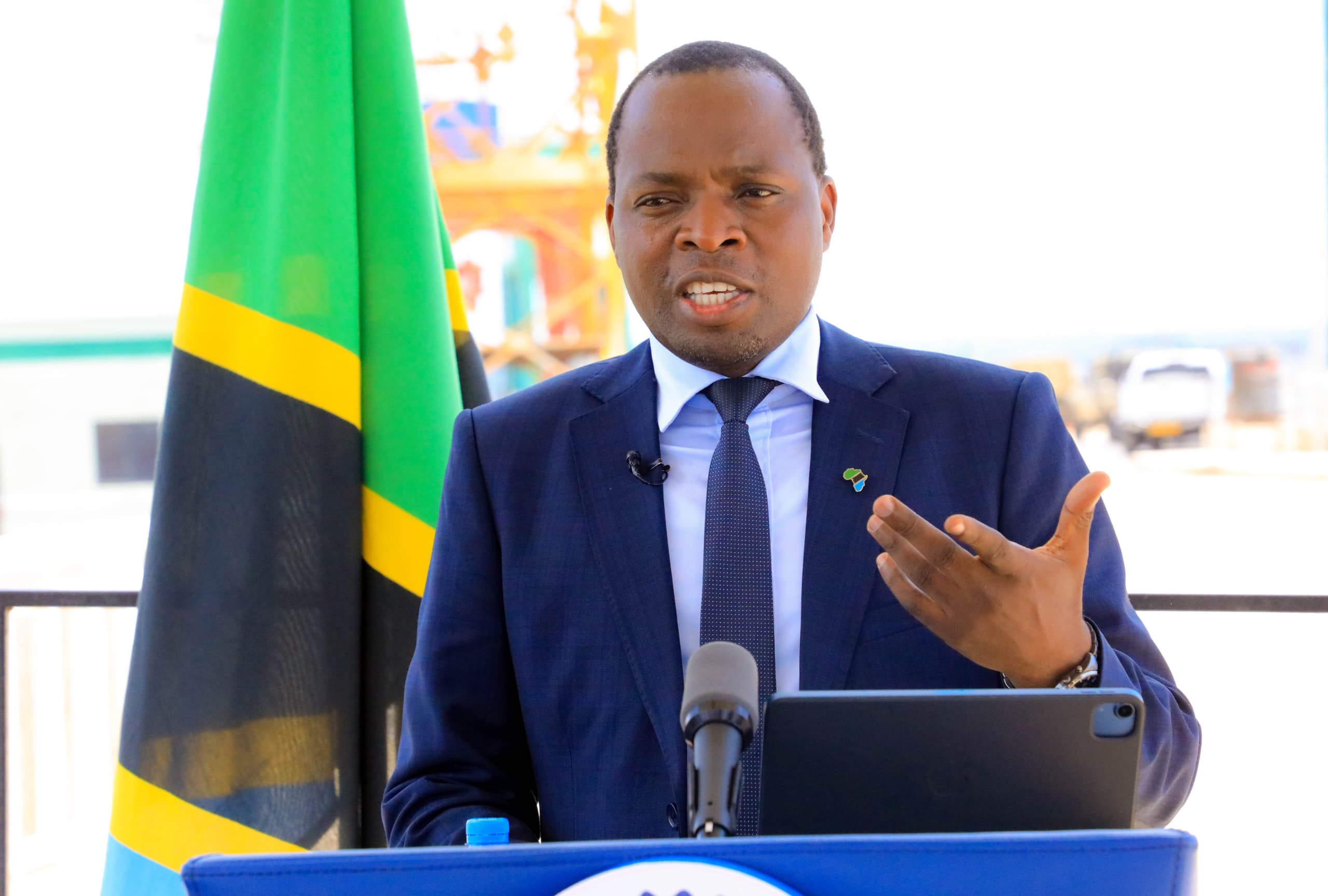
It is crystal clear that Tanzanian music is all about cultural heritage, art and literature heading to the second celebrations of the 30th anniversary of Bongo Flava on August 8, 2026 and the Tanzanian Minister for Information, Culture, Arts and Sports, Paul Makonda, has recognised Bongo Flava artists for serving as ambassadors of the Kiswahili language and its culture, while much of it being depicted through literature in poetic form.
He said Bongo Flava artists have played a significant role in promoting Tanzania across the world through their music.
Going into its 30th anniversary, Bongo Flava is no longer exclusively a Swahili people music; it’s a global music with a global outlook as evidenced through Alikiba’s switch from Mwajuma to Cinderella.
Ali’s debut album and hit single ‘Cinderella’ became the biggest-selling record in East Africa in 2008 and his second album ‘Ali K 4 Real’ was released in 2009 with the mega-hits ‘Nakshi Mrembo’, ‘Nichuum’ and ‘Usiniseme’.
ALSO READ: See how live band music stands an edge above Bongo Flava
As Minister Makonda explained during his meeting with Bongo Flava artists, their songs have helped the language transcend Tanzania’s borders and gain popularity in many countries around the world.
In short, Bongo Flava has globalised the Kiswahili language and its cultural heritage.
“You are ambassadors of Kiswahili. Through your songwriting and music, you use our national language and have helped it reach audiences in many countries,” he said.
He further said Bongo Flava music has crossed borders and continues to enjoy widespread popularity in several African countries including the Democratic Republic of the Congo, Rwanda, Burundi, South Africa, Zimbabwe and Namibia, besides Kenya and Uganda.
Bongo Flava has contributed to the growing prestige of Kiswahili while promoting Tanzania on the global stage.
“You have made the world embrace Kiswahili through your art. This is a remarkable contribution to our nation and you deserve recognition for it,” he said.
Born in 1986, Alikiba is one of the most talented musicians in East Africa and mostly considered the King of Bongo Flava music Genre.
As a girl from a European country, “Cinderella” brought Alikiba where she belongs and her people accepted him, and that is evidenced through his various hits of global status, including the 2008 collaboration with R. Kelly and other African musicians on the One 8 project.
Since then, he has become a multiple awardwinner, collaborating with various music heavyweights such as Patoranking, Sauti Sol, Marioo, Nyashinski, Khaligraph Jones and Sarkodie, among others.
Around 2011, Alikiba took a three-year hiatus from the music industry and returned in 2014 with the release of “Mwana”.
The song was well received by fans and made him win 5 awards at the 2015 Tanzania Music Awards Aje, a Bongo Flava love song that was ranked number 3 by Notjustok on their list of Best 100 Tanzanian songs of the decade ranging from 2012 to 2022 In May 2016, Alikiba signed to Sony Music, being the first East African to be signed by the recording company.
He left both Sony and Rockstar 4000 in 2021 and started his own record label, Kings Music, which now houses different Tanzanian acts such as Tommy Flavour, Vanillah, K2ga and Abdu Kiba.
In November 2021, Alikiba released his third studio album titled Only One King containing 16 songs including Utu, Niteke, Salute featuring Rude Boy, Jealous featuring Mayorkun and Washa featuring Nyashinski.
Only One King which Alikiba termed as a “Pan African album” went on to win the Best Album category in the 2022 Tanzanian music awards, a highly prestigious ceremony that Alikiba went on to win 5 awards in a single night where he also won other categories such as Best Male Artist People’s Choice, Best Music Video for his smash hit “Salute” featuring Nigerian Rudeboy, Best Melodic Songwriter of the Year and Best East African Artist during the ceremony.
Alikiba became the most awarded Tanzanian artist in the 2022 Tanzania Music Awards, followed by Nandy and Marioo, who won three awards each.
He was later endorsed by the mobile telephony brand Airtel Africa alongside the Billboard Most Influential Global R&B Artist for the past 25 years, American recording artist R Kelly and seven of Africa’s other megastar artists Fally Ipupa (DRC/France), 2Face Idibia (Nigeria), Amani (Kenya), Movaizhaleine (Gabon), 4X4 (Ghana), Navio (Uganda), JK (Zambia).
Ahead of August 8, Bongo Flava’s 30th Anniversary, it seems only Alikiba and probably Juma Nature and Mwasiti, will be carrying Swahili banners as the rest will be parading a global flag. All of them will be there; but you won’t see Juma Mkambala, you will see Jux.
Zuhura Othman will be Zuchu, Nassibu Abdul will be celebrated as Diamond Platnumz, Raymond Shaaban Mwakyusa as Ray Vanny and Rajab Kahali as Harmonize.
It is hard to explain whether Hon Hamisi Mwinjuma will appear as Mwana FA or Mbwana Kilungo as Mbosso Khan to celebrate the 30th anniversary; everything is possible