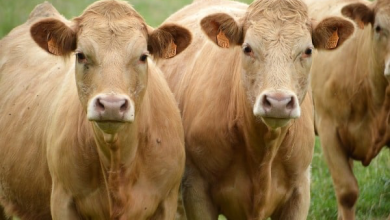
Livestock growth drives demand for vaccines

DAR ES SALAAM: THE Tanzania Veterinary Laboratory Agency (TVLA) is moving to expand livestock vaccine production and improve distribution as rising demand, particularly for Newcastle disease vaccines, creates new pressure for more accessible disease-prevention solutions for farmers.
Speaking in an exclusive interview with the ‘Daily News’, TVLA Research Veterinarian Dr Renatus Killasa said current vaccine production broadly matches market demand, but growing requests from poultry farmers for easier administration methods are prompting the agency to explore improvements.
He said poultry farmers increasingly want Newcastle disease vaccines that can be administered through drinking water, enabling them to vaccinate large numbers of chickens simultaneously instead of applying individual eye drops.
“For a farmer with a large number of chickens, administering one drop into each chicken’s eye can be challenging,” Dr Killasa said, adding that the demand highlights the importance of continuously improving how vaccines are delivered.
He spoke during the 10th Africa Agri Expo (AAE 2026) and the 3rd Future Food, Livestock & Poultry Expo (FLIP 2026), held recently at the Mwalimu Julius Nyerere Trade Fair Grounds in Dar es Salaam.
TVLA currently produces vaccines against a range of livestock diseases, including Contagious Bovine Pleuropneumonia (CBPP), Newcastle disease, anthrax, black quarter, brucellosis and pneumonia affecting goats and sheep.
The vaccines are distributed to farmers through livestock-input shops, commonly known as agrovet outlets, across the country. The agency also supplies vaccines for government-led livestock vaccination campaigns.
ALSO READ: Tanzania livestock vaccine factory draws continental praise
Dr Killasa said timely access to vaccines was critical to protecting farmers’ investment by reducing livestock deaths caused by preventable diseases.
“Once livestock are adequately protected against diseases, farmers can reduce the risk of losses while increasing productivity,” he said, noting that healthier animals also support the availability of quality livestock products for domestic and export markets.
He said feedback from farmers indicated strong acceptance of vaccination, particularly during governmentled campaigns, with farmers reporting reductions in disease incidence and livestock deaths.
The response, he said, was encouraging TVLA to strengthen research, expand production and improve access to its services.
Dr Killasa said the agency would continue aligning vaccine production with farmers’ needs while investing in research to improve existing products and respond to emerging livestock-sector challenges.
He urged farmers to vaccinate their livestock on time, describing disease prevention as an essential part of protecting investment and improving returns from livestock farming.