‘Lissu has case to answer’
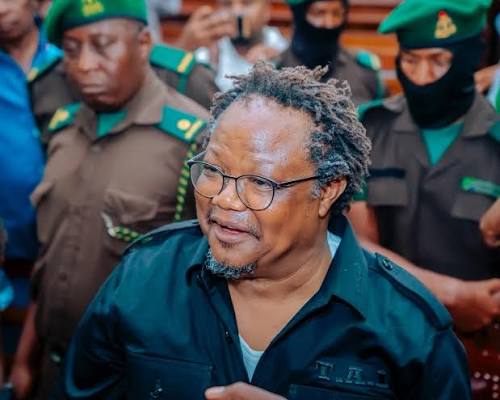
DAR ES SALAAM: THE High Court’s SubRegistry in Dar es Salaam has ruled that Chama Cha Demokrasia na Maendeleo (CHADEMA) Chairman Tundu Lissu has a case to answer in the treason case facing him, paving the way for the opposition leader to begin presenting his defence.
A three-judge panel, headed by Justice Dunstan Ndunguru, delivered the ruling yesterday, alongside Justices James Karayemaha and Ferdinand Kiwonde.
Reading Lissu had admitted that he was a Tanzanian citizen, while the 17th prosecution witness, who was present at the meeting, testified that Lissu made the alleged statements in the presence of other party leaders. He said the evidence presented by the prosecution linked Lissu to the allegations contained in the charge sheet.
“Therefore, this court finds that the accused has a right to defend himself against the evidence presented by the prosecution,” Justice Ndunguru said. The ruling means the prosecution has passed the stage of establishing whether there is sufficient evidence requiring the accused to mount a defence.
Lissu will now have an opportunity to respond to the prosecution’s evidence as the trial proceeds to the defence stage. the ruling, Justice Ndunguru said the court had considered the evidence presented by the prosecution and arguments advanced by the accused before concluding that Mr Lissu had a case to answer. Lissu is charged with treason under Section 39(2) (d) of the Penal Code, as revised in 2023.
ALSO READ: New intervention to tame Ebola in trade, migration corridors
The charge arises from remarks he allegedly made during a meeting at CHADEMA headquarters in Dar es Salaam on April 3, 2025, regarding the party’s decision not to participate in the 2025 General Election and its intention to prevent the election from taking place.
The prosecution alleges that, while a Tanzanian citizen, Lissu, with seditious intent, incited the public to prevent the holding of the 2025 General Election by making statements urging the country’s top government leader to yield to pressure.
Justice Ndunguru said that at this stage, the court was required to determine whether, based on the prosecution evidence, the accused could be convicted if the evidence remained unchallenged. He said the court was not required at this stage to conduct an in-depth analysis of the evidence or determine its credibility.
The court, in reaching its decision, considered three essential elements of the offence of treason which it found had been established through the prosecution evidence. Justice Ndunguru said