Leaders, analysts credit Constitution for peaceful transitions
DODOMA: TANZANIA’S Constitution has demonstrated remarkable resilience in guiding the country through sensitive leadership transitions without unrest, political leaders and analysts have said.
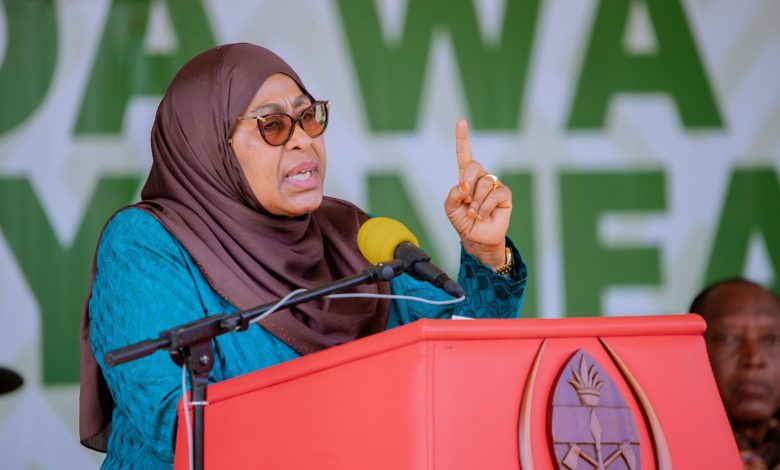
Their remarks follow recent comments by President Dr Samia Suluhu Hassan during the swearing-in ceremony of Mr Deogratius Ndejembi as Vice-President, where she said the Constitution had enabled Tanzania to undertake major leadership changes peacefully and without disrupting national order.
She said the occasion demonstrated the strength of Tanzania’s constitutional system, which allowed the country to make major leadership changes without experiencing unrest.
“The beauty of our Constitution is that we can change major positions without having turmoil, while maintaining peace and stability,” said President Samia.
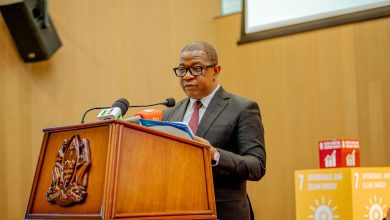
Kibakwe MP (CCM), Mr George Simbachawene supported the President’s assessment, saying recent political experiences had demonstrated the strength of the constitutional framework.
Speaking in a recent interview with a local television station, he cited the constitutional transfer of presidential power following the death of former President John Magufuli, as well as the recent resignation of Vice-President Dr Emmanuel Nchimbi, as clear examples.
“Basically, the strength of our Constitution, despite all the criticism, remains evident because it has taken us through difficult periods,” he said.
Mr Simbachawene said Tanzania managed to affect a constitutional transfer of presidential power and maintain government continuity following President Magufuli’s death without political instability, adding that few other countries would have navigated a similar period as smoothly.
He also pointed to Dr Nchimbi’s resignation as another example of the Constitution providing a clear and orderly path for leadership succession, culminating in the appointment and swearing-in of Mr Ndejembi without unrest.
“All these things were made possible by nothing else more than the Constitution that is in place,” he said.
Mr Simbachawene further noted that ongoing efforts to review the Constitution should not be seen as undermining its record.
“The Constitution that we intend to review does not mean that it is completely unfit. It deserves to be commended for taking us through these difficult periods and ensuring that our country remains safe,” he said.
ACT-Wazalendo Mainland Vice-Chairman Mr Isihaka Rashid Mchinjita also acknowledged the Constitution’s contribution to political order, noting that Tanzania has changed leaders through elections and successfully managed a constitutional transfer of power following the death of a sitting President.
“I agree with Mr Simbachawene that our Constitution has protected us up to this point,” he said, adding that continued reforms remain important for strengthening democratic governance going forward.
Political analyst Mr Hamiduni Maliseli echoed those views, saying the Constitution has helped Tanzania navigate sensitive periods without major political disruption.
He credited this partly to political tolerance and restraint among Tanzanians, particularly during difficult periods.
“The strength of our Constitution is undeniable, but we should also recognise the culture of tolerance and stability among Tanzanians,” he said.
Mr Maliseli added that changing political, economic and social circumstances, both locally and globally, underline the need for constitutional provisions that remain responsive to present-day realities, including economic and political demands.
He said Tanzania should therefore continue to preserve the strengths of the existing framework while pursuing reforms in areas that require improvement, ensuring the Constitution keeps pace with the times without losing the stability it has already proven capable of delivering.