Kenya’s wealth drained by corruption: How ordinary citizens pay the price
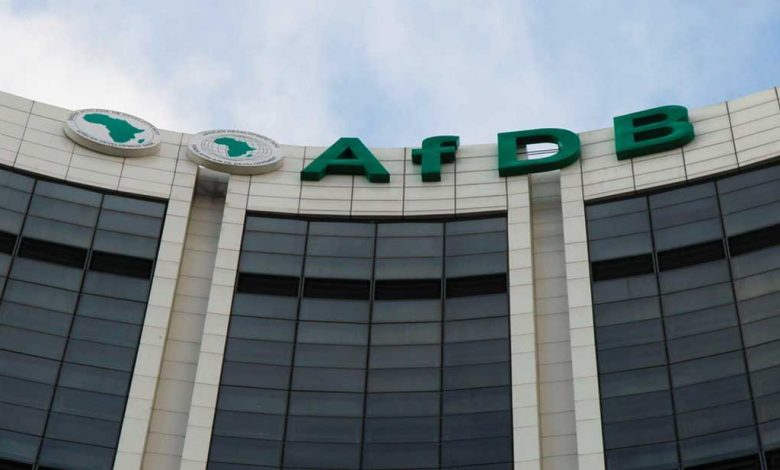
NAIROBI: KENYA is losing billions of dollars every year to corruption and graft and the costs are felt most acutely by ordinary citizens.
According to a recent African Development Bank (AfDB) report, illicit financial flows alone strip the country of up to $1.5 billion annually, money that could fund schools, hospitals, and roads.
Inefficient public spending drains another five per cent of GDP, and generous tax exemptions and incentives divert $800 million more into the pockets of elites.
For millions of Kenyans, these figures are not abstract, they are the empty classrooms, the broken roads, and the overcrowded clinics that define everyday life.
The report paints a picture of a country where state capture dominates, with political elites controlling lawmaking, enforcement, and economic decision-making.
In practical terms, this means contracts often go to well-connected companies rather than competent providers, projects stall, and investors stay away.
“Investors fear biased rulings, delays, and lack of transparency,” the AfDB notes, leaving the country starved of capital and opportunity.
For a small business owner in Nairobi or a farmer in Kisumu, this translates into fewer jobs, fewer markets, and stunted growth.
Kenya’s low ranking on Transparency International’s 2024 Corruption Perceptions Index, among countries like Sri Lanka, Angola, Ecuador, and Uzbekistan, underscores the depth of the problem.
ALSO READ: AfDB finances MeTL’s agro expansion
Corruption is not just a statistic; it is a lived reality. Families pay more for public services, young graduates struggle to find meaningful work, and communities are left waiting for basic infrastructure that never arrives.
As one Nairobi resident put it, “We see roads being built, but they are half-finished or disappear altogether. Who benefits? Not us.”
The social consequences are devastating. Poverty remains stubbornly high, unemployment is rampant, and inequality grows wider every year.
Economic growth exists on paper, but in the lives of ordinary Kenyans it often feels hollow.
People see the wealth around them, the gleaming buildings, the new developments, but cannot access it.
The AfDB warns that unless the government confronts corruption decisively, Kenya will remain trapped in a cycle of underdevelopment, dependency, and frustration.
This is not just an economic problem; it is a moral one. Every shilling siphoned away is a clinic not built, a school not equipped, a job not created.
Every loophole exploited by the powerful deepens the sense of injustice and erodes trust in institutions.