Kagera’s white gold: Region ripe for multi-billion shilling dairy, beef investment
KAGERA: WITH its lush pastures, fertile soil, and a strategic gateway to four East African nations, the Kagera Region is positioning itself as Tanzania’s next frontier for large-scale dairy and livestock investment.
Government officials and sector experts are now inviting local and foreign capital to unlock a sector currently operating far below its potential.
The Strategic Edge: A FourNation Gateway
Kagera’s primary competitive advantage lies in its geography. Sharing borders with Rwanda, Burundi, and Uganda, and accessible to Kenya via Lake Victoria, the region is a natural logistics hub for the Great Lakes market.
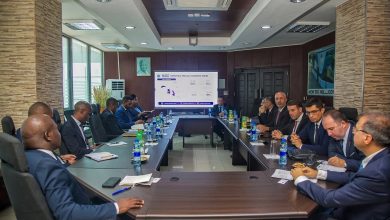
“The current increases in livestock supply will not meet future demand,” noted the Minister for Livestock and Fisheries, Dr. Bashiru Ally Kakurwa, during a recent tour.
“Large-scale investment is needed to provide the technical skills and capital required to run modern ranches, feedlots, abattoirs, and tanneries.”
The Vision 2050 Factor
The push for investment in Kagera is anchored in the Tanzania Development Vision 2050, which targets a one-trillion dollar economy.
The Ministry of Livestock and Fisheries is expected to contribute $100 billion toward that goal.
Currently, while the sector accounts for 30 per cent of domestic agricultural production, it contributes only 7.6 per cent to the national GDP.
To bridge this gap, the government is moving away from “prestige” herding toward “commercial” husbandry.
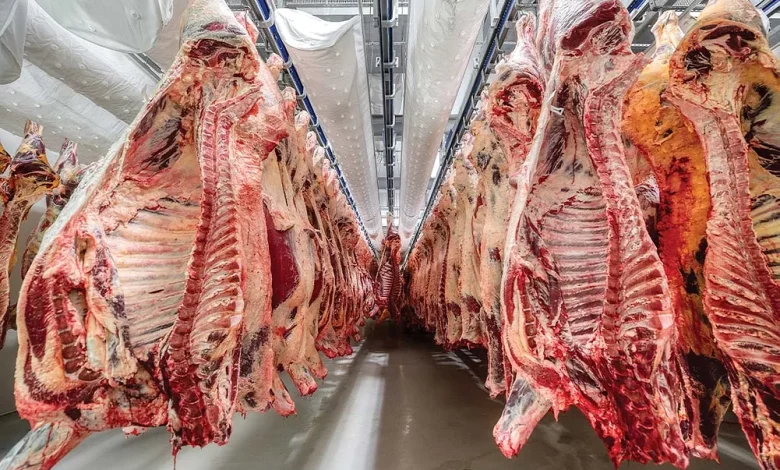
In 2024, Tanzania exported 14,000 metric tonnes of meat against a target of 50,000 tonnes.
Consumption Trends: Per capita meat consumption in Tanzania is expected to triple by 2030, driven by rapid urbanization and rising middle-class incomes across the continent.
ALSO READ: Kagera opens doors to dairy, beef investors as meat demand set to triple
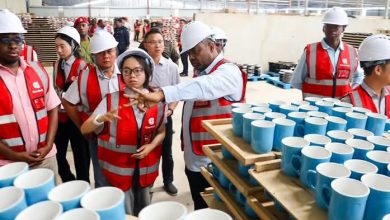
Kagera has already laid the groundwork for industrial-scale operations. The region has set aside 66,215.7 hectares specifically for dairy development under the Mwisa II Project.
Additionally, the National Ranching Company (NARCO) manages five massive ranches in the region: Missenyi: 60,851 hectares, Kagoma: 50,690 hectares, Kitengule: 41,700 hectares, Mabale & Kikulula: Over 26,000 hectares combined.
Currently, these ranches host approximately 49,212 cows, but the productivity remains modest.
Kagera’s 20,438 dairy cows produce roughly 20 million liters of milk annually—averaging just 5 liters per cow per day. Investors focusing on improved genetic breeds and modern feed production could see these yields double or triple.
Bridging the Infrastructure Gap
To support this “livestock revolution,” the government is partnering with the Tanzania Agricultural Development Bank (TADB) and Heifer International. Recent milestones include the launch of milk collection centers in Maruku (Bukoba), Nshamba (Muleba), and Kihanga (Karagwe).
Furthermore, a “Kopa Ng’ombe, Lipa Ng’ombe” (Borrow a cow, pay a cow) programme, led by Kahama Fresh Company, has already distributed over 600 improved heifers to local households, creating a steady “out-grower” supply chain for potential milk processing factories.
Minister Kakurwa has called on the Prime Minister’s Office (PO-RALG) and TANROADS to prioritize road construction in high-production livestock zones to ensure seamless market access.
“Livestock keepers should avoid holding large herds of unproductive cattle,” the Minister emphasized.
“Instead, they should adopt modern dairy keeping, which is more productive, economically viable, and provides the liquidity needed for household security.”
For the savvy investor, Kagera offers more than just land. It offers a high-multiplying-effect sector with ready-made demand in one of Africa’s fast