Kaberuka recounts struggle to launch Africa50
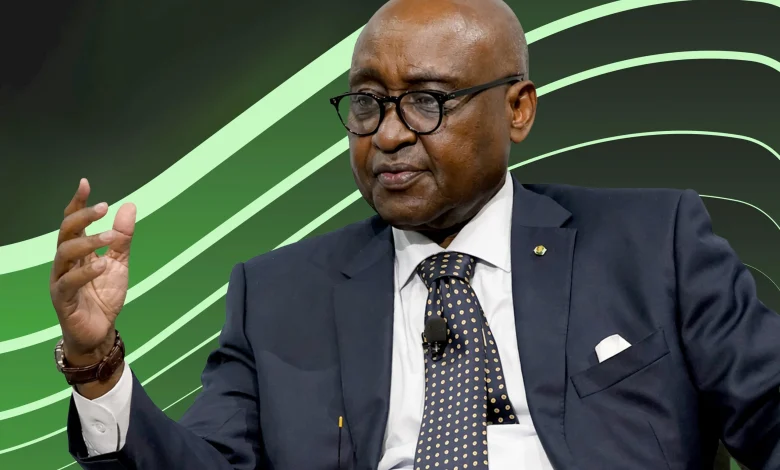
DAR ES SALAAM: FORMER President of the African Development Bank Group (AfDB), Donald Kaberuka, has revealed that establishing Africa50 required years of persuading African governments and institutional investors to embrace a bold vision of closing the continent’s massive infrastructure financing gap.
Speaking yesterday at the ongoing Africa50 General Shareholders’ Meeting (GSM) and Infra for Africa Forum in Dar es Salaam, which coincided with Africa50’s 10th anniversary, Dr Kaberuka said building the Pan-African infrastructure investment platform was one of the most challenging yet transformative initiatives undertaken during his tenure at the AfDB.
As one of the principal architects of Africa50, Dr Kaberuka said the institution was conceived at a time when Africa’s infrastructure needs had outgrown the financing capacity of traditional development finance institutions.
“There was a story to sell and there was convincing to do. You have to demonstrate that there is a credible institution, a reliable governance structure and a clear investment roadmap. That process takes time,” he said.
He said winning investor confidence was just as important as securing political support from African governments, noting that both were essential to turning the vision into reality.
Dr Kaberuka paid tribute to several African heads of state and government, including leaders from Morocco, Togo, Congo-Brazzaville, Kenya and Rwanda, for championing Africa50 during its formative years.
“Their support helped transform what initially appeared to be an ambitious concept into a continental institution now playing a significant role in infrastructure financing,” he said. He added that persistence was critical throughout the process.
“We had to convince both the market and governments. You cannot afford to become discouraged. If one approach does not work, you have to keep trying different ways until you succeed,” he said.
Dr Kaberuka said Africa50 was never intended to become just another financing institution but a credible investment platform capable of attracting long-term private capital into commercially viable infrastructure projects across the continent.
He said the initiative reflected the AfDB’s broader mission of creating institutions that mobilise investment and strengthen Africa’s development ecosystem.
“The bank was not simply there to finance projects. It was there to make things happen by creating institutions capable of mobilising additional investment,” he said.
Commending the current AfDB leadership under President Sidi Ould Tah, Dr Kaberuka said ongoing efforts to bring together Africa’s major financial institutions would further strengthen the continent’s financial architecture.
ALSO READ: Africa50 pledges to prepare more bankable projects to attract investors, financing
Reflecting on the circumstances that led to Africa50’s creation, Dr Kaberuka said Africa experienced a historic economic turning point between 2000 and 2005, recording positive real per capita income growth for the first time in four decades.
The renewed growth fuelled demand for roads, ports, railways, power plants and other critical infrastructure.
However, he noted that the financing needs quickly outpaced the lending capacity of multilateral development banks.
“No single institution, not even the World Bank, could finance Africa’s infrastructure needs alone,” he said.
He said that reality prompted the search for a platform capable of bridging the gap between bankable infrastructure projects and institutional investors managing trillions of dollars in long-term assets.
Dr Kaberuka also challenged the perception that Africa’s estimated 4 trillion US dollars in domestic savings could easily finance infrastructure development, explaining that much of the capital is held by pension funds, insurance companies, sovereign wealth funds and other institutional investors with strict fiduciary responsibilities.
“They are highly risksensitive investors. Someone has to stand in the middle and provide confidence, security, liquidity and acceptable returns before that capital can flow into infrastructure,” he said.
He stressed that de-risking investments remains one of Africa50’s most important functions, enabling private capital to participate in infrastructure projects that might otherwise struggle to secure financing.
Established in 2014, Africa50 accelerates the development and financing of bankable infrastructure projects while mobilising private sector investment to complement public resources in support of sustainable economic growth and regional integration across Africa.