IQEC 2026 opens with call for sustainable education financing
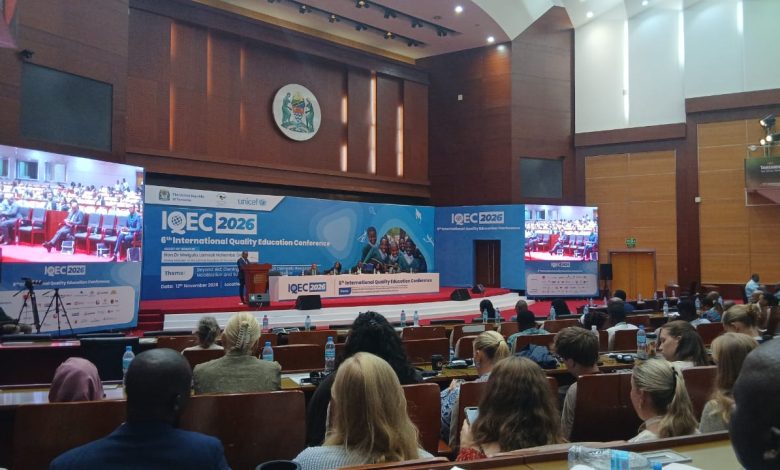
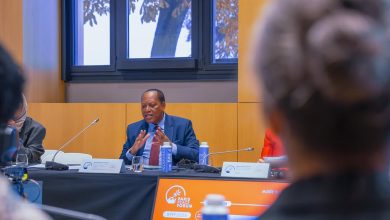
DAR ES SALAAM: THE Sixth International Quality Education Conference (IQEC 2026) has officially opened in Dar es Salaam, bringing together education stakeholders from Tanzania and other countries to explore sustainable financing strategies and reforms aimed at improving education systems across Africa.
Organised by the Tanzania Education Network (TEN/MET), the three-day conference, running from November 11 to 13, is being held under the theme, “Beyond Aid: Owning Our Future through Domestic Resource Mobilization and Sustainable National Resilience.”
The conference seeks to promote greater national ownership of education financing amid concerns over declining and increasingly unpredictable development assistance, rising public debt and competing government expenditure priorities.
It brings together policymakers, education leaders, researchers, development partners, civil society organisations, young people and other stakeholders to discuss practical approaches to ensuring sustainable, equitable and inclusive education systems.
Discussions on the first day highlighted the importance of strengthening intergenerational partnerships, integrating digital literacy into education and addressing inequalities that continue to affect learners, particularly girls and other vulnerable groups.
During an intergenerational youth dialogue, participants called for closer collaboration between older and younger generations, arguing that combining the experience and institutional memory of older people with the knowledge and perspectives of young people could help build more responsive education systems.
Youth advocate Raphael Charles said one of the major challenges facing Tanzania’s education system was the gap between academic qualifications and practical skills required in the labour market.
He said many young people completed their studies with certificates but lacked the practical experience and competencies needed to perform effectively in their respective professions.
He also cited weak collaboration between education institutions and the private sector, inadequate career guidance and limited recognition of skills acquired outside formal education as other challenges affecting youth employability.
Charles called for greater involvement of young people in decisions affecting their education and future, including policy development and programme implementation.
Other panellists emphasised the need to integrate digital literacy, critical thinking and responsible technology use into the education system while preserving cultural identity and traditional values.
They cautioned against excessive dependence on digital devices, particularly during early childhood, stressing the importance of maintaining access to books, practical learning and parental guidance in developing children’s thinking abilities.
The discussions also highlighted the need to ensure that digital transformation benefits learners in rural and underserved communities rather than widening existing inequalities.
In another discussion on gender-transformative education, participants called for a shift from merely achieving gender parity in school enrolment to ensuring that girls and boys enjoy equal opportunities to learn, participate and succeed.
Youth and gender advocate Mariam Albai Surve said access to education alone did not guarantee equal opportunities, noting that learners also needed safe learning environments and meaningful participation in decision-making processes.
She urged education stakeholders to involve young people from the initial stages of designing policies and programmes rather than treating them merely as beneficiaries.
Participants also called on development partners to rethink education financing by supporting long-term programmes, strengthening local ownership and ensuring that interventions are sustainable beyond donor funding.
Lydia Wilbard, a programme lead at Echidna Giving, said funders should consider long-term financing approaches, establish clear exit strategies and support initiatives that strengthen government systems.
She emphasised that sustainable change required patience, collaboration and investment in programmes addressing the underlying causes of educational inequalities.
ALSO READ: TEN/MET calls for greater stakeholder support for education ahead of IQEC 2026
The conference is expected to generate practical policy recommendations, strengthen regional partnerships and produce a “Hazina” Call to Action on inclusive, equitable and sustainable domestic resource mobilisation for education in Africa.
Other key areas scheduled for discussion include education governance and accountability, the future of development cooperation, teacher development, digital transformation, responsible artificial intelligence and skills development for young people.