Investing in health is Africa’s next liberation
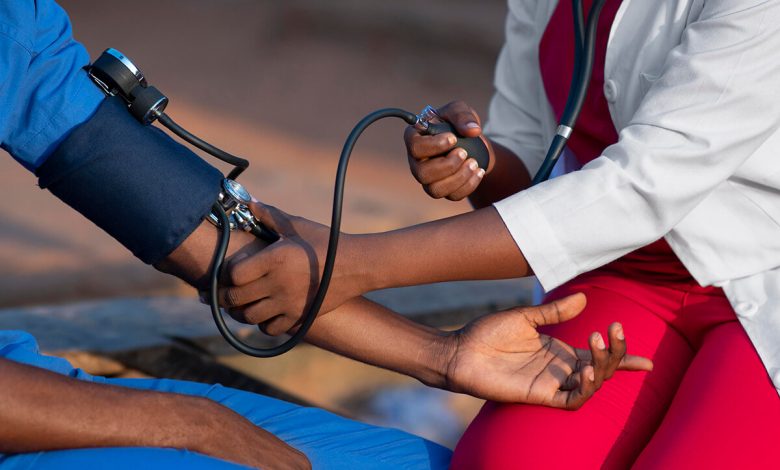
DAR ES SALAAM: PRESIDENT Samia Suluhu Hassan’s call for African nations to invest in specialised healthcare is timely and a policy recommendation.
It is a compelling vision for the continent’s next phase of liberation, one defined not by political sovereignty alone, but by the ability to care for its own people.
Speaking at the inauguration of the President Julius Nyerere Burn Treatment Hospital in Luanda, Angola, President Samia drew a powerful parallel between the struggle for political independence led by Africa’s founding fathers and the modern struggle for economic and social selfreliance.
Her message was clear: True independence is incomplete if African countries continue to depend on foreign hospitals for life-saving specialised treatment.
For decades, governments across the continent have spent millions of dollars sending patients abroad for advanced medical care.
While this has provided temporary solutions for some, it has also exposed the inadequacies of domestic health systems and drained resources that could have been invested in building local capacity.
Specialised hospitals, modern equipment, research institutions and skilled health professionals are not luxuries, they are essential pillars of national development.
The new President Julius Nyerere Burn Treatment Hospital is an encouraging example of what purposeful investment can achieve.
Beyond treating burn victims, the facility will serve as a centre for research, innovation and professional training, creating lasting benefits for Angola’s healthcare system.
ALSO READ: Tanzania sets stage for global dialogue on primary health care
Such institutions strengthen national resilience, while reducing dependence on external services. Equally significant is President Samia’s emphasis on collaboration.
Her proposal to facilitate exchanges between Tanzanian and Angolan medical specialists demonstrates that African countries possess valuable expertise that can be shared across borders.
Regional cooperation in training, research and technology transfer is essential to accelerating progress while reducing costs and avoiding duplication of efforts.
Tanzania’s own advances in specialised treatment for kidney disease, cancer and heart conditions illustrate that meaningful progress is possible when governments commit resources and political will.
Other African nations must draw lessons from these experiences, while adapting them to their own circumstances.
The decision to name the hospital after Mwalimu Julius Nyerere is also deeply symbolic. Nyerere championed African unity and collective self-reliance during the liberation era.
Today, honouring his legacy through an institution dedicated to saving lives reflects the enduring relevance of those ideals. Africa’s future prosperity depends not only on stronger economies but also on healthier populations.
Investing in specialised healthcare is, therefore, not simply a social obligation; it is an economic necessity and a strategic investment in the continent’s independence.
The time has come for African nations to make health self-reliance a shared continental priority