

ICTC sees rapid growth in Tanzania’s digital economy as it easily lures global investors
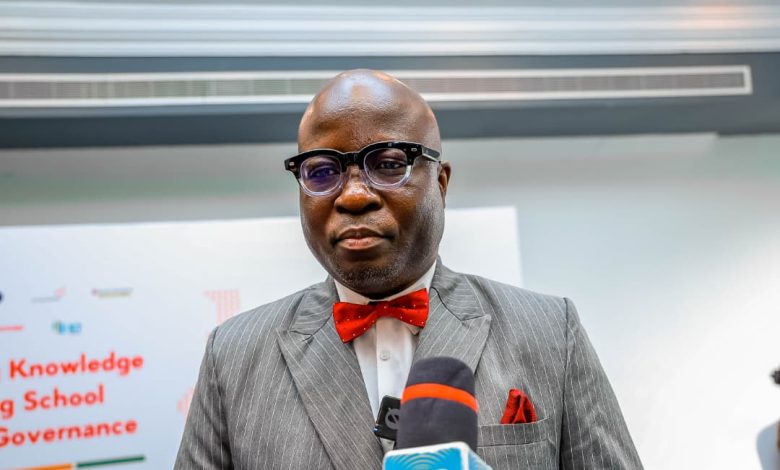
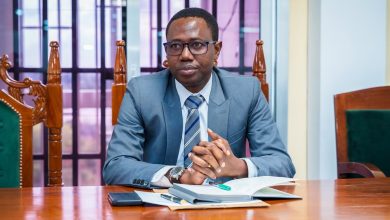
DAR ES SALAAM: The Director General of the Information and Communication Technologies Commission (ICTC), Dr Nkundwe Mwasaga, has said that Tanzania’s digital economy continues to grow rapidly, attracting investors from various countries around the world. He noted that the Commission is responsible for registering startups and ICT companies, as well as promoting investment in the sector.
He explained that there is a fundamental difference between e-government and e-governance, stating that e-governance refers to the digital management of the entire national system. He said this framework includes the public sector, private sector, technology startups, and other stakeholders in the digital economy.
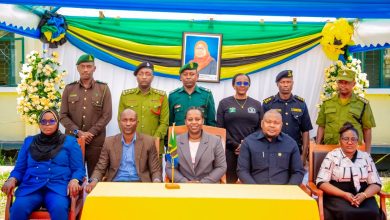
Speaking in Dar es Salaam during a workshop jointly organized by HSE University, the Government of Russia, Tanzania’s ICT Commission, and the United Nations, he said the event demonstrates that Tanzania continues to be a major attraction in the digital economy.
He added that many international companies have shown interest in entering the Tanzanian market, noting that the country’s strategic position in East and Southern Africa places it at a key point within global digital infrastructure networks.
Dr Mwasaga said Tanzania has also continued to attract companies from Russia that are interested in collaborating with local firms in various technology investments, adding that such partnerships are expected to benefit both sides.
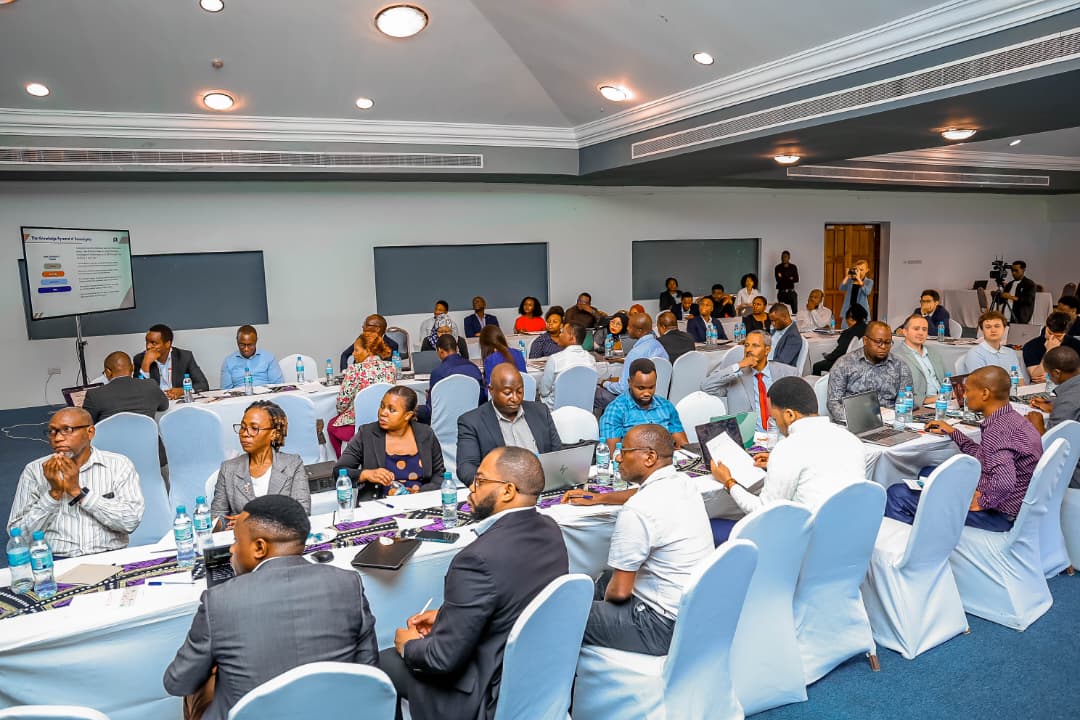
He further stated that the government is improving digital governance through a new report being launched, which highlights progress made as well as areas requiring further reforms in the country’s digital governance framework.
He noted that Tanzania continues to attract investment in communication infrastructure, including submarine cables and the construction of data centres. He said some international companies are considering relocating operations to Tanzania due to its favorable investment environment.
On startups, Dr Mwasaga said ICTC registers them under three categories: silver, gold, and tanzanite, with tanzanite startups already capable of competing in international markets and representing Tanzania abroad.
ALSO READ: Government drives digital economy
He said the workshop has created opportunities for Tanzanian startups to collaborate with Russian counterparts to exchange experience and technology, emphasizing that digital governance continues to grow and remains a key pillar of the National Development Vision 2050.
For his part, the Coordinator of Russia’s digital governance program in Africa, Andrey Maslov, said Tanzania has significant potential to use digital systems to accelerate economic development and achieve the goals of Vision 2050.
He said the program aims to share international experience in digital governance with African countries to support economic and social transformation through technology.
Maslov noted that the timing of the initiative is appropriate, stating that Russian expertise and international experience can strengthen cooperation between Russian institutions, Tanzania, and other African countries participating in the program.
Regarding the National Development Vision 2050, which is expected to be launched in July this year, he said it demonstrates the government’s commitment to using technology as a central tool for development transformation rather than merely creating an enabling environment for investment.
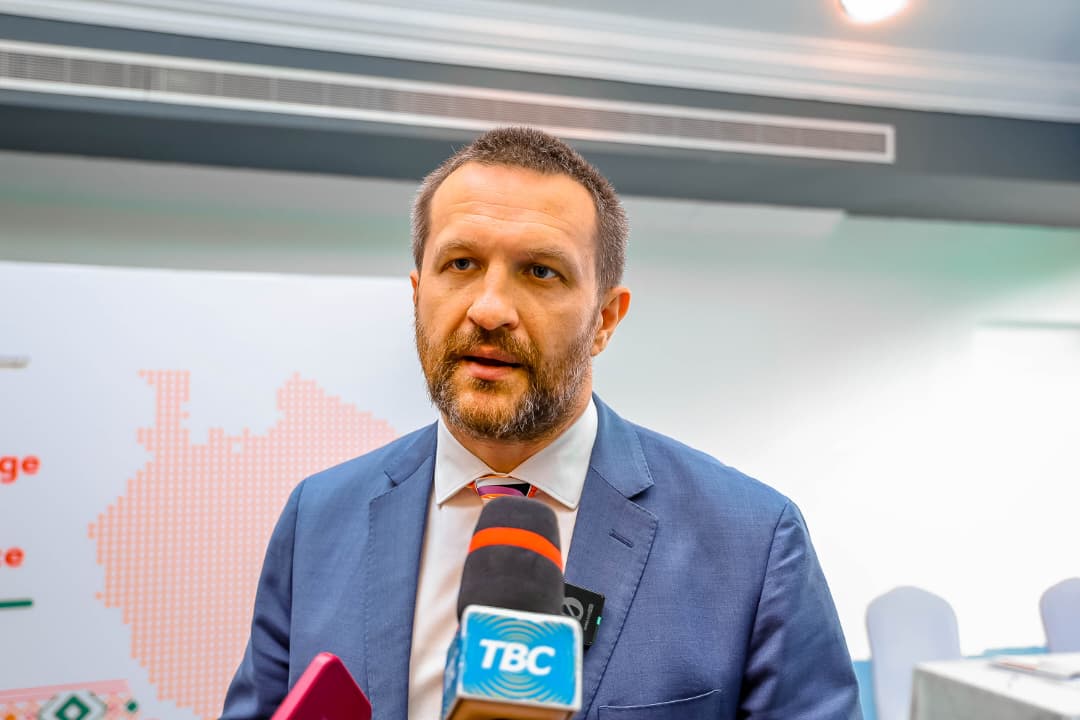
He added that digital systems will enhance government efficiency, accelerate development, and support the goal of achieving a trillion-dollar economy by 2050.
However, Maslov acknowledged that the implementation of digital governance faces several challenges, including cybersecurity risks, data management, and a shortage of skilled professionals in the technology sector.
He said digital security now affects all critical sectors, including food, energy, and the economy, emphasizing the need for countries to invest in robust systems for data collection, processing, and protection to safeguard national development.

{İstanbul|Fatih|Beşiktaş|Kadıköy|Şişli|Bakırköy|Ataşehir|Taksim|Levent|Pendik|Florya|Nişantaşı} bölgesindeki {en seçkin|en lüks|vip} {konaklama|gece hayatı|otel transfer} ve {bağımsız modeller|vip partner|escort bayan} seçenekleri hakkında {harika|çok detaylı|faydalı} bir {rehber|içerik|paylaşım} olmuş. {Özellikle otel karşılama|VIP seyahat rehberi|7/24 iletişim hattı} arayanlar şu adresten güncel {kataloğu|portföyü|ilanları} inceleyebilir: {https://sites.google.com/view/fatih-tarihi-yarimada|https://sites.google.com/view/bostanci-sahil-promenad|https://sites.google.com/view/levent-is-merkezleri|https://sites.google.com/view/pendik-sabiha-gokcen-gezi|https://sites.google.com/view/kartal-sahil-parki|https://sites.google.com/view/zeytinburnu-sahil-yolu|https://sites.google.com/view/bahcelievler-gezi-rehberi|https://sites.google.com/view/bagcilar-is-merkezi|https://sites.google.com/view/kagithane-cendere-vadisi|https://sites.google.com/view/beyoglu-istiklal-rehberi|https://sites.google.com/view/florya-sahil-tesisleri|https://sites.google.com/view/nisantasi-butik-gezi|https://sites.google.com/view/besiktas-sahil-rehberi|https://sites.google.com/view/kadikoy-moda-gezi-rehberi|https://sites.google.com/view/sisli-istanbul-gezi-rehberi|https://sites.google.com/view/bakirkoy-sahil-gezi-rehberi|https://sites.google.com/view/atasehir-finans-rehberi|https://sites.google.com/view/beylikduzu-gezi-rehberi|https://sites.google.com/view/maltepe-sahil-parki|https://sites.google.com/view/umraniye-gezi-rehberi|https://sites.google.com/view/uskudar-sahil-rehberi|https://sites.google.com/view/mecidiyekoy-gezi-rehberi|https://sites.google.com/view/sariyer-bogaz-gezi-rehberi|https://sites.google.com/view/gokturk-kemerburgaz-gezi|https://sites.google.com/view/istanbul-gece-hayat-rehberi|https://sites.google.com/view/taksim-gece-hayati} – ({İstanbul VIP Escort & Model Rehberi|Fatih Escort İlanları|Beşiktaş VIP Escort|Kadıköy Escort İlanları|Şişli VIP Escort}). {Teşekkürler|Elinize sağlık|Başarılar}. [vkskktmmrvktmcaksj]