From water to wealth: Unlocking Tanzania’s blue economy
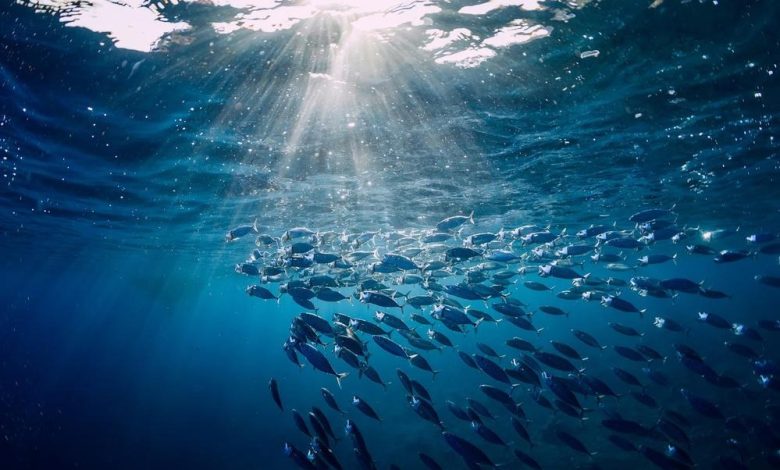
DODOMA: TANZANIA is endowed with abundant marine and freshwater resources that hold enormous potential for accelerating economic growth, improving livelihoods, creating employment opportunities, and enhancing environmental sustainability. With over 1,400 kilometres of coastline along the Indian Ocean, major lakes including Victoria, Tanganyika and Nyasa and numerous rivers and wetlands, the country is well positioned to harness the opportunities offered by the blue economy.
However, despite this rich natural endowment, the full economic value of these aquatic resources remains largely underutilised.
The blue economy refers to the sustainable use of oceans, seas, lakes, rivers and other water resources to promote economic development while ensuring the long-term health of aquatic ecosystems. Unlike traditional approaches that often prioritise resource extraction, the blue economy seeks to balance economic growth with environmental conservation and social inclusion.
It encourages countries to generate wealth from fisheries, aquaculture, maritime transport, tourism, renewable energy, biotechnology and other waterbased industries without degrading the natural resource base upon which future generations depend.
For Tanzania, the blue economy presents an opportunity to diversify the economy beyond traditional sectors such as agriculture and mining. The country’s strategic location along the Indian Ocean provides access to regional and international markets through maritime trade.
The Port of Dar es Salaam serves as a major gateway for several landlinked neighbouring countries, making maritime transport and port services an important contributor to national development. Continued investment in ports, shipping services and logistics can strengthen Tanzania’s position as a regional trade hub while stimulating industrial growth and employment.
The fisheries sector remains one of the most important pillars of the blue economy. Millions of Tanzanians depend directly or indirectly on fishing for food, income, and employment. Fish provide an affordable source of protein for many households and contribute significantly to national food security.
Expanding sustainable fisheries management, reducing illegal fishing and promoting value addition through fish processing can increase incomes while conserving fish stocks for future generations. Furthermore, the blue economy agenda provides an opportunity to formalise fisheries activities across the country, particularly among small-scale and inland fishing communities where informal practices remain common.
Formalisation can improve access to markets, credit, extension services and modern fishing technologies while strengthening compliance with fisheries regulations and enhancing the sustainable management of aquatic resources.
Aquaculture also offers tremendous opportunities. As demand for fish continues to rise due to population growth, fish farming provides an alternative to overexploiting natural fisheries. Investment in modern aquaculture technologies, quality fish feeds, improved breeding techniques and extension services can increase production, reduce imports, create jobs for young people, and improve household incomes, particularly in rural communities.
Tourism is another sector that stands to benefit from a well-developed blue economy. Tanzania’s coastal areas, coral reefs, mangrove forests, marine parks, beaches and islands such as Zanzibar, Mafia, and Pemba attract thousands of domestic and international tourists each year. Sustainable marine tourism generates foreign exchange earnings while creating employment for local communities through hotels, restaurants, tour operations, transport services, and handicraft businesses. Protecting marine biodiversity therefore becomes both an environmental responsibility and an economic investment.
Healthy marine and freshwater ecosystems also provide essential environmental services. Mangrove forests protect coastlines from erosion, storm surges, and rising sea levels while serving as breeding grounds for fish and other marine species. Coral reefs support fisheries and tourism while acting as natural barriers against powerful ocean waves. Wetlands improve water quality, reduce flooding and provide habitats for wildlife. Conserving these ecosystems is therefore fundamental to climate change adaptation, biodiversity conservation and sustainable development.
The blue economy also creates opportunities for innovation and investment. Emerging sectors such as marine biotechnology, seaweed farming, renewable ocean energy and marine research have the potential to generate new industries and high-skilled employment. Tanzania has already made progress in seaweed farming, particularly in Zanzibar, where thousands of women earn livelihoods from seaweed production. Supporting research, innovation and entrepreneurship can unlock even greater economic opportunities from aquatic resources.
Climate change, however, poses significant challenges to the blue economy. Rising sea levels, coastal erosion, ocean warming, pollution and declining fish stocks threaten livelihoods and marine ecosystems. Unsustainable fishing practices, plastic pollution and degradation of mangrove forests further reduce the productivity of aquatic resources. Addressing these challenges requires stronger environmental governance, effective law enforcement, investment in climate adaptation and active participation by coastal communities in resource management.
Realising the full potential of the blue economy also depends on good governance and sound public policies. Government institutions, private investors, researchers and local communities must work together to promote sustainable resource use. Investment in education and skills development is equally important to prepare young people for careers in fisheries, marine science, maritime transport, tourism and other blue economy sectors. Universities and research institutions have a critical role in generating knowledge and innovative technologies that support sustainable management of aquatic resources.
From an environmental economics perspective, investing in the blue economy is not merely about increasing production or generating revenue. It is about managing natural capital wisely so that economic benefits can be sustained over the long term. Protecting aquatic ecosystems today reduces future environmental degradation, strengthens resilience to climate change and lowers the economic costs associated with resource depletion and ecosystem restoration.
ALSO READ: Zanzibar boosts Blue economy drive
The success of Tanzania’s blue economy will ultimately depend on balancing economic growth with environmental stewardship. Development should not come at the expense of healthy oceans, lakes, rivers and coastal ecosystems. Instead, sustainable resource management should remain at the centre of national development planning.
As Tanzania pursues its long-term development aspirations, the blue economy offers a unique pathway towards inclusive and sustainable growth. By investing in sustainable fisheries, aquaculture, maritime transport, marine tourism, ecosystem conservation, innovation and climate resilience, the country can create employment, improve food security, increase export earnings and strengthen environmental sustainability. Harnessing the blue economy is therefore not simply an environmental priority; it is an economic imperative that can help shape a more prosperous and resilient Tanzania.