Human capital investment seen as path to sustainable growth
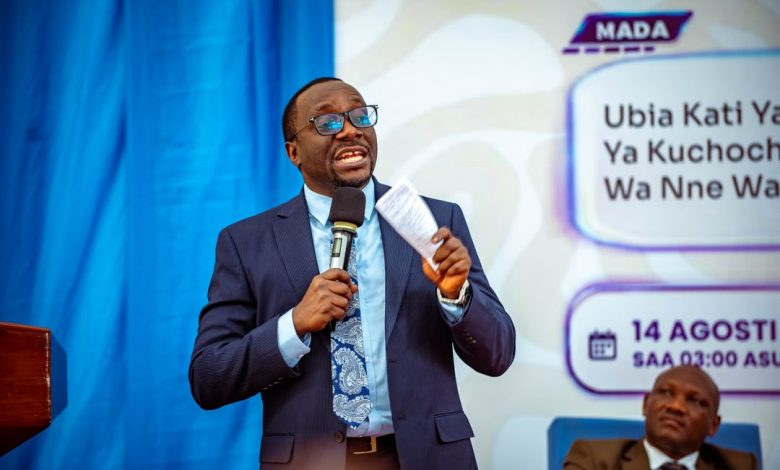
ARUSHA: THE Executive Director of the Public-Private Partnership Centre (PPP Centre), David Kafulila, has explained that the greatest investment any nation can make is in the quality of its human capital, stressing the importance of investing in people as a foundation for sustainable development.
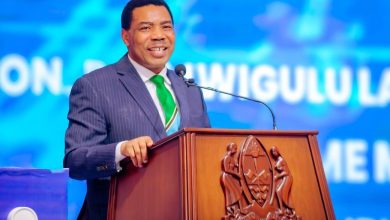
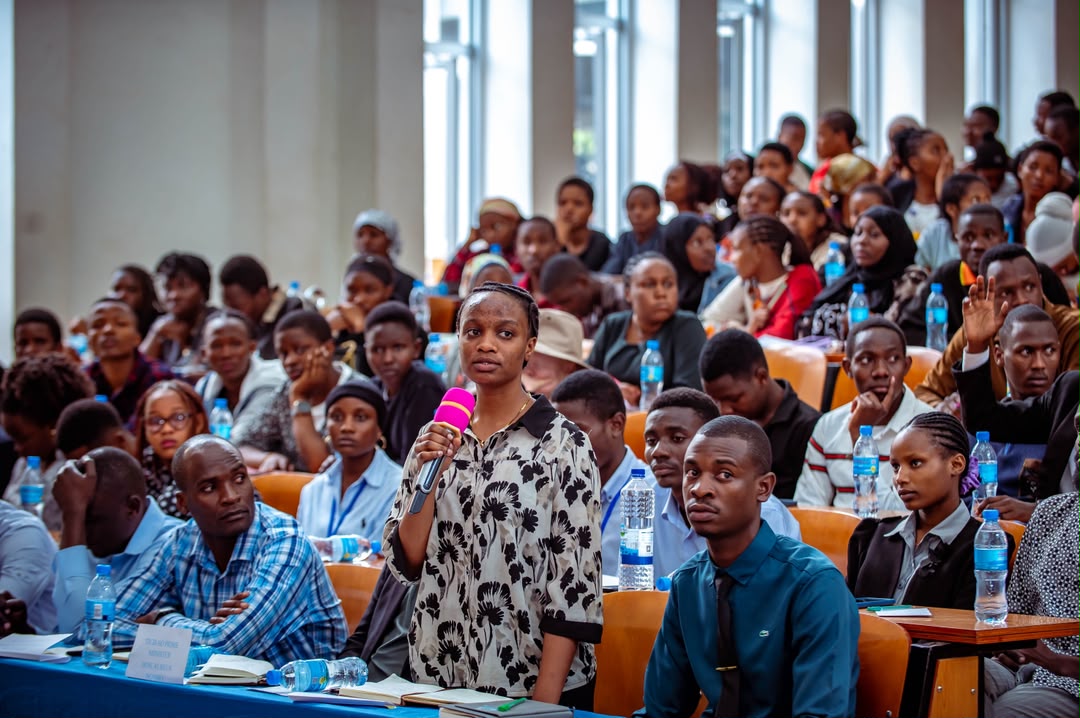
Kafulila made the remarks while addressing lecturers and students during a public lecture held on August 14, at the Tengeru Institute of Community Development (TICD) in Arusha.
He revisited the history of the country’s liberation struggle, making it clear that the foundations of people-centred development were laid by the Father of the Nation, Mwalimu Julius Nyerere, from the very beginning of the struggle for independence.
He cited Mwalimu Nyerere’s historic 1958 speech before the United Nations (UN), in which Nyerere explained that Tanganyikans’ demand for self-rule was not driven by hatred or racial discrimination against British colonialists, but by the fact that colonial rule had failed to eliminate the three major enemies of development: ignorance, disease and poverty.
Kafulila added that Nyerere’s perspective contributed to shaping the global development agenda, from the Millennium Development Goals (MDGs) to the current Sustainable Development Goals (SDGs).
He explained that when a country develops major projects such as roads, bus terminals, social service infrastructure and bridges through public-private partnerships (PPPs), the underlying objective is people-centred development, as such infrastructure enhances people’s ability to engage in productive activities in their daily lives.
He further said the principles of people-centred development established by the Father of the Nation have continued to guide successive administrations. “That is why we see our country’s leadership placing strong emphasis on ensuring economic growth so that it can deliver results for the majority,” Kafulila said.
The PPP Centre executive director identified three key factors that determine the quality of human capital in today’s world: proper nutrition, healthcare and knowledge.
He stressed that a person who is well developed in these three areas becomes an engine of economic growth and national cohesion, with the ability to create solutions even in situations where there appears to be no hope.