How secure land rights empower rural women
DAR ES SALAAM: FOR generations, rural women have faced deep-rooted cultural barriers that limit their access to land, one of the most important assets for earning a living, feeding their families and achieving economic independence. In many communities, widows are among the most vulnerable, often losing the right to the land they cultivated for years after the death of their husbands.
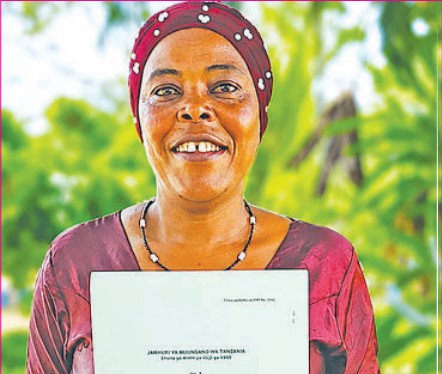
That was the reality for Asia Gudo, a widow and mother of three from Ilunda Village in Singida Region. “When my husband passed away, I was stopped from planting, harvesting or producing anything. Without land, I had no income and no way to sustain my children,” she recalled.
For Gudo, losing the land meant losing her family’s main source of income. She struggled to provide food, pay school expenses and meet other basic needs, while the uncertainty about the future weighed heavily on her.
Her turning point came in 2023 when she joined the Joint Programme on Accelerating Progress Towards Rural Women’s Economic Empowerment (JP-RWEE), implemented by FAO, IFAD, UN Women and WFP with local partners in Ikungi District.
Through the programme, she received training on women’s land rights, good agricultural practices, climate-smart farming and financial management, while community dialogues helped challenge long-standing beliefs that denied women equal access to land.
“For the first time, I understood my rights. These awareness sessions changed mindsets in our families and our whole community,” she said.
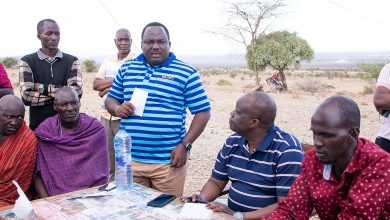
Armed with new knowledge, Gudo was able to engage her family in discussions about her rights. With support from trained Gender Champions, disputes were resolved peacefully and her family agreed to formally allocate and measure the land she had depended on for years. The initiative also worked with village leaders, land officers and community committees to raise awareness of women’s land rights and resolve land disputes.
More than 26,800 community members have participated in the awareness sessions, while in 2024 alone, 311 women in Ikungi District received Customary Certificates of Right of Occupancy, including 271 in their own names and 40 jointly with their spouses.
From survival to stability
Today, Gudo farms sunflower and sorghum with confidence, no longer fearing eviction from her land. The improved harvests and income have enabled her to continue building her house, purchase another plot of land and buy five cattle, with plans to expand into commercial livestock keeping. She credits the agricultural training she received with transforming the way she farms.
ALSO READ: Harvesting success through sunflower oil
“Before, we farmed by tradition. Now I know how to use certified seeds, plant properly and manage soil,” she said. “My harvests have improved, and I am farming with knowledge, not just hope.” Beyond farming, Gudo also learned entrepreneurship and financial management skills that have strengthened her household income and improved her confidence as a businesswoman. Her success has also earned her respect within the community.
She now serves as a training facilitator for a collective savings group, where she mentors other women and encourages them to understand and claim their rights.
Passing the knowledge on
Although her own life has changed, Gudo believes many widows in rural communities still face the same challenges she once did.
She hopes awareness campaigns on women’s land rights will continue to reach more villages where cultural norms still prevent women from owning or controlling land.
“Many women lose everything when their husbands pass away. This knowledge must reach them,” she said. Today, Gudo no longer worries about losing the land that feeds her family. Instead, she is helping other women understand that secure land rights are about more than ownership. They provide dignity, confidence and the opportunity to build a better future for themselves and their children.