Gulf crisis threatens Tanzania economy

DAR ES SALAAM: THE government has warned that the ongoing conflict involving Iran and the Gulf region could negatively affect Tanzania’s economy through rising fuel prices, higher transport costs and disruptions in global supply chains.
Speaking during the Consultative Meeting on the Assessment of Economic Impacts on Tanzania Arising from the Gulf Crisis in Dar es Salaam.
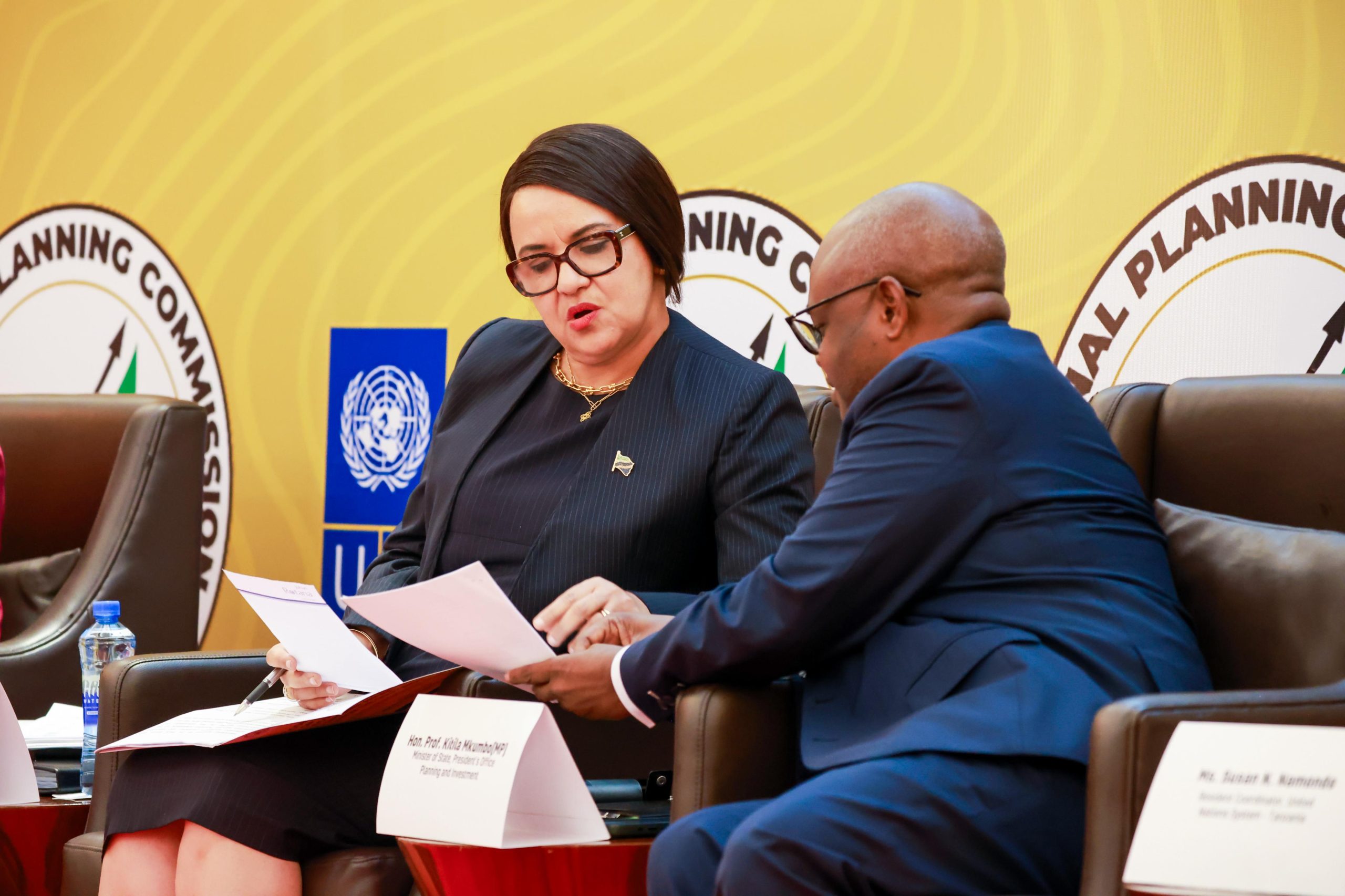
Prof Mkumbo said the government is closely monitoring the situation and continues to implement measures aimed at strengthening energy security and protecting the economy from external shocks.
He noted that the crisis has affected global energy markets and increased uncertainty in trade and investment.
The meeting was organised by the National Planning Commission (NPC) in collaboration with the United Nations Development Programme (UNDP) Africa Region and the United Nations Resident Coordinator’s Office in Tanzania.
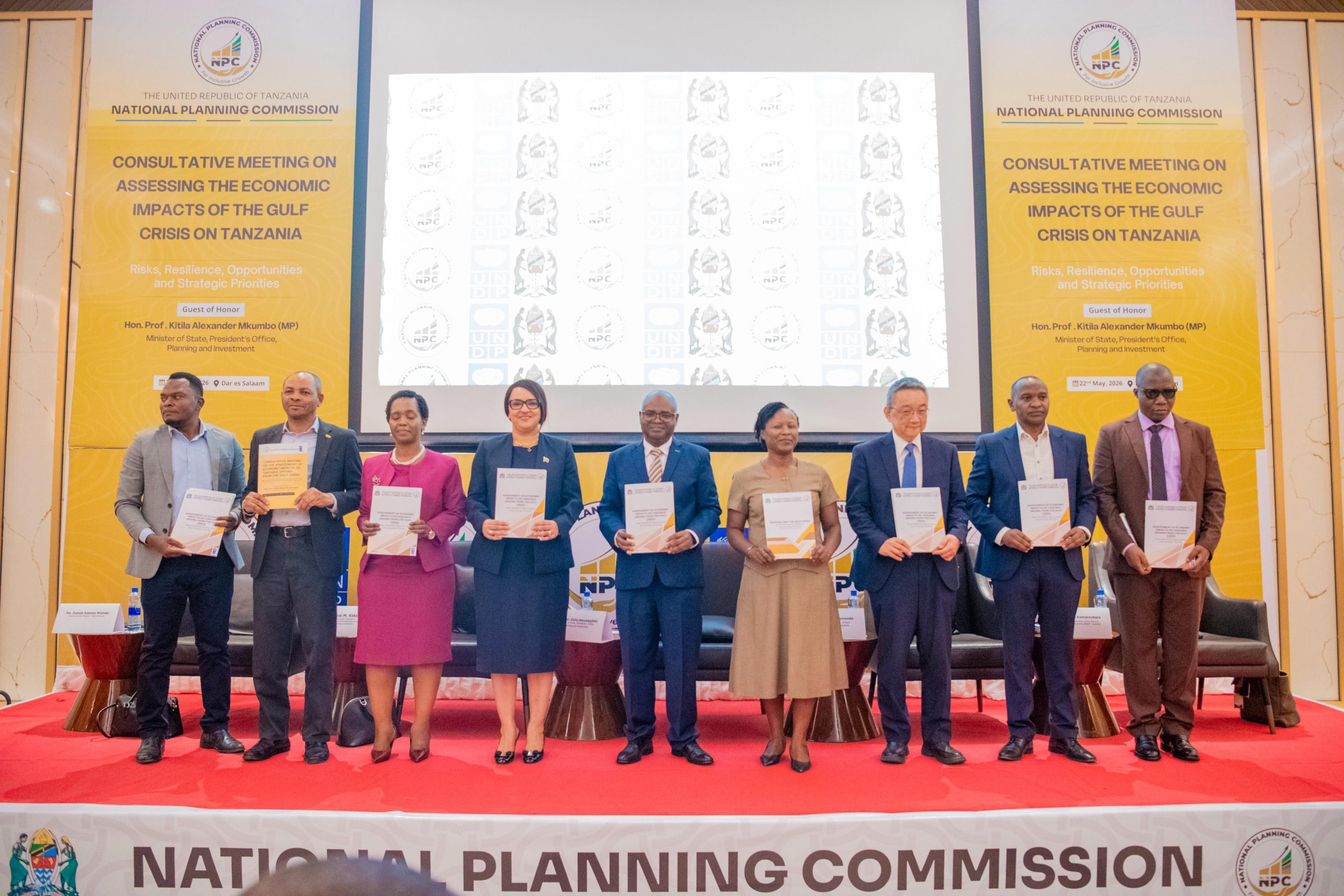
Speaking at the meeting, Permanent Secretary Planning and Executive Secretary National Planning Commission Dr. Tausi Kida said Tanzania remains vulnerable because it depends on imported petroleum products from Gulf countries such as Saudi Arabia and the United Arab Emirates.
She said the assessment focused on fuel prices, fertiliser supply chains, inflation, trade, investment flows and household welfare.
Dr Kida said disruptions in global energy markets, shipping routes and logistics systems are already increasing production costs and putting pressure on household incomes and development financing.
However, she said the crisis also presents opportunities for Africa to attract investment in oil and gas, strengthen refining capacity and expand intra-African trade under the African Continental Free Trade Area (AfCFTA).