

Green Energy in Tanzania: Are we moving fast enough?
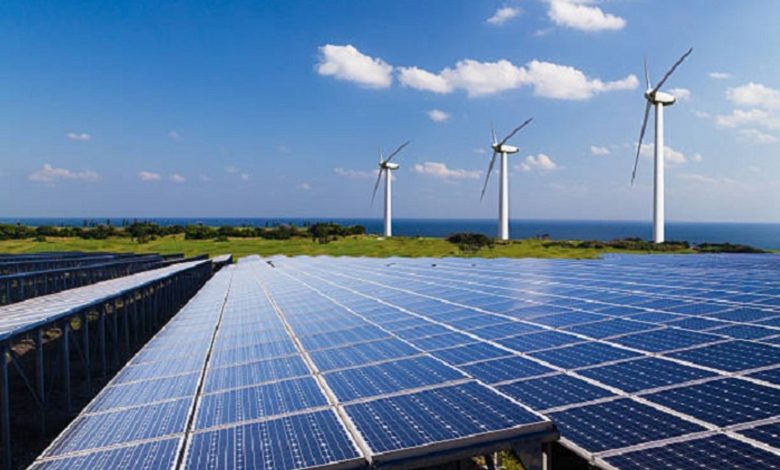
DAR ES SALAAM: THE sun blazes down on Tanzania, a powerful, unwavering energy source. From the verdant slopes of Kilimanjaro to the azure waters of the Indian Ocean, our nation is blessed with an abundance of natural resources.
Among these, the potential for renewable energy solar, wind, geothermal and hydro stands out as a beacon of hope for a sustainable and prosperous future.
Yet, as we witness the accelerating global shift towards green energy, a pertinent question arises: in Tanzania, are we moving fast enough? The imperative to transition to green energy is multifaceted. Environmentally, it is an undeniable necessity.
Climate change is not a distant threat; it is a present reality, impacting our agricultural yields, exacerbating droughts and contributing to extreme weather events. Relying on fossil fuels, while historically significant, perpetuates a cycle of carbon emissions that our planet can no longer afford.
Socially, expanding access to clean and affordable energy can be a transformative force, especially in rural areas where electrification rates remain a challenge. Imagine schools powered by solar, health clinics with reliable electricity for refrigeration and small businesses thriving with consistent energy supply.
Economically, green energy offers a path to energy independence, reducing our susceptibility to volatile global oil prices and fostering a vibrant domestic industry centred on renewable technologies. Tanzania has indeed made commendable strides in embracing renewable energy, particularly hydropower.
Our vast network of rivers has long been harnessed to provide a significant portion of our electricity. The ongoing construction of the Julius Nyerere Hydropower Project (JNHPP) exemplifies a monumental commitment to bolstering our energy generation capacity with a clean source.
This project, once completed, promises to significantly reduce our reliance on thermal power and provide a stable base load for our national grid. Beyond large-scale hydro, there’s a growing buzz around solar energy.
ALSO READ: REA affirms commitment to expand rural electrifications
The ubiquitous nature of sunlight across Tanzania makes solar a uniquely democratic energy source. We’ve seen an increase in off-grid solar solutions for homes and small businesses, particularly in areas not connected to the national grid.
Government initiatives and the involvement of private sector players have facilitated the distribution of solar home systems, bringing light and power to previously underserved communities.
Similarly, the potential for wind energy, especially in coastal regions and high-altitude areas, is being explored, with pilot projects offering promising results. Geothermal energy, drawing on our nation’s East African Rift Valley geology, also presents a substantial, untapped resource for base load power.
However, despite these encouraging developments, the pace of our green energy transition warrants a critical examination.
The sheer scale of our energy demand, coupled with the ambitious goals of industrialisation and universal energy access, means that we need to accelerate our efforts significantly. While JNHPP is a gamechanger, relying heavily on a single large project, however impressive, carries inherent risks.
Diversification across various renewable sources is crucial for energy security and resilience. One key area where we need to pick up the pace is in attracting greater private sector investment.
While the government plays a vital role in creating an enabling environment and undertaking large-scale projects, private capital and expertise are indispensable for a rapid and widespread deployment of green energy solutions.
This requires a robust and predictable regulatory framework, clear and attractive investment incentives and streamlined bureaucratic processes. Investors need confidence that their investments will be secure and yield reasonable returns. Furthermore, we need to foster local innovation and capacity building.
While importing technology is necessary in the initial stages, true energy independence will come from our ability to design, manufacture, install and maintain green energy systems ourselves.
This necessitates investing in education and vocational training programmes to equip our youth with the skills needed for a thriving green energy economy. Local content requirements, thoughtfully implemented, can also play a role in stimulating domestic manufacturing and job creation. Public awareness and adoption are equally critical.
While many Tanzanians are embracing off-grid solar, a broader understanding of the benefits of renewable energy and how individuals and communities can participate in the transition is essential.
Government and civil society organisations have a role to play in educating the public, showcasing successful green energy projects and demystifying the technologies involved. In conclusion, Tanzania is on a promising path towards a greener energy future.
Our natural endowments are immense and the commitment to major hydropower projects is evident. However, to truly capitalise on our potential and to keep pace with the urgent global need for climate action, we must accelerate our efforts.
This means fostering a more conducive environment for private investment, nurturing local capacity and innovation and enhancing public engagement.
The sun, wind and water are waiting. The question is no longer if we should embrace green energy, but how quickly and comprehensively we can do so to illuminate every corner of our nation and power our sustainable development journey. The time for rapid acceleration is now.

799100 992984I wanted to say Appreciate providing these details, youre doing an excellent job with the internet site… 488623
316126 799922This design is steller! You clearly know how to keep a reader amused. Between your wit and your videos, I was almost moved to start my own weblog (properly, almostHaHa!) Fantastic job. I genuinely enjoyed what you had to say, and more than that, how you presented it. Too cool! 890180
716517 169445It is a shame you dont have a donate button! Id most certainly donate to this outstanding internet internet site! I suppose inside the meantime ill be happy with bookmarking and putting your Rss feed to my Google account. I look forward to fresh updates and will share this blog with my Facebook group: ) 900089