Govt tightens rules for PPPs
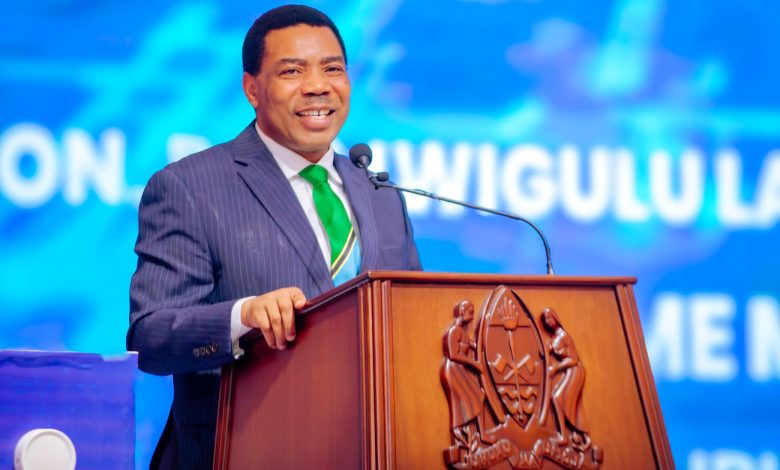
ARUSHA: PRIME Minister Dr Mwigulu Nchemba has ordered government institutions to stop entering Public-Private Partnership (PPP) negotiations without properly prepared projects, warning that weak planning leaves Tanzania exposed to unfavourable investment deals and slows implementation of national development priorities.
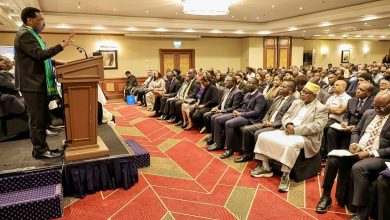
The directive came yesterday as he opened and closed the Second National Planners’ Conference 2026 in Arusha, where he called for a fundamental shift from routine planning to disciplined implementation backed by sound technical preparation, measurable results and stronger private-sector participation.
Dr Nchemba said government institutions should complete project designs, feasibility studies, cost estimates and financial assessments before approaching investors, arguing that negotiations become difficult when officials depend on information prepared by private companies.
“You can attract more PPPs, but that comes much later. What comes first is to prepare the project properly,” he said.
He said some institutions enter negotiations without documents showing project costs, implementation timelines or the period investors would need to recover their investments, leaving the government negotiating from a weaker position because investors often arrive with their own designs and financial models.
The Prime Minister directed planners to identify projects suitable for PPP financing early in the planning process, instead of considering private-sector participation only after projects have been incorporated into government budgets.
He also called for a change in how both government institutions and the public perceive private investment, saying Tanzania cannot achieve its longterm development ambitions without a stronger private sector.
According to him, Dira 2050 targets the private sector to implement 70 per cent of development activities, making it necessary to move beyond the perception that only government-led projects represent patriotic development.
“To fight poverty and the problem of unemployment among young people, we must have a strong private sector,” Dr Nchemba said.
He further directed planners to strengthen the link between policies, development plans and budgets, warning against ministries seeking budget reallocations shortly after annual budgets have been approved because such practices expose weaknesses in planning.
Drawing from previous government projects, he said inadequate preparation often results in changing designs during implementation, leading to delays, unfinished projects and unnecessary public expenditure.
Beyond project preparation, Dr Nchemba directed planners to make monitoring and evaluation central to implementation, saying development programmes should be judged by measurable achievements rather than activity alone.
“We need to measure how successful we have been in implementation,” he said.
He said clear performance indicators would help determine whether projects are delivering their intended outcomes while enabling officials to make timely adjustments during implementation.
The Prime Minister also pointed to reforms at the port as an example of disciplined implementation producing tangible results, saying container handling had increased from about 16,000–17,000 containers to more than 57,000 alongside higher revenue.
ALSO READ: Bunge pushes PPPs to improve urban cleanliness
He attributed the progress to reforms championed by President Dr Samia Suluhu Hassan, saying similar commitment should guide implementation across other sectors.
Earlier, Minister of State in the President’s Office (Planning and Investment), Professor Kitila Mkumbo, challenged planners to move beyond repeatedly drafting plans and concentrate on delivery.
“One of the dangers of planning is the risk of spending too much time planning. Now the time has come to implement, start measuring and focus on results,” Prof Mkumbo said.
He said next year greater emphasis would be placed on reporting the actual results achieved through annual development plans so stakeholders can assess whether government interventions are producing the intended outcomes.
Permanent Secretary in the President’s Office (Planning) and Executive Secretary of the National Planning Commission, Dr Tausi Kida, also called for stronger coordination in development planning to ensure economic growth translates into improved livelihoods.
She said effective planning, implementation, monitoring and accountability remain essential for achieving Tanzania’s development objectives and delivering sustainable results.
The Prime Minister also warned against poor coordination between policies, development plans and budgets, saying ministries should avoid seeking budget reallocations immediately after annual budgets are approved because such practices expose weaknesses in planning.
The conference, held under the theme ‘Implementing Vision 2050: Strengthening Inclusive Planning, Implementation and Results,’ brought together about 1,300 participants from ministries, regional secretariats and local government authorities to discuss ways of improving national development planning and implementation