Govt releases key findings on women, development
DODOMA: THE government has released results of two major national surveys highlighting the link between women’s decision making power and outcomes in nutrition, economic development and environmental conservation.
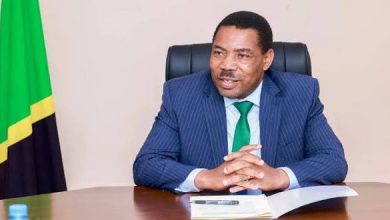
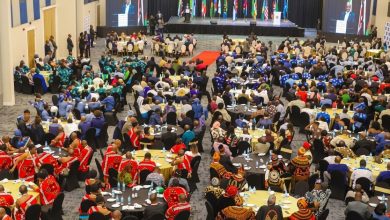
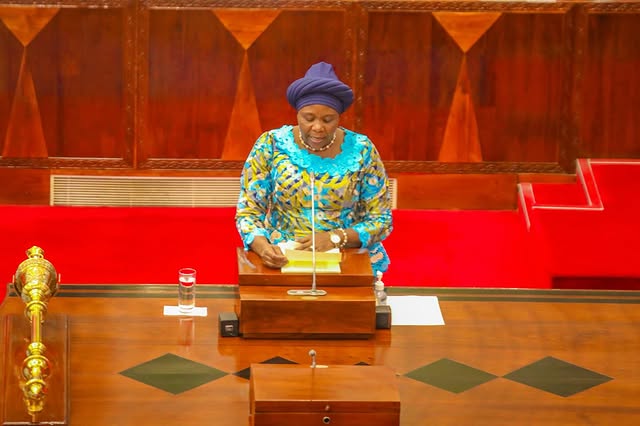
The findings were launched yesterday in Dodoma by Minister for Community Development, Gender, Women and Special Groups, Dr Dorothy Gwajima.
They are drawn from the 2023/24 Tanzania Women’s Empowerment and Nutrition Survey and the 2025 Tanzania Gender and Environment Survey, both conducted by the National Bureau of Statistics (NBS).
According to the Gender and Environment Survey, 82.9 per cent of women and 80.8 per cent of men in Mainland Tanzania have experienced at least one impact of climate change, a situation Dr Gwajima described as a call for inclusive environmental policies.
Presenting key findings, Dr Gwajima said only 26 per cent of women reported having economic decision-making power, while 34.1 per cent said they had autonomy in matters related to marriage, divorce and reproductive choices.
She added that 54.6 per cent of women reject all forms of gender-based violence, indicating increased awareness despite existing challenges. In the economic and nutrition sectors, the minister noted that 58 per cent of women use financial services compared to 72 per cent of men.
Although 40 per cent of women own assets, only a small proportion hold formal ownership documents. On nutrition, she said 56.7 per cent of women meet the minimum dietary diversity threshold, with rural areas lagging behind at 39 per cent due to limited access to essential foods.
ALSO READ: PM: Unpaid bills must not delay burials
“There is an urgent need to address gender inequality, nutrition challenges and environmental vulnerabilities. These surveys provide critical evidence to guide action,” said Dr Gwajima.
She reaffirmed the government’s commitment to strengthening women’s economic empowerment through improved access to credit, financial literacy, asset ownership and leadership opportunities.
Efforts will also focus on improving nutrition, enhancing data use in planning and ensuring women’s participation in key development agendas.
Meanwhile, Government Statistician-General Dr Amina Msengwa said the government will continue collaborating with stakeholders to produce reliable and high-quality data, emphasising the importance of dissemination to inform policy and planning.
She noted that the two surveys are the first of their kind in Tanzania, while the Gender and Environment Survey is only the second conducted in Africa after Senegal. In a related development, National Bureau of Statistics Board Chairperson and former Speaker Anne Makinda urged both public and private institutions to utilise the findings in decision-making processes.