…Govt boosts services to support UHC rollout
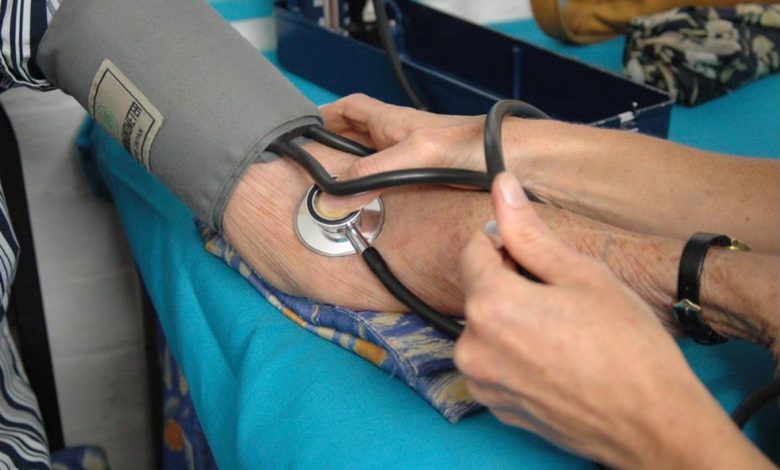
MTWARA: THE government is improving diagnostic services, medical supplies and digital systems in 7,989 healthcare facilities nationwide, to support the second phase of the Universal Health Insurance (UHC) scheme and expand access to treatment.
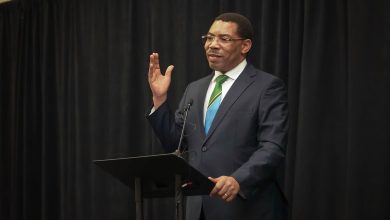
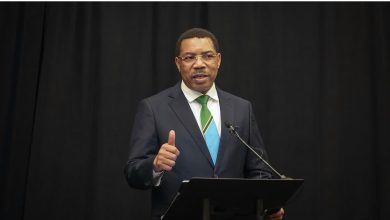
Deputy Minister in the Prime Minister’s Office responsible for Regional Administration and Local Government (Health), Dr Jafar Seif, said this yesterday during the launch of the second phase of UHC registration in Mtwara Region.
He said the government was upgrading healthcare infrastructure and service delivery to ensure that increased insurance coverage is translated into access to quality medical care.
“Do not wait until you fall ill before thinking about health insurance,” Dr Seif said.
He said the country’s primary healthcare network comprised 6,693 dispensaries, 1,101 health centres, 183 council hospitals and 12 hospitals with district hospital status, providing a foundation for bringing healthcare services closer to communities.
ALSO READ: Health ministry sets UHC agenda for 2026/27 budget
Dr Seif said the government had also completed 87 emergency care buildings and 30 intensive care unit (ICU) buildings, all of which were operational.
He added that all 7,989 primary healthcare facilities offered laboratory diagnostic services in line with established guidelines, while health centres had radiology services, including X-ray and modern ultrasound equipment.
The average availability of medical supplies at primary healthcare facilities stood at 89 per cent, while 21 oxygengenerating plants had been purchased and oxygen distribution systems installed in 129 hospitals.
“These measures are intended to improve access to healthcare, its quality and efficiency closer to the people, thereby encouraging more citizens to join the Universal Health Coverage scheme,” he said.
Digital systems are also being integrated into service delivery, with more than 5,700 healthcare facilities able to submit claims directly to the National Health Insurance Fund (NHIF) through the Government of Tanzania Hospital Management Information System (GoTHoMIS).
Dr Seif said the integration allowed facilities to submit claims after treating patients, improving processing efficiency and supporting healthcare delivery.
However, he said expanding insurance coverage also required effective public awareness campaigns and mechanisms to support people unable to pay their contributions.
Under the second phase, the government is targeting citizens who can afford to pay their own health insurance contributions while continuing to finance coverage for eligible households that cannot afford them.
Dr Seif directed regional and district authorities to ensure registration information reached communities in accessible language and that local government authorities worked with the Tanzania Social Action Fund (TASAF) to identify and verify eligible households.
“No eligible household should be left out because it has no one to speak for it, and no ineligible household should be included because someone is advocating for it,” he said.
He added that the Prime Minister’s Office would continue working with the Ministry of Health and local government authorities to improve the availability of medical supplies, staffing, referral services and customer care.
Mtwara Regional Commissioner Colonel Donald Msengi said the region had registered 8,914 households out of the 10,206 targeted during the first phase, equivalent to 87.3 per cent.
He said 23,329 people had been registered against a target of 37,991, representing 61.4 per cent. “For the second phase, Mtwara aims to reach 51,943 beneficiaries from 28,119 households, with public awareness campaigns targeting farmers, women, young people and other community groups,” Col Msengi said.
He said the region was considering working with agricultural marketing cooperative societies (AMCOS) to encourage cashew farmers to set aside part of their crop earnings for health insurance contributions.
“Before paying me my cashew proceeds, deduct my health insurance contribution first,” he said, outlining a proposed campaign message aimed at encouraging farmers to plan for healthcare costs.
Col Msengi said the region was reviewing implementation progress monthly to identify challenges and take corrective measures. He added that collaboration among government authorities, healthcare providers and communities would be essential to achieving the registration targets.