Govt advances 110tri/- LNG investment ambition
DODOMA: TANZANIA’S progress towards implementing its long-awaited Liquefied Natural Gas (LNG) project reflects the strategic direction and investment-driven leadership of President Dr Samia Suluhu Hassan, whose second-term administration is positioning the energy sector as a major pillar of long-term economic transformation.
The proposed 42 billion US dollars (about 110tri/-) LNG investment in Lindi represents one of the country’s most significant opportunities to attract international capital, strengthen energy security and expand industrial capacity.
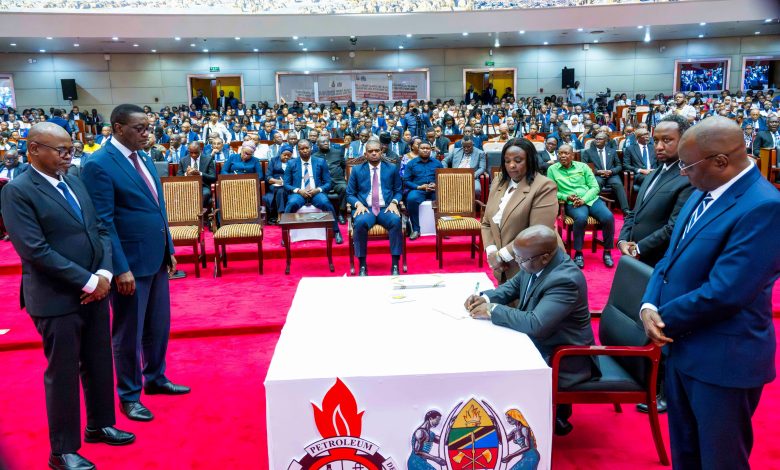
The conclusion of negotiations on commercial terms, taxation and revenue sharing marks a major breakthrough in advancing a project that has remained under discussion for years.
This progress demonstrates the importance of President Samia’s commitment to maintaining constructive engagement with international investors while safeguarding Tanzania’s national interests.
By providing policy direction and supporting the completion of complex negotiations, her administration has helped move the project closer to the final legal processes required before implementation.
The involvement of major international energy companies, including Equinor, Shell, ExxonMobil, Medco Energy and Pavilion Energy, further demonstrates investor confidence in Tanzania’s natural gas potential and its long-term economic prospects. Importantly, the LNG project is not an isolated investment.
It forms part of a broader energy development strategy under Dira 2050, which identifies oil and gas among five strategic drivers of national transformation.
President Samia’s leadership is therefore helping connect natural resource development with industrialisation, technological advancement, employment creation and improved living standards.
Her administration has also strengthened Tanzania’s position in the regional petroleum value chain through cooperation with Uganda on the proposed integrated refining and energy hub in Tanga.
The East African Crude Oil Pipeline, which was 92.7 per cent complete by September 2026, demonstrates the importance of regional partnerships in expanding energy infrastructure and trade.
Another significant policy achievement is empowering the Tanzania Petroleum Development Corporation (TPDC) to undertake petroleum exploration independently through four exploration licences.
This strengthens national participation in resource development and creates opportunities for Tanzania to build domestic technical expertise and retain greater economic value.
These developments are already creating economic opportunities, with approximately 10,000 jobs generated by the projects, including 7,500 for Tanzanians, while more than 200 local companies have secured supply contracts worth over 1.325tri/-.
ALSO READ: Africa’s gas opportunity extends beyond LNG exports
Nevertheless, the real measure of leadership success will be ensuring that these investments deliver lasting benefits to citizens. Transparent revenue management, environmental protection, local content development and skills transfer must remain priorities.
As President Samia advances her second-term development agenda, the movement of the LNG project towards implementation stands as an important milestone.
With sustained political commitment, effective institutions and responsible resource management, Tanzania can transform its natural gas wealth into industrial competitiveness, quality employment and shared prosperity.
Ultimately, this is the transformation that Dira 2050 envisions: a country that does not merely extract its natural resources, but uses them strategically to build a stronger, more inclusive and prosperous economy.