

Goodwill expands production with over 528bn/- investment
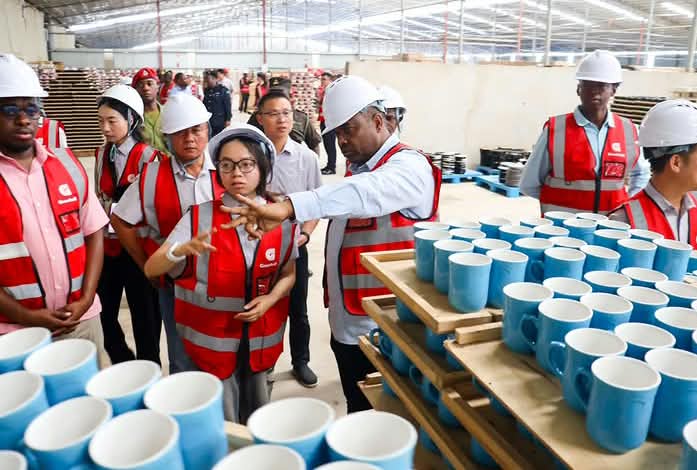
DAR ES SALAAM: GOODWILL (Tanzania) Ceramic Co Ltd is expanding its manufacturing operations through two new production lines expected to create 1,000 direct jobs and increase daily output to 180,000 square metres of tiles and more than 200,000 porcelain pieces.
The company on Wednesday broke ground on Tile Line 3 and Daily-Use Porcelain Phase II, with both projects scheduled to be completed and commence full production by June 2027.
The expansion will bring Goodwill’s cumulative investment in Tanzania to 200 million US dollars (over 528bn/-), underscoring the company’s growing manufacturing ambitions and confidence in the country’s investment climate.
Speaking during the expansion inaugural ceremony, Goodwill (Tanzania) Ceramic Co Ltd’s Managing Director, Mr Xiaoming Xie said the projects marked a significant milestone in the company’s decade-long operations in Tanzania and would strengthen its capacity to serve domestic and international markets.
“We are proud to expand our investments, create thousands of jobs, and bring the pride of ‘Made in Tanzania’ to Europe and Africa,” he said.
Upon completion, the expanded facilities are expected to increase the company’s workforce to approximately 4,000 direct employees while generating an estimated 15,000 indirect employment opportunities.
The investment is also expected to strengthen Tanzania’s industrial base by increasing the processing of locally available minerals into finished products, reducing reliance on imported goods and supporting export growth.
Mr Xie noted that Goodwill sources more than 90 per cent of its raw materials locally, including clay, feldspar, dolomite, soapstone, kaolin and limestone.
The practice supports domestic mining and mineral processing while creating business opportunities for local suppliers.
He said Tile Line 3 will introduce advanced manufacturing technology for premium tiles targeting luxury hotels, commercial complexes and high-end residential developments.
The expansion will also build on Goodwill’s entry into the European market, with the company seeking to increase exports to Europe and other African countries.
Mr Xie said Tanzania’s mineral resources and investment environment offered considerable potential for high-value manufacturing.
He said that the new facilities are poised to help the company expand production and strengthen the international competitiveness of locally manufactured ceramics.
The projects are aligned with the country’s industrialisation ambitions under Dira 2050 and the Long-Term Perspective Plan for 2026/27 to 2050/51, which emphasise local value addition, export-led growth and industrial development.
Beyond employment creation and production growth, the company contributes to government revenue through corporate income tax, Pay As You Earn (PAYE), Skills and Development Levy and mineral royalties.
“Growing exports are also expected to support foreign exchange earnings,” Mr Xie said.
However, Mr Xie called for government intervention to address trade barriers affecting Tanzanian ceramic products in the East African Community (EAC).
He said high excise charges on Tanzanian ceramic exports to Kenya placed local manufacturers at a competitive disadvantage, urging the government to pursue a resolution through EAC mechanisms to promote fair and reciprocal market access.
For his part, Coast Regional Commissioner Mr Stanslaus Nyongo hailed Goodwill’s expansion, saying the investment will strengthen the region’s industrial base, create jobs and boost government revenue.
Mr Nyongo said the expansion reinforced the region’s ambition to become a major industrial hub.
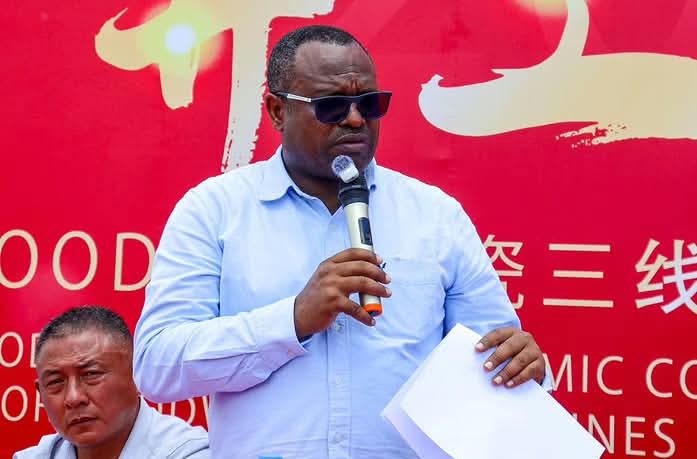
“These are exceptional efforts that deserve recognition. This investment is not only creating jobs but also strengthening our region’s position on Tanzania’s investment map,” he said.
He attributed the growing industrial activity in Coast Region to designated industrial areas, improved infrastructure and access to electricity, water, roads and natural gas as well as efforts to reduce bureaucratic barriers to investment.

This is an exceptionally well-articulated discussion on “footballbros.us.com”. Thank you for sharing such a constructive piece—definitely a valuable reference for anyone following this field.