Giving women, youth greater voice in saving Ruvuma Basin
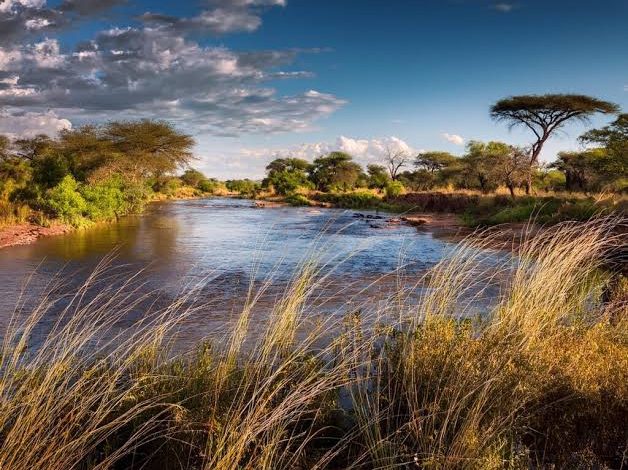
SONGEA: PROTECTING water resources is no longer merely an environmental responsibility; it is increasingly becoming a national development priority. As climate change, population growth and unsustainable human activities continue to threaten rivers and water catchments, experts say lasting conservation can only succeed when communities actively participate in managing the resources they depend on.
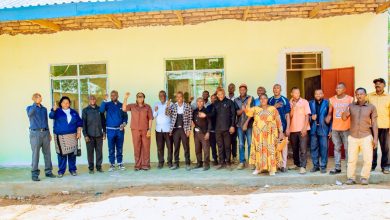
This message took centre stage during the Regional Policy Summit on Inclusive Water Governance held in Songea under the Voices for Water Project, where government leaders, policymakers, environmental experts, religious leaders and community representatives agreed that women and young people must play a greater role in protecting the Ruvuma Basin.
The summit was organised by Youth Environmental Justice and Gender Equality (YOGE) and Tanzania Media for Community Development (TAMCODE), with support from the International Union for Conservation of Nature (IUCN) through its BRIDGE Programme.
The meeting focused on identifying policy and practical solutions to strengthen environmental conservation while improving community participation in water governance.
Opening the discussions, YOGE Executive Director Philomena Mwalongo said eight months of engagement with communities had revealed that many women and young people lacked both awareness and opportunities to participate in decisions affecting water resources.
Through baseline surveys, community dialogues, training programmes and stakeholder engagements, she said the project identified several challenges affecting conservation efforts.
These included weak enforcement of environmental laws, conflicting policies governing natural resources, unsustainable land-use practices, poor waste management and limited public awareness.
Ms Mwalongo said communities often experience the greatest consequences of environmental degradation but are rarely given enough opportunity to influence policies and programmes designed to protect natural resources.
“Communities should not be treated as passive beneficiaries of conservation programmes. They must be recognised as active custodians of the resources that sustain their lives,” she said.
The summit also highlighted growing concerns over the increasing movement of large livestock herds into Ruvuma Region, with stakeholders warning that uncontrolled grazing is contributing to riverbank degradation and threatening agricultural production in one of Tanzania’s major food-producing areas.
According to Ms Mwalongo, these challenges demonstrate the need for inclusive environmental governance that combines conservation with community empowerment.
“Protecting water resources requires more than regulations. People living around these resources must have the knowledge, tools and opportunities to participate,” she said.
Recognising these realities, participants proposed several policy and institutional reforms aimed at improving environmental protection and strengthening public participation.
One major recommendation was the formal recognition of Water and Environment Committees established through the project and their integration into existing Water User Associations and sub-catchment management structures.
Stakeholders recommended that these committees maintain at least 50 per cent representation for women and 40 per cent for youth to ensure inclusive decision-making.
The summit also called for improved enforcement of environmental regulations while reviewing implementation of the existing 60-metre river buffer zone policy to consider local ecological realities without weakening conservation standards.
Participants further recommended harmonising laws governing forestry, agriculture, mining, land and water resources to address contradictions that often undermine environmental protection.
Ms Mwalongo urged regional authorities to accelerate promotion of affordable clean cooking energy and communityled waste management enterprises to reduce pressure on forests while creating new economic opportunities.
For many participants, environmental conservation cannot be separated from economic empowerment.
Representing communities from Matogoro Ward, Ms Fatuma Gawaza appealed for greater financial support for women and young people to invest in irrigation pumps, water storage facilities and climate-smart farming technologies.
She explained that many farmers continue cultivating within protected river buffer zones because they lack resources to develop alternative farming areas.
“Supporting women and young people with affordable capital will help them adopt sustainable farming practices while protecting water sources,” she said.
She added that investments in activities such as beekeeping and modern irrigation would reduce pressure on riverbanks while improving household incomes.
The summit also discussed the need to reduce dependence on firewood and charcoal, which continue to contribute to deforestation and threaten important water catchment areas.
Participants agreed that expanding access to affordable clean energy technologies would protect forests, improve public health and strengthen water security.
Environmental education emerged as another major theme. Bishop John Ndimbo of the Mbinga Diocese called for conservation and climate change studies to be incorporated into school curricula, saying children should learn early about protecting rivers, forests and other natural resources.
He said lasting behavioural change begins with education and requires cooperation among schools, religious institutions and communities.
Beyond classrooms, participants emphasised the importance of continuous awareness campaigns through religious organisations, community groups and the media.
The summit also stressed the need for stronger collaboration among government institutions, basin authorities, civil society organisations and development partners.
Participants noted that institutions responsible for water resources, environmental protection and land management often operate separately despite dealing with connected challenges.
Improved coordination, they argued, would strengthen planning, reduce duplication and improve enforcement of environmental laws.
Government representatives welcomed the recommendations and reaffirmed their commitment to supporting conservation initiatives.
Acting Ruvuma Regional Administrative Secretary Louis Chomboko praised YOGE for bringing stakeholders together to discuss practical solutions for protecting the basin.
He said the regional government would continue promoting clean cooking energy, strengthening support for conservation initiatives and encouraging greater participation of women and young people in water management.
Mr Chomboko also emphasised the role of religious institutions and public education in making environmental protection a shared responsibility.
Acting Songea District Administrative Secretary Arquin Ndimbo said protecting the Ruvuma Basin requires sustained investment and continuous awareness campaigns.
He noted that many conflicts surrounding environmental regulations result from limited public understanding and said more resources should be directed towards community education.
He also highlighted the importance of replacing environmentally harmful tree species around water sources with indigenous varieties better suited for protecting catchment areas.
Mbinga District Administrative Secretary Pendo Daniel commended YOGE for empowering women, youth and vulnerable groups through education and community engagement.
She encouraged development partners to support expansion of the project to more districts within the Ruvuma Basin.
Since its launch, the Voices for Water Project has reached more than 5,000 people through community dialogues, awareness campaigns and capacitybuilding activities.
Beyond the numbers, the initiative has demonstrated that conservation becomes more effective when communities are recognised as partners rather than simply beneficiaries.
It has also strengthened the participation of women and young people, groups that have historically remained on the margins of environmental decisionmaking despite depending heavily on natural resources for their livelihoods.
As Tanzania continues addressing climate change and pursuing sustainable development, lessons from the Ruvuma Basin highlight the importance of inclusive environmental governance.
Protecting rivers, forests and water catchments is not only about conserving nature. It is about safeguarding food production, strengthening climate resilience, improving public health and supporting economic growth.
ALSO READ: Ruvuma region: Upcoming tourist icon in Tanzanian Southern Highlands
The recommendations from the Songea summit provide an opportunity to turn dialogue into action by strengthening institutions, expanding community participation and ensuring sustainable management of one of Tanzania’s most important river basins.
In a nutshell, safeguarding the Ruvuma Basin will require more than policies. It will require continued cooperation among government institutions, civil society organisations, development partners and communities united by one goal: Protecting a resource that sustains lives today and secures the future for generations to come.