Exhibition on Dr Salim’s legacy sparks debate on Africa’s economic liberation

DAR ES SALAAM: AN exhibition celebrating the life and legacy of renowned Tanzanian diplomat Salim Ahmed Salim has sparked debate on Africa’s transition from political liberation to economic emancipation and development diplomacy.
The month-long exhibition, opened on Monday in Dar es Salaam, was organised through the Salim Ahmed Salim Digital Archives in collaboration with Kengo Ltd and the National Museum of Tanzania, with support from Karimjee Foundation.
The exhibition features photographs, speeches, diplomatic documents and historical correspondence highlighting Dr Salim’s contribution to strengthening Africa’s position globally.
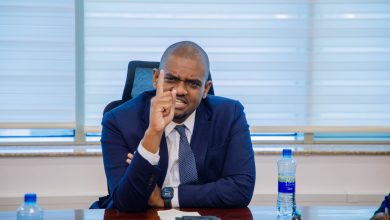
Speaking during the opening discussion, Director of Economic Diplomacy at the Ministry of Foreign Affairs and East African Cooperation, Mr John Ulanga, said leaders of Dr Salim’s era successfully championed political liberation and African unity, but the continent must now focus on economic liberation.
“Salim’s generation fulfilled its role in political liberation. Now we need to pass this vision on to young people to build responsibility, financial independence and patriotism,” Ambassador Ulanga said.
ALSO READ: Why Congo’s visa-free move significant for Africa
He noted that Africa still depends heavily on external financial and development systems, underscoring the need for stronger institutions, sound policies and domestic investment to achieve economic self-reliance.
According to him, diplomacy has shifted from political liberation to development diplomacy aimed at attracting capital, technology and economic partnerships. Retired Ambassador Ami Mpungwe said diplomacy during Dr Salim’s era focused on mobilising political support for liberation struggles across Africa.
“Today, diplomacy has shifted toward attracting capital, promoting investment and opening international markets for economic development,” he said.
He added that Africa’s current challenge is mobilising global capital to achieve economic liberation while strengthening dialogue between retired diplomats and current leaders to keep pace with global economic changes. The discussion also highlighted how modern diplomacy increasingly revolves around competition for investment and markets, with countries judged more by economic strength than political influence.
Dr Salim’s son, Ahmed Salim, said the exhibition demonstrates Tanzania’s contribution to shaping international discourse and African diplomacy. He noted that the archived documents show how diplomatic decisions influenced not only Africa’s political direction but also laid foundations for international economic cooperation.