Every Zanzibari has a role to play in the fight against drugs
ZANZIBAR: THE fight against drug abuse and illicit trafficking in Zanzibar can no longer be regarded as the responsibility of the police, drug-control authorities or the government alone. It is a national responsibility that requires every Zanzibari: Parents, teachers, religious leaders, health workers, community leaders, businesses, young people and ordinary citizens to play a part.
This message has gained renewed importance as Zanzibar confronts increasingly sophisticated drug-trafficking networks and the emergence of synthetic drugs that are being deliberately disguised and marketed in ways that can make them difficult to detect.
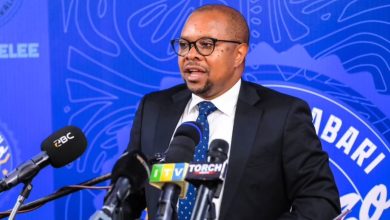
President Hussein Ali Mwinyi’s decision to chair a high-level meeting of the Zanzibar National Council for Drug Control and Combating Drugs at State House on September 12, 2026, underlines the seriousness with which the government views the threat.
The meeting brought together Second Vice-President Hemed Suleiman Abdulla, ministers, senior government officials and heads of security and defence institutions to review strategies for preventing trafficking, disrupting criminal networks and protecting communities, particularly young people. But government action, however strong, cannot succeed without public participation.
First Vice-President Othman Masoud Othman recently described drugs as an enemy capable of damaging not only young people but the entire system of running a country and its government. His warning deserves wider public attention.
Drug abuse affects health, education, families, employment, productivity, security and social stability. It can destroy the potential of young people who should instead be contributing to Zanzibar’s economic transformation.
This is particularly important as Zanzibar pursues the ambitious objectives of its Development Vision 2050, which seeks to attain Upper-Middle Income Status through sustainable and inclusive human development.
Vision 2050 recognises substance abuse as a development issue. It calls for a comprehensive system of social support, including medical, rehabilitative and psychosocial services for victims of drug abuse.
It also calls for appropriate standards for accrediting and monitoring substance-abuse treatment, together with research and technology to reduce the use of drugs and other substances.
The Vision also sets an ambitious target to increase coverage of treatment interventions for substance-use disorders from 41 per cent to 95 per cent.
This makes the fight against drugs part of the wider development agenda. A Zanzibar that wants a healthy, skilled, productive and innovative population by 2050 must protect its people from a problem capable of undermining those ambitions.
Second Vice-President Hemed has rightly placed families at the centre of prevention. He warned that traffickers are increasingly using technology and social media to identify, recruit and influence young people.
Drugs are also reportedly being disguised in ordinary products such as sweets, chocolates and biscuits, while electronic cigarettes can be used to conceal or deliver narcotic substances.
These developments mean that parents and guardians cannot afford to assume that drug abuse is someone else’s problem.
Parents need to communicate with their children, understand their friendships and online environments, recognise behavioural changes and create homes where young people can discuss problems without fear.
Teachers have an equally important responsibility. Schools are not only places for academic instruction; they are important spaces for identifying vulnerable children, providing accurate information and promoting positive values and healthy lifestyles.
Religious leaders can reinforce these efforts by using mosques, churches and other community platforms to educate people about the social, spiritual and health consequences of drug abuse.
Citizens also have a responsibility to report suspected drug dealers and trafficking activities. Mr Hamza Hassan Juma, Acting Minister in the Office of the First Vice-President and the Office of the Second VicePresident, has urged citizens to cooperate with authorities and provide information on suspected dealers.
This is critical because trafficking networks can survive when communities remain silent. Zanzibar’s geographical position makes the challenge particularly serious. Othman noted that the Isles occupy a location that can facilitate the movement of illicit drugs from different parts of the world, explaining why efforts to control the trade have a long history.
ALSO READ: Winning the fight against drug abuse begins at home
Therefore, vigilance must extend from ports and borders to neighbourhoods, schools, entertainment venues, workplaces and online spaces. Citizens should not confront suspected traffickers themselves. Instead, information should be passed safely to the relevant authorities so that investigations can be conducted professionally and within the law.
The government’s response must also recognise that not every person affected by drugs is a criminal. Some are victims of addiction who require medical treatment, rehabilitation, counselling and social support.
The government has already expanded treatment and rehabilitation services, while Hamza has called for a rehabilitation centre in Pemba specifically for female drug users, where privacy and appropriate care can be provided. Such services are essential if Zanzibar is to meet the aspirations of Vision 2050.
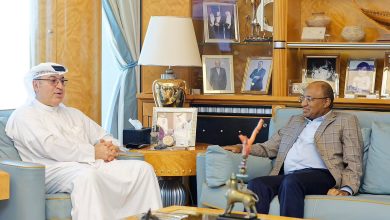
At the same time, ZDCEA Director General Colonel Burhani Zubeir Nassoro and Tanzania Drug Control and Enforcement Authority Commissioner General Aretas Jams Lyimo have emphasised the importance of cooperation between the two authorities.
That cooperation should continue and expand, supported by modern technology, trained personnel, reliable intelligence and strong accountability. Ultimately, the war against drugs will not be won through arrests and seizures alone.
It will be won when families become stronger, schools become more vigilant, communities refuse to tolerate traffickers, religious institutions strengthen moral education, health services provide effective treatment, young people make informed choices and authorities work together without favour or compromise.
Zanzibar has a development vision stretching to 2050. The country cannot achieve its ambitions if a generation of young people is lost to addiction, criminal networks and substance abuse. Every Zanzibari therefore has a role.
Government must lead. Security agencies must enforce the law. Health institutions must treat and rehabilitate. Schools must educate. Religious leaders must guide. Parents must protect. Communities must speak out. Young people must resist recruitment.
The fight against drugs is ultimately a fight for Zanzibar’s future and that future belongs to everyone.