Ethics key to public leadership, development
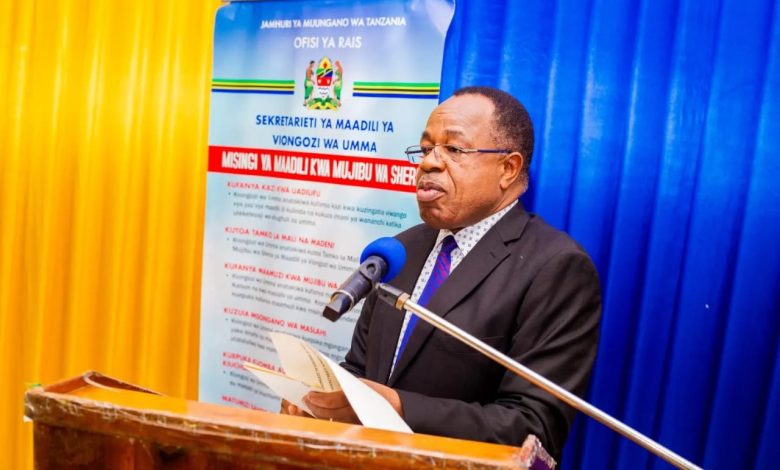
ARUSHA: ETHICS Commissioner in the President’s Office–Ethics Secretariat, Judge (rtd) Sivangilwa Mwangesi, has said ethics in public leadership are a cornerstone of national development as they promote integrity and accountability among leaders and public servants.
He made the remarks recently while opening a work session for facilitators of ethics training for public leaders at the Institute of Accountancy Arusha (IAA).
Judge Mwangesi said the public service must be anchored in a culture of ethics that enables leaders and public servants to make decisions and carry out their duties responsibly without constant supervision or monitoring.
He noted that ethics in public leadership are a key pillar of good governance and sustainable national development because they ensure leaders are guided by principles of integrity, accountability and adherence to the rule of law when carrying out their responsibilities.
“These values help citizens develop trust in their country’s governance systems, and such trust builds national unity, improves efficiency in public service delivery and strengthens social and economic development,” said Judge Mwangesi.
ALSO READ: Zungu backs laws to expand women’s leadership
Given this importance, he said the Public Leaders’ Ethics Act sets out principles of accountability, transparency and integrity for public leaders and requires them to prioritise national interests, avoid conflicts of interest and exercise entrusted authority faithfully for the benefit of the nation.
“This work session is very important as it places facilitators at the forefront of spreading ethics education to public leaders so that they can be more accountable to citizens,” he said.
Rector of the IAA, Professor Eliamani Sedoyeka, said the work session aims to evaluate and improve the training participants received last year after the institution entered into an agreement with the Public Leaders’ Ethics Secretariat to provide ethics training for public leaders.
“The goal of the training is to ensure that leaders in various sectors clearly understand the overall concept of ethics and the key areas they must observe so that everyone fulfils their responsibilities in line with the expectations of the Ethics Act, which is a pillar of good governance,” said Professor Sedoyeka.
For his part, retired Colonel Joseph Sim – bakalia said the training helps facilitators and public leaders reconnect with the ethical and governance foundations laid by the nation’s founders.