Elections: Key questions for candidates
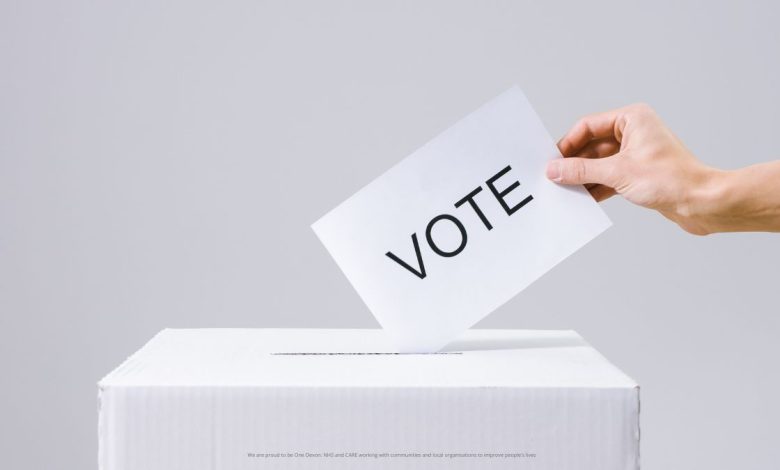
DAR ES SALAAM: THE Chama Cha Mapinduzi’s district political committees recently convened to assess, select and announce the top three contenders for parliamentary, councillor and other roles.
This process was a significant step before the final decision and the launch of their campaigning journey, conducted in accordance with CCM’s established norms and transparent candidate selection procedures.
Other political parties committed to participating in the October 2025 general elections will similarly announce their candidates for various roles on appropriate dates, in line with primary election procedures for Tanzania.
I understand that political decisions affect us all, as outlined in Article 67 (1) of the Constitution of the United Republic of Tanzania—a person is considered eligible to stand for election as a Member of Parliament if they meet specific qualifications.
These include being a Tanzanian citizen, at least 21 years of age and able to read and write in Swahili or English.
Additionally, an individual must have been nominated by a duly registered political party and, notably, must not have been convicted by a court of law for the offence of tax evasion in the five years preceding the election.
Besides these qualifications, the constitution clearly states that an individual, even if they possess all necessary credentials to run, will be ineligible for Parliament if they are a citizen of another country, according to the laws of the United Republic of Tanzania.
Furthermore, disqualifications could occur if it can be proven that the individual has a mental illness, has received a death sentence from a court, is currently serving a sentence of more than six months within the five years before the General Election, or has been convicted and sentenced for an offence related to dishonesty or for breaching the Code of Conduct for Public Officials.
Although I have no issues with the qualifications and eligibility listed above, according to Article 67 (1) of the Constitution of the United Republic of Tanzania, the next parliament should consist of individuals whose knowledge and skills will benefit Tanzania as economic analysts.
Members of Parliament elected by voters should govern effectively and fulfil their parliamentary duties, contributing to the country’s economic growth and boosting the nation’s competitiveness both regionally and internationally, building on the achievements of the just-ended parliament for the 6th phase government.
As we consider the entire process involving all registered political parties and those seeking our votes to represent us in parliament, it is essential to ensure that Tanzanians elect individuals who are genuinely committed to serving the nation’s interests.
I wish fellow Tanzanians would engage thoughtfully when questioning the candidates presented to us.
Why? In my view, a well-informed electorate should ask comprehensive, technical and enduring questions to assess the readiness, vision and integrity of parliamentary candidates.
The aim, if we genuinely want Tanzania to maintain its trajectory and develop socially, economically and politically, is to look beyond slogans and party labels and scrutinise the candidate’s ability, dedication and competence in shaping long-term policy and representing the public interest.
In my view, as a somewhat educated economist, the following are nine fundamental questions that will help us assess the sincerity of the candidates seeking our vote.
Firstly, regarding national development and vision, it would be helpful to understand the candidate’s long-term goals for Tanzania over the next ten to twenty years.
As an MP, how will they support that vision and align national development initiatives such as the Five-Year Development Plan or Vision 2050 with priorities at the constituency level?
Assuming they become an MP, what role should Parliament play strategically in promoting balanced economic development and reducing regional disparities?
Secondly, concerning fiscal oversight and economic policy, in what ways will he or she ensure budgetary discipline and transparency in both national and local government budgeting and expenditure?
This should be complemented by their views on Tanzanian tax policy and how it ought to be amended to increase domestic revenue without overburdening low-income earners.
Most importantly, what strategies does he or she propose to promote formal economic activities and value addition across all sectors of the economy, including agriculture, to name a few, within their constituency?
ALSO READ: Tanzania warns against misinformation, hate speech during General Elections
Thirdly, regarding social equity and public services, in underserved parts of your constituency, how will you, as an MP, promote better access to high-quality healthcare, education and water services if elected?
What specific strategies do you have in place to address young unemployment and skills mismatch in your constituency while making sure that budget planning and legislation take into account the concerns of marginalised populations, including women, persons with special needs and rural communities?
Fourth, regarding democracy, the rule of law and governance, what steps will you take to strengthen Parliament’s autonomy and oversight role in holding the executive accountable?
How would you promote integrity, transparency and anti-corruption measures in both national and local government institutions if elected?
Additionally, what reforms, if any, do you believe are necessary to improve Tanzania’s democratic institutions, such as its electoral processes and public space?
Fifth, how do you interpret Tanzania’s responsibilities in relation to climate change and environmental sustainability? How would you support green economy initiatives, like climateresilient agriculture and renewable energy, in your constituency if you were elected as a Member of Parliament?
How would you ensure that local communities benefit from the exploitation of natural resources while maintaining their ecosystems?
Sixth, concerning parliamentary accountability and constituent relations, how often and through what channels (town halls, the media, social media) do you intend to update your constituents if elected as an MP?
Will you disclose your attendance, committee contributions and voting record in Parliament if elected? Most significantly, how will you resolve conflicts between party directives and constituents’ wishes?
Seventhly, regarding science, technology and infrastructure, how would you support digital infrastructure and ensure equitable access to technology and the internet in rural areas if elected as an MP?
Which infrastructure projects do you consider most important in your constituency and how would you prioritise and promote them in Parliament?
Most importantly, how do you plan to ensure that infrastructure projects are not only funded but also implemented in a way that is sustainable, transparent and provides good value for money?
For voters, just as we may have a favourite candidate in mind, there is a need to be cautious of any candidate who might offer an uncalled-for incentive, aka “takrima,” to secure election as MP in the upcoming October 2025 general election.
Finally, regarding regional integration and foreign policy, how should Tanzania position itself within the African Continental Free Trade Area (AfCFTA), SADC and EAC if it is elected as a member of parliament?
As an MP, which legislative initiatives do you support to enhance Tanzania’s competitiveness in regional and international trade? For those competing for voters’ support to secure re-election, how can you evaluate your previous promises, particularly regarding the implementation of the party’s platform?
And as a Member of Parliament, how have specific services in your constituency remained entirely inadequate?
These issues are straightforward to resolve, and if you had the funds to buy your Land Cruiser, you could have done so.
In my view, these inquiries require expertise, vision and honesty—qualities that help distinguish candidates who are merely interested in running for office from those who are ready to lead effectively, serve their constituents well and pass meaningful laws.
As a Tanzanian and voter, I warn that when we as voters become overwhelmed and elect representatives who, at least in the ways I have described above, do not offer solutions or plans that, upon examination, show promise for the future, as voters we will be left with representatives whose performance will hinder our constituents and nation at large from achieving the lofty objectives that will benefit our country, Tanzania, in these modern, challenging times overwhelmed by regional and global geopolitical dynamics.