

Education policy, curriculum win praise for addressing skills gap
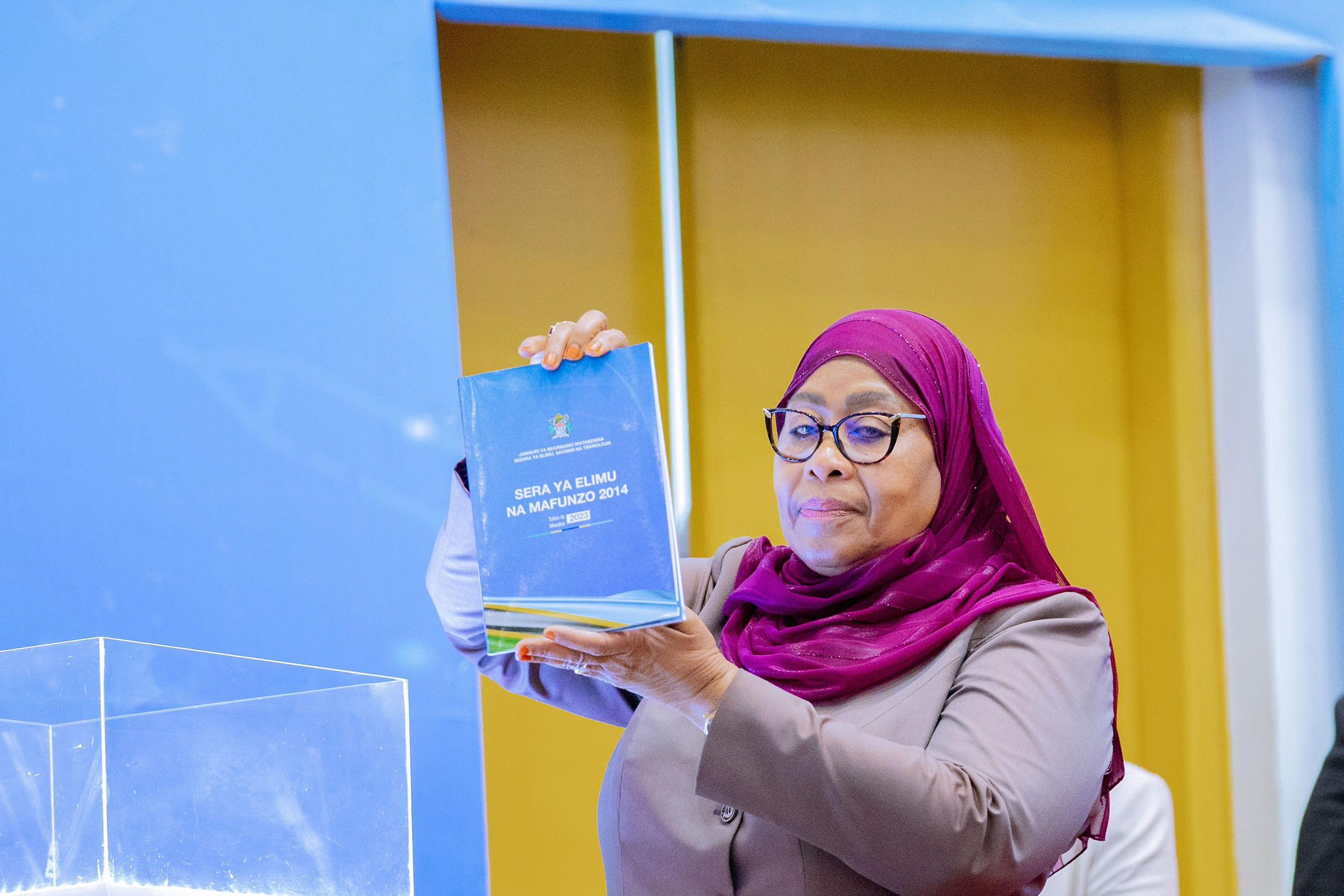
DAR ES SALAAM: EDUCATION stakeholders have praised the new education policy and curriculum for addressing long-standing challenges, particularly the skills gap among young people graduating from school.
In separate interviews with the ‘Daily News’, stakeholders said that under the new policy, students will graduate with both academic knowledge and practical skills, better preparing them for the job market.
On Saturday, President Samia Suluhu Hassan directed the Ministry of Education, in collaboration with the Ministry of Finance, to develop a Public-Private Partnership (PPP) framework to facilitate the implementation of the new Education Policy and Curriculum.
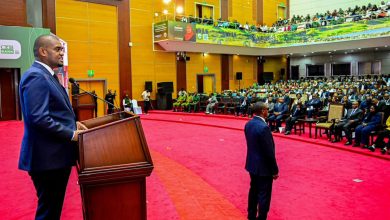
She said the goal is to achieve the intended results in strengthening the country’s education sector. The Head of State issued this directive in Dodoma during the launch of the 2023 edition of the Education and Training Policy of 2014, held at the Jakaya Mrisho Kikwete Convention Centre.
“We need to continue improving the investment environment in the education sector, especially in technical education, so that the private sector can further support our efforts,” said President Samia. Commenting on the matter, Senior Lecturer in Educational Technology and education initiatives.
Some of the key achievements enabled by this funding include the construction of 2,980 primary schools, 7,973 toilet facilities, 64 teachers’ houses, 15 new dormitories for students with special needs and the development of 300 model early childhood classrooms.
Dr Kikwete also praised President Samia for her steadfast commitment to advancing higher education, especially for integrating the University of Dar es Salaam (UDSM) into the Higher Education for Economic Transformation (HEET) project.
He said that the HEET project, funded by the World Bank, will expand access to higher education, particularly in underserved regions and improve learning environments.
“We appreciate your initiative to incorporate UDSM into the HEET project, which has been allocated 49 million US dollars.
Through this funding, we have already begun constructing three new campuses—one in Lindi specialising in agriculture and livestock studies, another in Kagera focusing on business education and information technology and an expansion of the Zanzibar campus to strengthen the Institute of Marine Sciences,” he said.
Regarding the newly launched Education and Training Policy, Dr Kikwete said the updated framework will modernise the education system, aligning it with technological advancements and the evolving needs of the country’s workforce.
“I commend the government for this timely decision, which will ensure that the country’s education sector keeps pace with global changes. As the economy grows, new skill demands are emerging, requiring an education system that can equip students with the necessary competencies,” he said.
ALSO READ: EDUCATION POLICY IMPLEMENTATION: Samia pushes for PPP
“This new policy marks a significant milestone in the journey to strengthen and transform the country’s education system. It will ensure that our education standards meet both national and global needs, preparing our workforce for the future.”
On her part, Zanzibar’s Minister for Education and Vocational Training, Leila Mohamed Mussa, said the policy was developed through an inclusive process, with experts gathering input from across the nation.
“We have worked closely with the Ministry of Education, Science and Technology to ensure this policy meets the needs of all Tanzanians,” she said.
“A key focus of the policy is ensuring equitable access to education, particularly for rural students, girls and children with disabilities.”
Minister Mussa further explained that the policy prioritises quality education for all, especially those historically underserved.
“The Zanzibar government has already begun constructing modern schools in both urban and rural areas,” she added.
She said the policy’s commitment is to strengthen teacher training and integrating technology into education. “We are investing in digital learning infrastructure, ensuring schools have computer labs and access to the national fibre-optic network,” she said.
Higher education and research are key elements of the policy, with an emphasis on partnerships. “We welcome private sector involvement in education to complement government efforts, as Zanzibar’s education system is now well-positioned to build a skilled and knowledgeable workforce,” Ms Mussa stated.
Meanwhile, Senior Education Specialist and Task Team Leader of the Quality Basic Education Project at the World Bank, Huma Kidwai, acknowledged the challenges and the need for more and better-trained teachers.
“There is a pressing need for more and better-trained teachers, improved access to learning materials, particularly textbooks, greater school accessibility and enhanced teaching methodologies,” said Ms Kidwai.
She added that equipping Tanzania’s youth with the knowledge and skills necessary for economic and social transformation is crucial.
Ms Kidwai expressed confidence in the collective efforts of the World Bank, the government of Tanzania, development partners, educators and schools to empower young Tanzanians to build a prosperous future.
Over the past five years, the partnership has allocated 1.5 billion US dollars to key projects, including BOOST (Primary Student Learning Programme), SEQUIP (Secondary Education Quality Improvement Project), EASTRIP (East Africa Skills for Transformation and Regional Integration Project), ZIQBE (Zanzibar Improving Quality of Basic Education Project) and HEET (Higher Education for Economic Transformation Project).
“We are also in the process of preparing a new Education and Skills for Productive Jobs initiative, which will equip secondary and post-secondary students with the skills needed for meaningful employment,” Ms Kidwai said.
950301 308005Simply wanna remark which you have a quite good internet website , I enjoy the layout it actually stands out. 371082
964382 626065Youre so cool! I dont suppose Ive read anything like this before. So nice to search out any individual with some original thoughts on this topic. realy thank you for starting this up. this site is 1 thing thats wanted on the web, somebody with a bit of originality. useful job for bringing something new to the internet! 962837