Ecological agriculture technology to improve nutrition, food security
MUHEZA: ENVIROCARE Tanzania, a community-based nongovernmental organisation promoting environmental rights, gender equality and sustainable farming, has implemented a new project to enhance ecological agriculture and strengthen food security through practical farmer training.
The initiative was carried out during Green Action Week, a global campaign funded by the Swedish Society for Nature Conservation (SSNC).
The campaign featured a range of activities including training on ecological farming techniques, mixed farming, natural pest control, water conservation and biodiversity preservation.
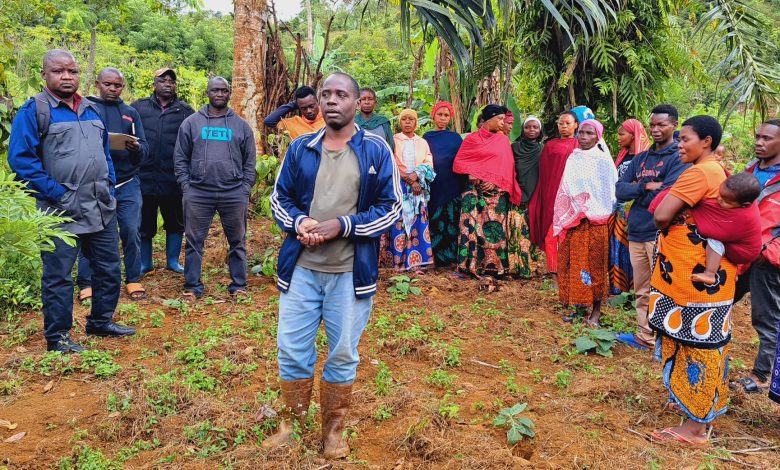
The two-day training, conducted in Magoroto village, Muheza District, brought together 44 participants, 23 men and 21 women, including youth with the goal of sharing knowledge and practical solutions for sustainable agriculture.
According to the project coordinator from ENVIROCARE, Ms Euphrasia Shayo the training took place on demonstration farms established specifically to offer hands-on experience in ecological farming.
“These farms enabled participants to gain practical skills in identifying challenges and developing solutions that support sustainable agriculture,” said Ms Euphrasia.
The project also involved agricultural extension officers, who shared technical knowledge on improving food production, including guidance on the safe use of pesticides, mixed farming techniques and best practices for assessing soil quality, especially important during drought periods.
They also trained farmers on methods to reduce water loss, prevent soil erosion and manage crops more efficiently, particularly in the face of climate change.

Ms Euphrasia said that the initiative strengthened collaboration between farmers, extension officers, women and youth, while expanding community understanding of sustainable agriculture and food security.
“This project has reinforced the importance of sustainable practices, especially in the face of climate change. It also offered a learning platform that empowered communities to make informed decisions about their farming methods,” she said.
Despite the existence of the National Ecological Organic Agriculture Strategy (NEOAS), Ms Euphrasia pointed out that its implementation has been hindered by limited funding, lack of awareness among farmers and extension officers, and challenges in accessing long-term training in sustainable agriculture.
“As a result, many smallholder farmers continue to rely on unsustainable practices, which pose risks to both food security and the environment,” she added.
She said that strengthening ecological farming is essential to improving nutrition and building resilient livelihoods.
“By equipping communities with practical skills and knowledge, we lay the foundation for better nutrition systems and sustainable development,” said Ms Euphrasia.
Agricultural Extension Officer Mr Seif Rashidi praised the campaign’s efforts in promoting gender equality and youth involvement in agriculture. He noted that public outreach efforts, including radio programmes and media articles, helped spread awareness across the Magoroto community.
“The campaign has encouraged broader participation and dialogue on agriculture, especially among youth and women, ensuring that the benefits of sustainable farming are accessible to all,” Mr Rashidi said.