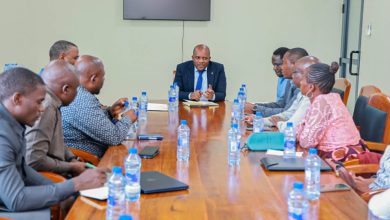
EAC kicks off high-level talks to shape future of agriculture in East Africa

DAR ES SALAAM: The East African Community (EAC), in collaboration with AGRA, has officially launched a high-level regional validation meeting for the Draft Regional Agri-Food Systems Investment Plan (RASIP 2026–2035) in Dar es Salaam, marking a significant step toward transforming agriculture and food systems across East Africa.
The three-day meeting, running from April 21 to 23, has brought together policymakers, development partners, private sector leaders, farmer organizations, youth representatives, researchers, and regional institutions to review, refine, and validate a 10-year investment blueprint that is expected to shape the future of agriculture in the region.

Agriculture remains the backbone of East Africa’s economies, contributing more than 30 percent of GDP and providing livelihoods for over 70 percent of the population. Despite its importance, the sector continues to face persistent challenges, including low productivity, limited access to markets and finance, and significant post-harvest losses of up to 30 percent due to inadequate storage and market systems.
The new investment plan follows the conclusion of the previous Regional Agriculture Investment Plan (RAIP 2017–2025), which laid the foundation for regional coordination but faced implementation constraints, including financing gaps and delays in translating regional commitments into national action. The earlier plan had an estimated budget of over 538 million US dollars, reflecting the scale of resources required to drive meaningful transformation in the sector.

Speaking at the opening session, the EAC Deputy Secretary General, Andrea Aguer Ariik Malueth, said the region is at a critical juncture to redefine its agricultural trajectory.
“As we conclude the implementation of the previous investment plan, we have a unique opportunity to reflect, learn, and chart a bold new course. RASIP must go beyond policy—it must be an actionable roadmap that drives real transformation across our agrifood systems,” he said.
ALSO READ: Practical training strengthens miners’ knowledge and financial access
He noted that agriculture holds the key to addressing major regional challenges, including unemployment, food insecurity, and poverty, but emphasized that progress will depend on stronger coordination, increased investment, and inclusive participation across all stakeholders.
The RASIP is designed to address key regional priorities that require joint action among Partner States, including strengthening intra-regional trade, improving management of shared natural resources, and responding to cross-border challenges such as pests, diseases, and climate change.
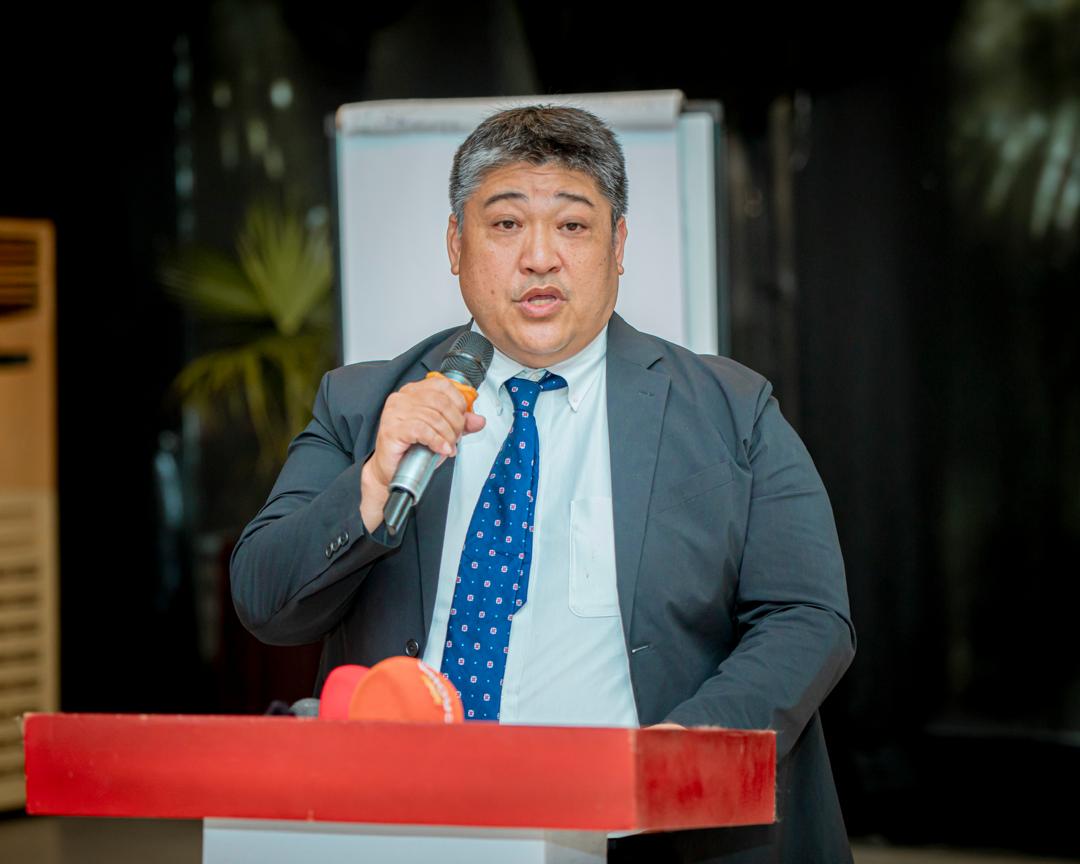
On his part, the AGRA Tanzania Country Director, Vianey Rweyendela, emphasized the importance of placing young people at the centre of agricultural transformation.
“As a strategic partner in this process, AGRA is committed to ensuring that RASIP places young people at the centre of agrifood systems transformation. This is about unlocking opportunities across the entire value chain from production to markets creating jobs, driving innovation, and building a new generation of agripreneurs,” he said.

Young people account for about 45 percent of the agricultural workforce in East Africa, while women represent approximately 62 percent, underscoring their central role in the sector despite facing barriers such as limited access to land, finance, and technology.
The new plan is aligned with the Kampala CAADP Declaration (2026–2035), which sets ambitious targets for the continent, including increasing agricultural output by 45 percent, reducing post-harvest losses by 50 percent, and achieving food security by 2035.

The Dar es Salaam meeting is expected to produce a consensus-based and technically robust RASIP document, which will be submitted to the EAC Sectoral Council on Agriculture and Food Security for approval before implementation across Partner States.

Once adopted, the plan is expected to serve as a regional blueprint for accelerating agricultural growth, strengthening food systems, expanding trade, and creating economic opportunities for millions of people across East Africa.