EAC, IGAD unite to break barriers in cross-border digital payments
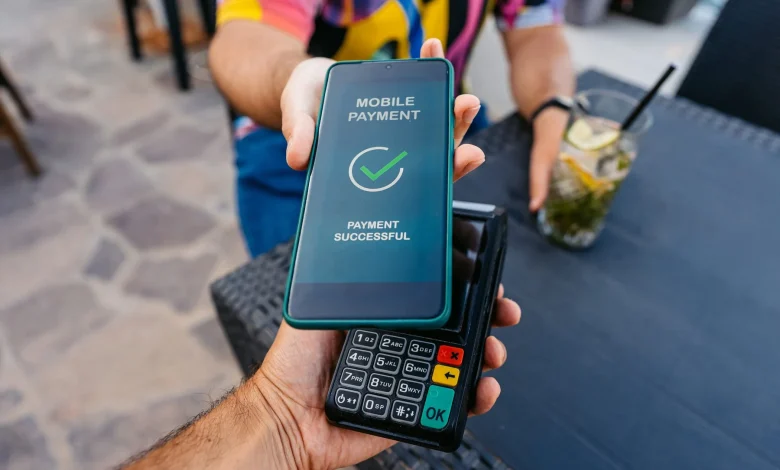
ADDIS ABABA: THE East African Community (EAC) and the Intergovernmental Authority on Development (IGAD) have joined forces to accelerate regional financial integration through a five-day workshop focused on payment systems interoperability.
The IGAD-EAC-World Bank Joint Workshop, held from June 30 to July 4, this year in Addis Ababa, Ethiopia brought together central banks, digital finance experts and senior policymakers from nine countries.
According to information posted on the EAC secretariat website, the key goal was to develop harmonised legal, regulatory and supervisory frameworks that can support faster, safer and more inclusive cross-border payments across the Eastern Africa region.
Organised under the Eastern Africa Regional Digital Integration Project (EARDIP), a flagship initiative jointly implemented by IGAD and EAC with support from the World Bank, the workshop addressed pressing challenges impeding regional digital financial services.
EARDIP aims to enhance regional digital market integration by expanding broadband infrastructure and strengthening the digital ecosystem, including payment systems, which are critical to trade, remittances and financial inclusion.
A central theme of the Addis Ababa gathering was the fragmentation of payment systems across the region.
Despite national progress in countries like Kenya, Tanzania and Ethiopia, regional interoperability remains limited due to regulatory gaps, technical disparities and cybersecurity concerns. The workshop provided a platform for technical exchange, peer learning and strategic planning to overcome these barriers.
In his opening remarks, Dr Mohyeldeen Eltohami, Director of Economic Cooperation and Regional Integration at IGAD, highlighted the transformative potential of the initiative.
“The collaboration between EAC and IGAD reflects a spirit of regional solidarity and ambition. We must move toward a future of seamless digital integration, inclusive prosperity and shared economic transformation,” he said.
“Digital transformation is no longer optional. Together, we can build a digitally connected Eastern Africa where borders no longer limit opportunity, innovation drives inclusion and prosperity is shared.”
Principal Information Technology Officer at the EAC Secretariat, Engineer Daniel Murenzi, echoed these sentiments, stressing the urgency of interoperability.
“Digital payments are the backbone of a functioning digital market. Interoperability is no longer a luxury, it is essential to regional economic growth and inclusion,” he stated.
“Through the EARDIP project, we are strengthening cross-border digital infrastructure and frameworks to promote sustainable development and collaboration among EAC and IGAD member states.”
Senior Financial Sector Specialist at the World Bank’s Payment Systems Development Group, Mr Gynedi Srinivas, placed the workshop within a global context, noting that its objectives align with the G20 roadmap for faster, cheaper and safer cross-border payments.
“Interoperable fast payment systems will enable safer, quicker and low-cost retail payments across borders. This is especially beneficial for individuals and MSMEs, helping them send and receive money seamlessly,” he said.
Participants focused on three strategic areas: Digital infrastructure, legal and regulatory alignment and regional payment integration.
Key recommendations included investing in shared digital infrastructure, adopting consumer-centric design for Fast Payment Systems (FPS), developing regulatory sandboxes to support innovation and harmonising legal frameworks for cross-border operability.
Experts from central and national banks also shared national experiences, offering practical insights for countries seeking to advance digital finance inclusion.
Emerging technologies such as AI, blockchain and cross-border central bank digital currencies were discussed, along with cybersecurity.
Participants stressed the need for a unified cybersecurity legal framework and real-time cross-border threat intelligence sharing, identifying these as critical to protecting payment ecosystems.
Other recommendations included: peer-to-peer attachments among central banks, anchoring payment system design in user needs, addressing mobile payment fraud and social engineering risks and holding annual joint workshops on cross-border payments.
ALSO READ: Tanzania’s digital reach grows with 4.5tri/- network boost
The workshop convened experts from the national payment system departments of nine IGAD-EAC partner states: Bank of the Republic of Burundi, Central Bank of Djibouti, National Bank of Ethiopia, Central Bank of Kenya, National Bank of Rwanda, Central Bank of Somalia, Bank of South Sudan, Bank of Tanzania and Bank of Uganda.
The Central Bank of the Democratic Republic of Congo was represented by the Ministry of Regional Integration of DRC. Also present were EARDIP Coordinators from EAC and IGAD, World Bank consultants and a representative from Banco d’Italia (Bank of Italy).