Drug barons smuggle narcotics in human skulls

DAR ES SALAAM: SOME drug kingpins have resorted to a chilling tactic of using the bodies of deceased Tanzanians who died abroad to smuggle narcotics into the country.
The Drug Control and Enforcement Authority (DCEA) has revealed that traffickers have been opening the skulls of dead bodies, removing the brain and stuffing the space with drugs before stitching them back up to conceal the illicit cargo.
The authority issued a stern warning to families whose loved ones pass away abroad, urging them to exercise vigilance during the repatriation process.
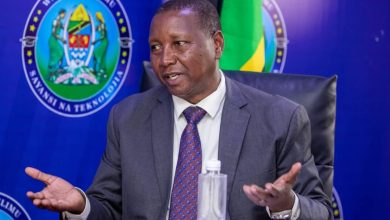
“We’re calling on families to be extra cautious when arranging for the return of deceased relatives from outside the country. Some of these bodies have been used to transport drugs, and even family members could be held accountable,” DCEA Commissioner General Aretas Lyimo stated during a press briefing in Dar es Salaam yesterday.
“We’ve taken this matter very seriously. We have established robust systems to ensure that no corpse entering Tanzania will be allowed in if it contains drugs,” Commissioner General Lyimo added.
He further disclosed that some traffickers not only tamper with skulls but also cut open the abdomen to remove internal organs such as the liver and spleen, replacing them with packets of narcotics before sewing the body back up.
The revelations came as Mr Lyimo briefed journalists on the outcomes of a major anti-narcotics operation conducted between May and July this year, in collaboration with other security agencies.
During the crackdown, a total of 37.2 tonnes of various narcotic substances were seized. The confiscated drugs included 11 tonnes of new psychoactive substances (NPS) known as Mitragyna Speciosa, 24.9 tonnes of cannabis, 1.3 tonnes of khat, 13.42 kilogrammes of skunk, 2.21 kilogrammes of heroin, and 1.42 grammes of methamphetamine.
Authorities also seized medical drugs with narcotic components, including 1.92 kilogrammes of ketamine, 1,000 Flunitrazepam (Rohypnol) tablets, and six litres of hydrochloric acid, a known precursor chemical. In addition, they destroyed 1,045.5 acres of cannabis plantations across the country.
In a separate case, 26 kilogrammes of heroin destined for Tanzania from Mozambique were intercepted. A total of 64 suspects were arrested in connection with the drug seizures.
Mr Lyimo said a major bust took place at an inland container depot in Temeke, Dar es Salaam, where 11 tonnes of Mitragyna Speciosa imported from Sri Lanka were found hidden in packages falsely labelled as fertiliser.
Mitragyna Speciosa, known in some regions as “Kratom,” contains the chemical compounds Mitragynine and 7-Hydroxymitragynine (7-HMG), which have both stimulant and depressant properties. The substances severely disrupt the nervous system, potentially leading to addiction and even sudden death.
In another operation at Posta area in Dar es Salaam, six suspects—among them two Chinese nationals, Chein Bai and Qixian Xin—were arrested while trafficking methamphetamine (1.42g), Rohypnol (1,000 tablets), and ketamine (1.92kg).
Further arrests were made at Sinza area, Dar es Salaam, where two individuals were caught operating an illegal factory producing biscuits laced with cannabis.
The biscuits were being distributed in Dar es Salaam, Mwanza, Lindi, and Mtwara. In Lindi Region, a mineral trader was also arrested for distributing similar drug-laced biscuits.
As part of the crackdown on farm-grown narcotics, a total of 26 tonnes of cannabis, khat, and skunk were seized, and 1,045.5 acres of cannabis farms were destroyed across Ruvuma, Mbeya, Mara, Kagera, Dodoma, Tabora, Morogoro, and Arusha regions.
Mr Lyimo expressed concern over a growing trend in which foreign nationals use Tanzanians to smuggle or distribute drugs.
The traffickers typically befriend locals and later involve them in their illegal operations, using vehicles such as motorcycles (bodaboda), tricycles (bajaji), taxis, and courier services to transport the substances under the guise of regular goods.
ALSO READ: Tanzania makes strides in war against drugs
The DCEA has called on the public to remain highly cautious, especially when asked to send or receive parcels from people they do not know well. Tanzanians must verify the contents of any goods they transport to avoid unwittingly becoming part of the drug trafficking network.
The Authority urged citizens to support the government’s fight against drug abuse and trafficking by reporting anyone suspected of involvement in the illegal trade. The goal is to make drug-related crimes a thing of the past in the country.