DITF fuels trade, creates 600,000 jobs since launch

DAR ES SALAAM: TANZANIA’s flagship trade exhibition, the Dar es Salaam International Trade Fair (DITF), has generated significant economic impact over the past 50 years, creating more than 600,000 jobs and attracting millions of visitors, underscoring its role as a key platform for trade, investment and economic diplomacy.
TanTrade Director General Dr Latifa Khamis said the fair has hosted participation from more than 54 countries, with cumulative international engagement exceeding 500 delegations over five decades, reinforcing Tanzania’s position as a regional commercial hub.
She said the exhibition has recorded more than 10 million visitors cumulatively, while facilitating thousands of business linkages and commercial transactions across multiple sectors.
Dr Khamis said the fair has also contributed to large-scale employment generation, with an estimated 600,000 jobs created since its inception, both directly and indirectly through exhibition-related economic activity.
She said this year’s edition is expected to attract more than 10,000 visitors daily, while generating over 1,000 new jobs linked to exhibition services, logistics and participating businesses.
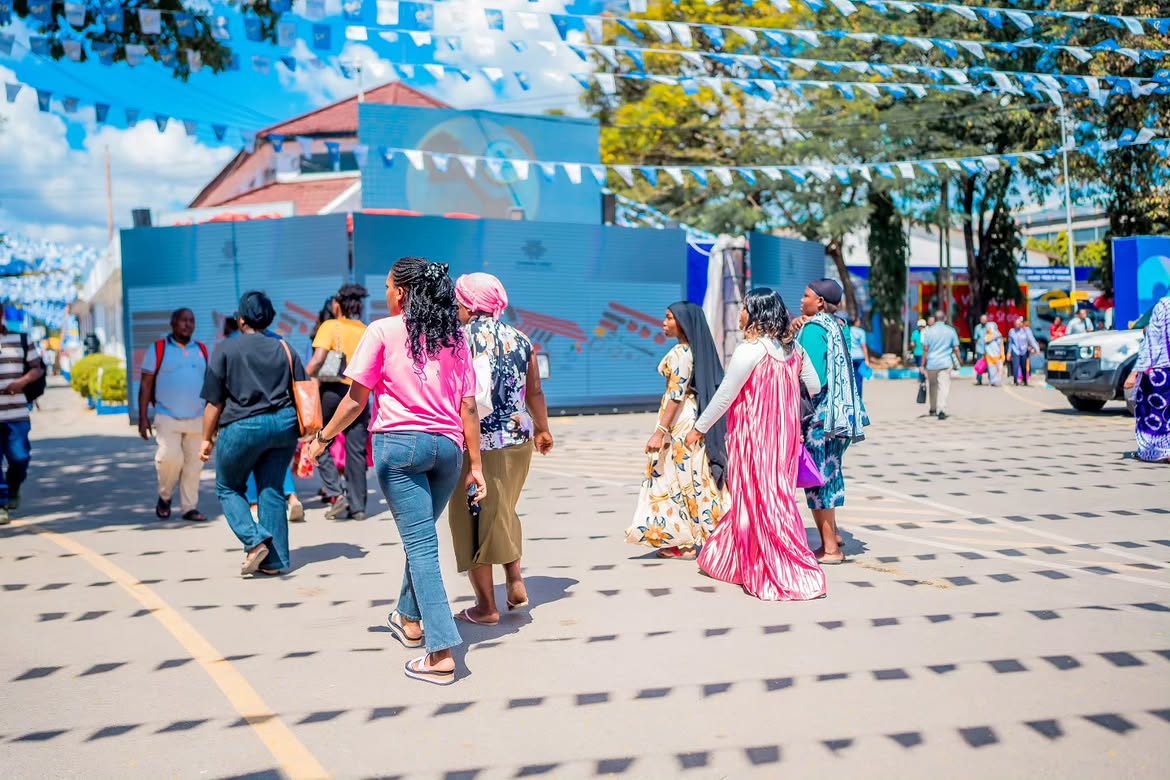
Projected business transactions and on-site deals are expected to reach an average of 17m/- per transaction category, with more than 52 new business opportunities already identified and over 4,800 business interactions recorded during the ongoing event.
“Exhibition continues to strengthen Tanzania’s role as a gateway for regional and international trade, with participation from countries including Kenya, Uganda, Rwanda, Burundi and China,” said Dr Khamis during the official opening of DITF on Friday.
She said Sabasaba has evolved into a strategic platform for economic diplomacy, linking domestic producers with regional and global markets while supporting industrialisation and export growth.
According to her, the fair also plays a growing role in national branding by promoting local products under a unified identity to improve global competitiveness.
She noted that increased digitalisation, including electronic ticketing systems introduced through private sector partnerships, has improved efficiency, reduced congestion and enhanced visitor experience.
Dr Khamis said collaboration with financial institutions and telecom companies has further strengthened service delivery and accessibility for exhibitors and visitors.
She added that youth and student participation programmes remain a key feature of the exhibition, supported by sponsors who provide uniforms, learning materials and logistical assistance to students, particularly from rural areas.
Dr Khamis said the government continues to support the private sector as part of broader efforts to strengthen industrialisation, expand trade and enhance private sector participation in economic growth.