Digital tracking curbs commuter bus misconducts
DAR ES SALAAM: A DIGITAL tracking system introduced by the Land Transport Regulatory Authority (LATRA) is beginning to curb long-standing complaints against Daladala operators, including route cutting and fare irregularities, as authorities tighten monitoring of commuter buses.
The Vehicle Tracking System (VTS), rolled out in April last year, enables LATRA to monitor bus movements in real time and verify whether operators adhere to their licensed routes.
LATRA says the system is already improving compliance among operators whose vehicles have been fitted with tracking devices, as drivers and conductors are aware that their movements can be reviewed even after completing journeys.
The development comes amid persistent complaints from commuters about buses terminating trips prematurely, overcharging passengers and failing to provide the balance remaining after the fare has been charged.
For instance, passengers travelling from Mwenge to Bunju have reported that some buses end their journeys at Tegeta before picking up new passengers heading to Bunju.
“After passengers going to Tegeta get off, the vehicle starts picking up others going to Bunju,” said Bunju resident Mr Simon Mlimi.
He also cited the problem of providing balance remaining after the fare has been charged, noting that passengers often pay more than the approved fare when conductors claim they have no smaller denominations.
Similar complaints have been raised on other routes, including Kigogo, Tandika, where commuters say some buses operate normally in the morning but shorten routes in the evening, forcing passengers to seek alternative transport.
On the Kisemvule-Gerezani route, some passengers allege that buses stop short at Gold Star, with fares rising to as much as 1,900/-, instead of the approved 1,200/-.
Such practices increase daily travel costs for commuters, particularly those already managing tight household budgets.
Against this backdrop, LATRA says the VTS is strengthening its oversight capacity.
So far, more than 203 Daladalas in Dar es Salaam have been fitted with the gadgets, with initial installations targeting vehicles identified as having significant compliance challenges.
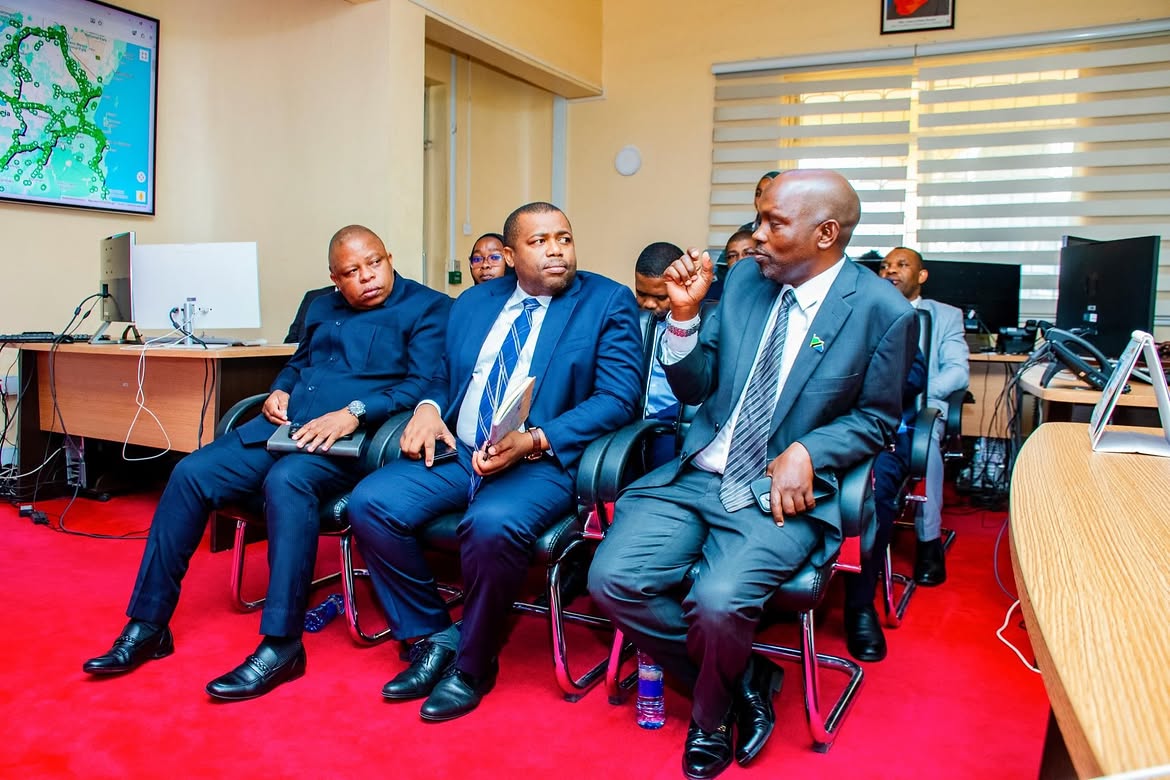
The system records routes, stops and direction changes, enabling regulators to reconstruct journeys and detect violations.
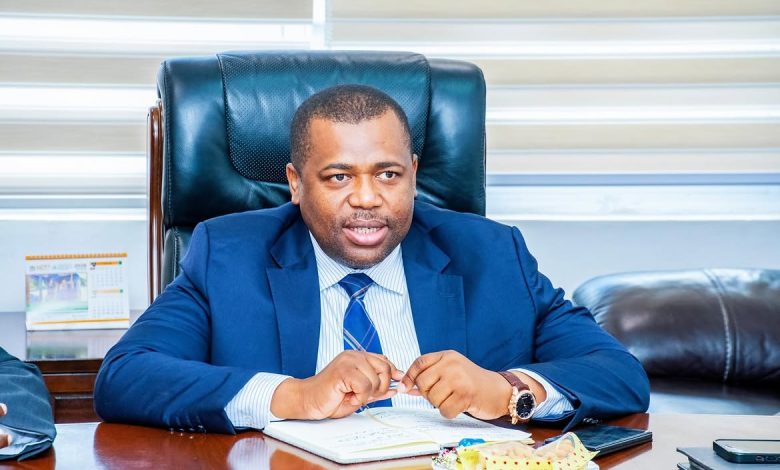
LATRA Head of Communications, Mr Salum Pazzy (pictured), said the authority operates a 24-hour monitoring centre where officials review the movement history of tracked vehicles.
“If a vehicle licensed to travel between two destinations turns back before reaching its approved endpoint, the system helps us establish what happened,” he said.
Mr Pazzy noted that the technology has enhanced accountability among operators, contributing to better adherence to regulations. However, he said the system does not automatically detect fare overcharging, urging passengers to report such incidents.
He encouraged commuters to provide evidence, including photographs or videos showing vehicle registration numbers and the nature of violations, to support investigations.
“Passengers have the right to be transported to their destination using the approved route after paying the correct fare,” he said.
He also urged commuters not to tolerate unlawful practices, noting that silence often enables continued misconduct.
LATRA said the VTS installation is being conducted in phases and has not yet set a timeline for full rollout across all urban commuter buses.