Date palm emerges as Tanzania’s next cash crop
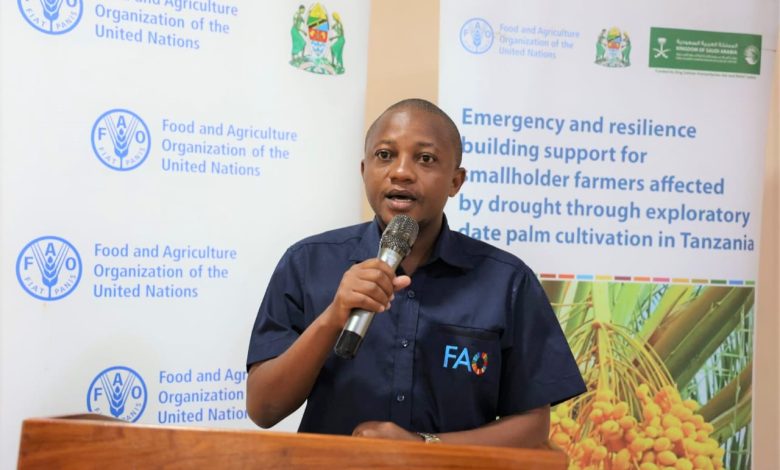
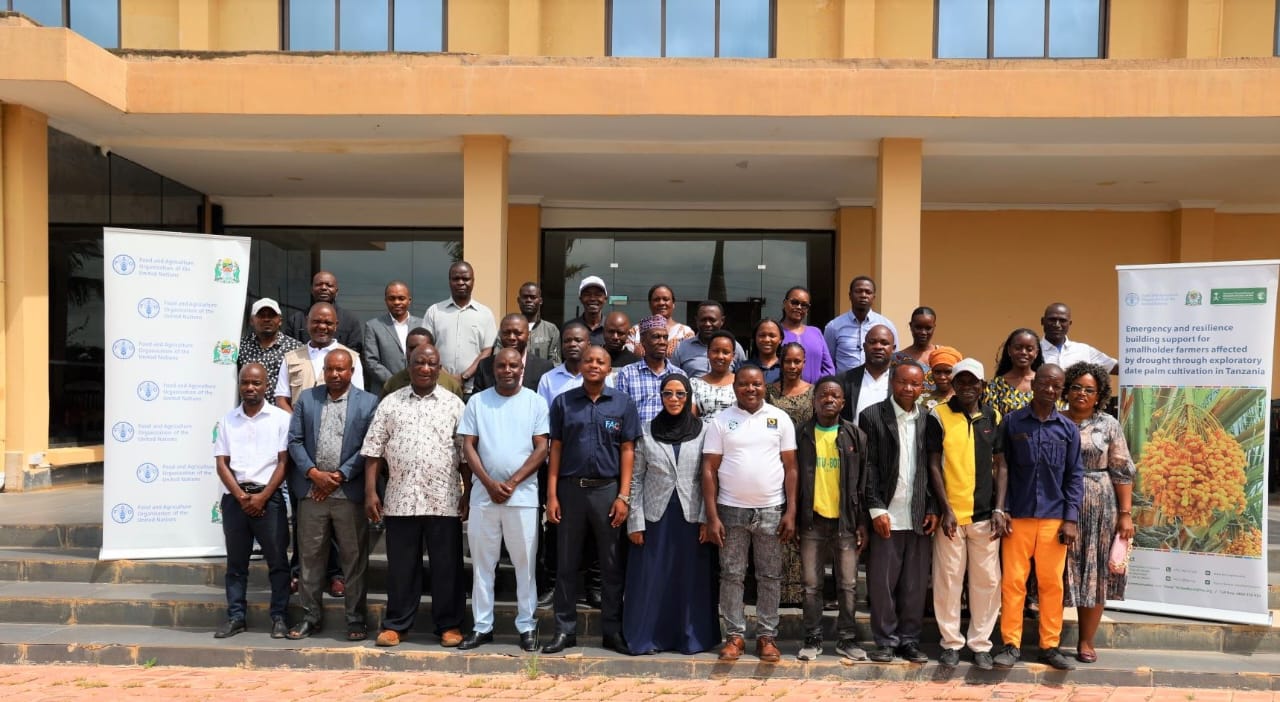
DODOMA: AS Tanzania intensifies efforts to transform date palm cultivation into a major commercial crop, stakeholders, including extension officers, researchers and farmers, recently convened in Dodoma for a three-day workshop aimed at strengthening knowledge exchange on sustainable date production.
The meeting, organised under a Food and Agriculture Organisation of the United Nations (FAO)-supported project, sought to harmonise practical skills and technical expertise across the value chain, from seedling production and irrigation to post-harvest handling, at a time when the country is positioning date palm as a future cash crop.
During the workshop, experts noted that the crop could play a pivotal role in narrowing the growing local and regional demand gap for dates, reducing heavy reliance on imports and building long-term climate resilience in East Africa.
Despite the crop’s global diversity, with more than 200 edible commercial varieties, Tanzania currently grows only uncharacterised landraces found in regions such as Dodoma, Tabora, Shinyanga and Singida, limiting full commercialisation. The projected economic benefits are significant.
Experts say premium dates fetch high prices on global markets, and establishing a domestic production chain could lift thousands of farmers from subsistence to profitable agribusiness.
World Bank data shows that in 2023, Tanzania imported 5.2 million kilogrammes of fresh or dried dates valued at 1.49 million US dollars (about 3.9bn/-), underscoring the country’s dependence on imports.
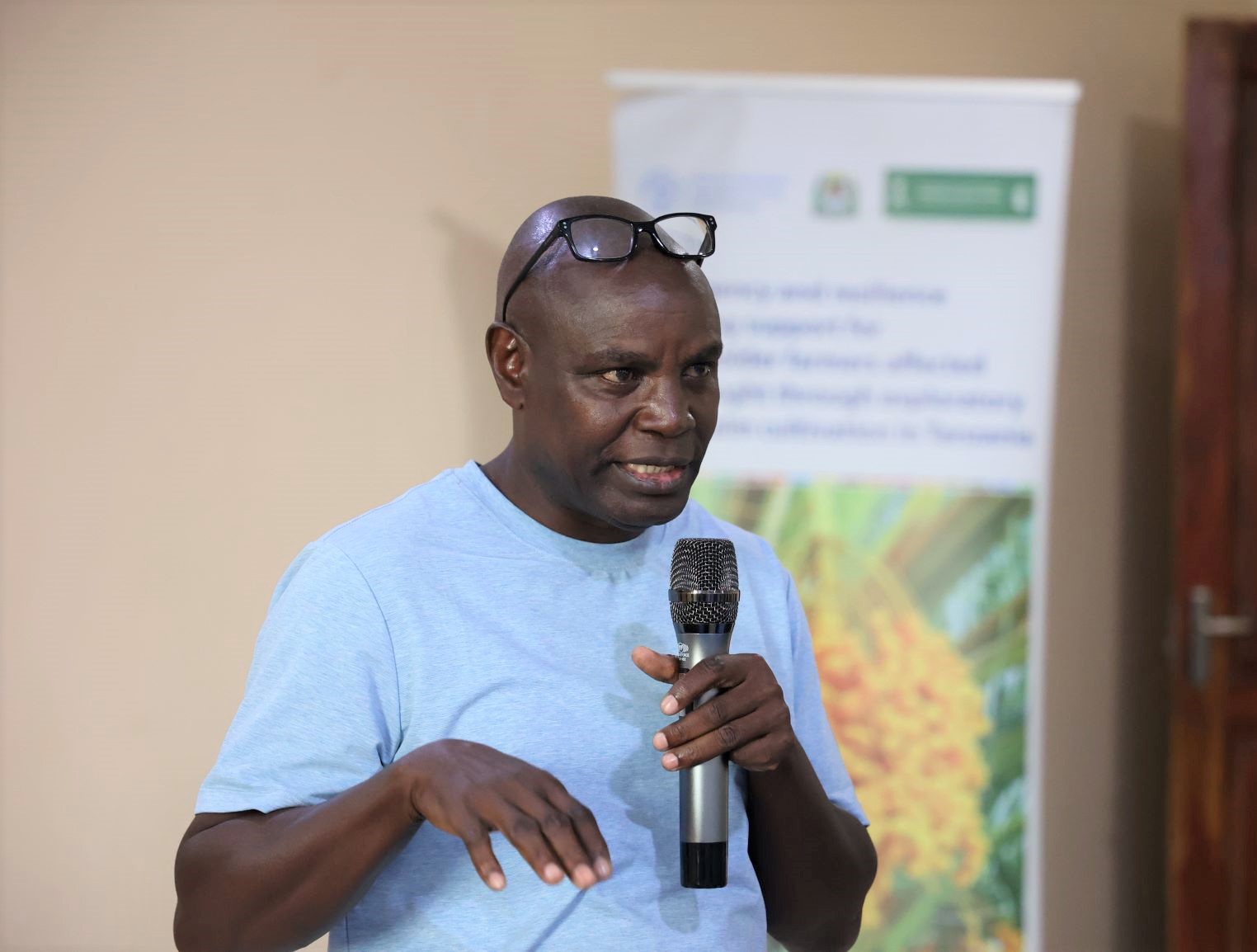
A feasibility study further indicates that if Tanzania cultivates just 0.5 per cent of its suitable land, with an estimated yield of 3.4 tonnes per hectare, the country could generate between 750 and 900 million US dollars annually from date production.
The FAO project, funded by the King Salman Humanitarian Aid and Relief Centre (KSrelief) of Saudi Arabia at a cost of 948,000 US dollars (about 2.46bn/-), is being implemented from February 2024 to March 2026.
So far, the initiative has provided technical training to 250 smallholder farmers and 20 extension officers, distributed 3,700 high-quality date seedlings and farm tools, and introduced tissue culture based seedling production in collaboration with the Tanzania Agricultural Research Institute (TARI).
ALSO READ: Oil palm, sunflower cultivation gets push in Kagera
FAO Project Manager, Mr Fadhili Mtengele said farmers’ response has been encouraging, noting a growing readiness to embrace date cultivation as a commercial venture rather than relying on naturally regenerating trees.
“This investment supports the exploratory phase of commercial date cultivation, including procurement of seedlings, farmer training and establishment of key infrastructure such as screen houses and tractors,” he said.
The project has introduced high-value, drought-tolerant varieties, including Barhi, Medjool and Ghannami, which are currently being tested in demonstration plots in Dodoma.
FAO Technical Specialist, Ms Tabu Likoko, urged the country to seize the opportunity, warning that continued reliance on imported dates leads to unnecessary foreign exchange losses.
“This is a highly profitable crop. In regions without major commercial crops, date palm can thrive and transform incomes. We have every reason to invest,” she said, citing feasibility findings that show strong economic viability, including a favourable cost–benefit ratio, positive net present value and a payback period of about five years.
TARI Mlingano researcher and National Project Coordinator, Dr Nicholaus Kuboja, said the workshop has helped bridge scientific knowledge with farmers’ practical experience.
“While we brought technical expertise, farmers have shared insights and practices we had not anticipated. Their enthusiasm since the project began has been remarkable,” he said.
Dr Amani Daniel, a date farmer from Mvumi in Chamwino District, said he began expanding his fields even before government sensitisation campaigns after observing early signs of success.
He noted that the date palm is one of the few crops where nearly every part of the tree has economic value, making it a promising long-term investment.
“At Mvumi, we grow grapes, but I am significantly increasing my investment in date palms. I have seen the results, this crop will be gold in the coming years,” he said.
Stakeholders agree that with the right investment, date farming could emerge as one of Tanzania’s most profitable and climate-resilient crops, driving food security, export earnings and rural transformation.