Dar bridges African, Russian women in nuclear
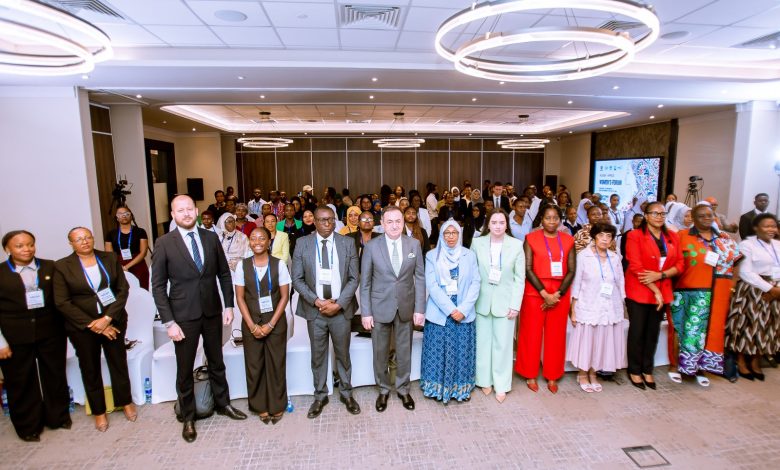
DAR ES SALAAM: Tanzania’s business hub, Dar es Salaam, hosted the first Russia-Africa Women’s Forum on nuclear energy, co-organized by Rosatom Women’s Community and Women in Nuclear Tanzania (WiN Tanzania).
Experts from eight countries, representing leading women’s professional communities in the nuclear industry in Uganda, Tanzania, the Democratic Republic of the Congo, Ethiopia, South Africa, Egypt, Zambia and Russia, identified promising areas for international technological cooperation and the development of women’s professional opportunities in the nuclear and related industries.
On October 22, the Russia-Africa Women’s Forum, “Dialogue of Continents: Nuclear Energy for the Future,” took place in Dar es Salaam, United Republic of Tanzania. The Forum brought together representatives of more than 25 organizations, including government agencies, industrial companies, medical and educational institutions, public associations and nonprofit organizations. The event was organized by WiN Tanzania and the Rosatom Women’s Community with the support of the Tanzania Atomic Energy Commission, WiN Africa, Rosatom State Corporation and other partners.
Participants included representatives of Rosatom State Corporation, the Tanzania Atomic Energy Commission, the Atomic Energy Council of Uganda, the Radiation Protection Authority of Zambia, leading medical institutions such as the Ocean Road Cancer Institute, Kilimanjaro Christian Medical Centre and Muhimbili National Hospital, as well as universities from Russia and Tanzania. The international professional community was represented by the Rosatom Women’s Community, WiN Africa and national Women in Nuclear chapters from African countries. Schoolgirls from Chang’ombe Secondary School were the Forum’s youngest participants.
Across four thematic sessions, experts discussed women’s role in the development of nuclear energy, nuclear medicine and mining, workforce training, and encouraging girls to pursue STEM disciplines (science, technology, engineering and mathematics).
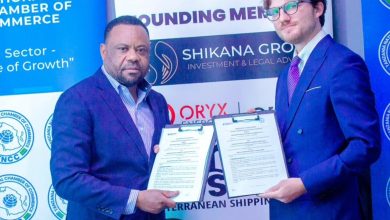
A key outcome of the Forum was the signing of international memoranda of cooperation between women’s professional communities from African countries and Russia. The parties agreed to develop international mentoring, exchange professional experience, support young professionals, promote nuclear education, train the next generation of engineers and advance women’s leadership. A cooperation roadmap for 2026–2028 was also signed with WiN Africa, which brings together professional communities from more than 22 countries across the continent.
Rosatom State Corporation has established a comprehensive system to support women in industry and technology, bringing together professional development, mentoring, leadership training and international cooperation programs.
“Our goal is to turn the exchange of expertise into practical projects that open up new professional opportunities for women and enable nuclear technologies to improve people’s quality of life,” marked Deputy Director General for Human Resources at Rosatom State Corporation Tatiana Terentyeva.
“For us, cooperation with Africa is a major, systematic effort. Today, our projects and initiatives reach 20 countries across the continent. During preparations for the Forum alone, we held six international video meetings with professional communities from Zambia, South Africa, Ethiopia, the Democratic Republic of the Congo, Rwanda and Uganda. Our next step is to develop joint mentoring programs, exchange expertise and create new opportunities for women to build their careers in the nuclear industry and other high-tech fields,” highlighted Head of the Rosatom Women’s Community and Member of the Council of the Eurasian Women’s Forum Aleksandra Ryabykh.
“For us, it is especially important to encourage girls and young women to study science, engineering and nuclear technologies. International cooperation opens up new opportunities to share knowledge, train specialists and develop national expertise. During the session on workforce development, we heard voices from several generations, from university leaders to a schoolgirl who has already visited the North Pole. I am confident that the agreements reached today will lay the foundation for new joint projects between women from Russia and Africa,” mentioned Director General of the Tanzania Atomic Energy Commission and President of WiN Tanzania Najat Kassim Mohamed.
WiN Tanzania, a professional network established with the support of the Tanzania Atomic Energy Commission, now brings together 160 women from different professional backgrounds. According to Najat Kassim Mohamed, Tanzania is working toward universal access to electricity by 2030, exploring the potential use of nuclear energy and expanding nuclear medicine, radiation technology and scientific research. These developments are increasing demand for engineers, physicists, researchers and specialists in radiation safety and nuclear technology.
She also highlighted the Mkuju River uranium project, implemented by Mantra Tanzania, a company of Rosatom’s Uranium One Group, as one of the country’s priorities for the socio-economic and technological development of Tanzania’s southeastern region.
The Forum participants were welcomed by Chair of the Council of the Eurasian Women’s Forum under the Federation Council of the Federal Assembly of the Russian Federation Galina Karelova; Ambassador Extraordinary and Plenipotentiary of the Russian Federation to the United Republic of Tanzania Andrey Avetisyan; Director of Special Projects at Rosatom Central and Southern Africa and Coordinator of the BRICS Nuclear Energy Platform Elsie Pule; Assistant Director for Science and Technology at the Ministry of Education, Science and Technology of the United Republic of Tanzania Dr. Haroun Makandi and other experts.