CNG attracts more motorists as global fuel prices bite
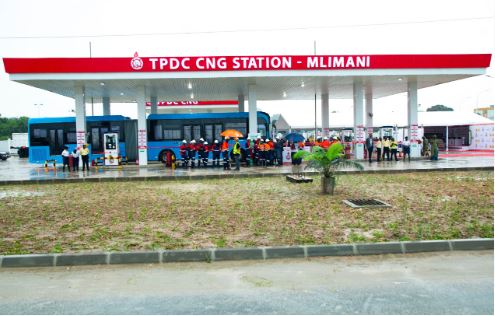
DODOMA: ONGOING instability in the Middle East continues to disrupt the global fuel supply chain, prompting more Tanzanian motorists to turn to Compressed Natural Gas (CNG), with the number of vehicles using the fuel quadrupling to more than 20,000 in just three years.
Speaking exclusively to the Daily News in Dodoma recently, Tanzania Petroleum Development Corporation (TPDC) Executive Director Mussa Makame said the number of CNG-powered vehicles had risen from about 5,000 three years ago to more than 20,000 currently.
He attributed the increase partly to rising fuel prices since 2023, following the Russia-Ukraine war and, more recently, renewed conflict involving Israel, the United States and Iran.
He said the developments had encouraged motorists, particularly car and auto rickshaw (commonly known as Bajaji or tuk-tuk) owners, to seek cheaper alternatives to petrol and diesel.
“Three years ago, the statistics we had showed that there were about 5,000 vehicles. Now, the number has exceeded 20,000. So, the number has increased nearly fourfold, and more people continue to shift to the use of natural gas as a source of energy,” he said.
Mr Makame said the growth in CNG use had been accompanied by a rapid expansion of refuelling infrastructure.
Three years ago, Tanzania had only about three operational CNG stations, but the number has since increased to approximately 15, with three additional stations at various stages of completion.
“This means that by the end of 2026, Tanzania will have a total of 18 CNG stations,” he said.
He said TPDC planned to extend CNG services to more regions, including Mwanza, Dodoma, Tanga, Kilimanjaro and Arusha, during the first phase of expansion next year, before extending the service across the country within the subsequent two years. For some motorists, the shift to CNG has provided relief from rising fuel costs.
Mr Henry Swai, a specialhire driver in Dar es Salaam, said declining income caused by higher fuel prices prompted him to convince his employer to convert his vehicle to CNG.
ALSO READ: CNG cools diesel and petrol inflation rates in Tanzania
He said the lower cost of CNG had improved his earnings and made the business more sustainable.
“If he had refused, I was planning to quit the business because I was just working for the car and the boss. I was not earning anything. Now I am comfortable and my income is stable,” he said.
Ms Amina Issa, an employee of a private company in Dar es Salaam, said she travels between 25 and 30 kilometres from home to work each day.
She said she spends about 40,000/- a week on CNG, compared with more than 130,000/- she estimates she would spend if the vehicle used petrol.
Meanwhile, Tanzania is also advancing major investments in the natural gas sector, including the long-awaited Liquefied Natural Gas (LNG) project.
Mr Makame said the 42-billion-US-dollar project had entered its final legal stage after the government and investors concluded negotiations on key commercial, tax and revenue-sharing issues.
The project, planned for Likong’o in Lindi Region, is expected to move to implementation during the current financial year once the remaining legal processes are completed.
Briefing reporters in Dodoma on TPDC’s performance during the 2025/26 financial year and projects for the current financial year, Mr Makame said the government negotiating team had concluded discussions with international energy companies on key commercial matters.
He said the remaining legal procedures would pave the way for the agreements to be submitted to the government and Parliament in accordance with relevant legislation.
The developments underline Tanzania’s growing reliance on its natural gas resources, both as an alternative fuel for motorists and as a strategic component of the country’s broader energy and investment ambitions.