CMA calls on domestic workers to learn labour laws in a bid to avoid disputes.

DAR ES SALAAM: EMPLOYEES across Tanzania have been urged to strictly adhere to labour laws, regulations and procedures from the beginning to the end of employment, particularly for domestic workers, in a bid to prevent unnecessary disputes.
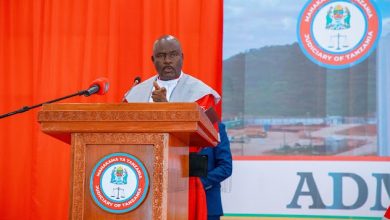
The call was made by the Director of the Commission for Mediation and Arbitration (CMA), Usekelege Mpulla, who stressed that Tanzania’s labour laws do not discriminate against any category of workers, including domestic employees.
“Every worker has equal legal protection regardless of the nature of their job,” he said.
Speaking yesterday in Dar es Salaam during the opening of a training session for about 50 employers and domestic workers from various regions, organised by the International Labour Organization (ILO), Mr Mpulla said employers must recognise and value the contribution of domestic workers to household welfare and productivity.
He noted that for domestic workers, the household is their workplace, making it essential for employers to provide a conducive working environment, uphold dignity and ensure that all basic needs are met.
Mr Mpulla emphasised that domestic workers have the right to file complaints with the CMA if they are denied their rights, even as efforts continue to ratify ILO Convention No. 189 aimed at improving working conditions in the sector.
“Even before the ratification of this convention, national laws already guarantee protection for domestic workers without discrimination,” he said.
He further urged employers to issue written employment contracts from the outset, noting that the minimum wage for a live-in domestic worker is 80,000/-.
According to him, written contracts are crucial as they clearly outline employment terms, align with legal requirements and help both parties avoid disputes.
He warned that the absence of contracts can place employers at risk when disputes are lodged at the CMA, especially in cases involving disagreements over duration of employment or wage claims.
“For instance, an employee may claim to have worked for 10 years when in fact it was only two. Without a contract, it becomes difficult for the employer to prove otherwise,” he explained.
Mr Mpulla added that contracts foster good working relationships, promote dignity and eliminate perceptions of abuse, while also providing clear guidance on lawful termination procedures, including the requirement of a one-month notice.
ALSO READ: NHIF requests a revision of the health insurance service guidelines
He cautioned that informal employment arrangements are more likely to collapse and create challenges for both parties compared to formal, legally grounded agreements.
“Employers must follow formal employment procedures to safeguard both the workers’ interests and their own,” he insisted.
On her part, ILO Director Caroline Mugala said domestic workers play a vital role in society by supporting families, enabling participation in the labour market and contributing to socio-economic development.
However, she noted that the sector remains largely informal, with many people lacking full awareness of their rights and obligations despite existing legal frameworks.
“There is a need to strengthen employers’ roles in building good labour relations, which require mutual understanding, participation and empowerment of both parties,” she said.
She also encouraged employers to join associations to build a strong and recognised community that can help prevent disputes, foster trust and promote decent work.
Meanwhile, Chief Labour Officer from the Prime Minister’s Office (Labour, Employment and Industrial Relations), Emiliana Rweyemele, said domestic workers are equal to other employees and deserve the same rights.
She described the domestic work sector as unique and essential, noting that it enables employers to fulfil their responsibilities and achieve socio-economic success.
According to her, domestic workers account for about 23.5 per cent of the workforce, with women and youth forming the majority in the sector.
However, she pointed out that some employers still face challenges due to limited knowledge of legal frameworks, contracts and employment agreements governing domestic work.
Labour law expert Judith Robert from the Association of Tanzania Employers (ATE) said employers have the capacity to create better working conditions despite existing challenges.
“Employers must understand their rights, responsibilities and legal obligations when dealing with workplace challenges,” she stressed.
ALSO READ: Tanzania embarks on diplomatic efforts to attract Brazilian investors
Additionally, Head of Legal Department from the Conservation, Hotels, Domestic and Allied Workers Union (CHODAWU), Asteria Gerald, said the training aims to help employers recognise the importance of domestic workers and understand their responsibilities at the workplace.
“We want to change the negative perception that domestic workers are thieves, criminals or troublemakers. Through this training, we believe employers will leave with a new perspective that will improve relationships in their homes,” she said.
A domestic worker, Desdelia Haule, commended the ILO for bringing together employers and workers for the training, saying it has helped improve understanding of workers’ rights and welfare.
“I am grateful that my employer attended this session. They have learned a lot and now better understand our rights and well-being. This is a big step forward for us,” she said.